























Ted Tv Series Season 2 Raises Cost and Creative Questions That Could Stall a Season 3

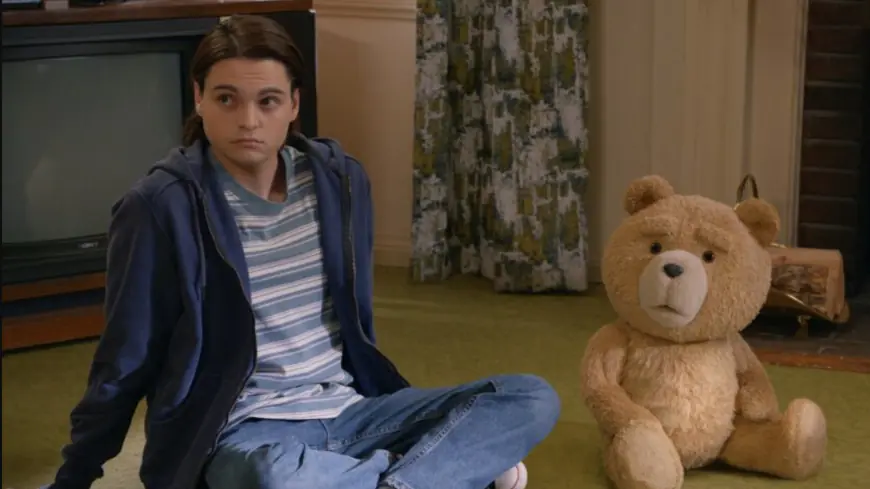
The Ted Tv Series matters right now because its second season's production choices—expensive visual effects and an AI-assisted cameo—have immediate consequences for whether the show continues. The streamer released season 2 recently, and the creator has signaled there is currently no plan for a third season, citing cost and production constraints that shift how the show can be made going forward.
What season 2’s spending and tools mean for the future of the Ted Tv Series
The biggest consequence of season 2 is financial pressure. The series leans heavily on a fully realized, leading teddy-bear character whose on-screen presence requires intensive visual work. That work drives up costs to the point where producers conclude there is no feasible way to make additional episodes more cheaply, and that reality shapes renewal conversations before any formal decision is made.
Here's the part that matters: choices about effects aren’t just aesthetic—they affect budgets, scheduling and whether a next season is practical. The creative team is aware of the constraint and has contingency plans for different outcomes, but the economics are now a central variable in the show's trajectory.
Ted Tv Series season 2 specifics and the cameo that crystallized the debate
Season 2 continues the prequel setup that reimagines the titular teddy bear’s earlier years, keeping the character’s raucous, adult-flavored persona at the center. The live-action prequel pairs the bear with John, who is played by Max Burkholder, and leans into the same crude, boundary-pushing tone described in recent coverage.
One production choice became emblematic: in the fifth episode, the creator performs as an ex-president character using his vocal impersonation combined with an AI-assisted visual technique. The team experimented with traditional CGI but found it distracting and ultimately opted for the AI method to keep focus on the writing and comedy. That decision underscores both the creative opportunities and the operational risks of relying on newer visual tools.
- Season 2 release: the season began streaming on the service in early March.
- High-cost character work: the teddy-bear lead requires intensive VFX to function as a believable lead.
- AI in practice: an AI-assisted visual approach was used for a notable cameo after traditional CGI felt distracting.
- Renewal status: the creator has said there is currently no plan to move forward with a third season, citing the expense.
It's easy to overlook, but the showrunners have a plan for different eventualities—suggesting the team expected this balancing act between ambition and budget to become a defining factor.
The real question now is whether the series can recalibrate: reduce per-episode spend, alter how the central character is presented, or accept a limited run. Each path has creative trade-offs—scaling back effects could change the comedic rhythm; maintaining them keeps the tone but tightens renewal odds.
- Key takeaway: The Ted Tv Series demonstrates how flagship character effects can create a show’s identity while making future seasons financially fraught.
- Key takeaway: Experimentation with AI solved a short-term aesthetic problem but also highlighted a longer-term reliance on costly tools.
- Key takeaway: Creators have contingency plans, but current budget realities mean a third season is not planned at the moment.
- Key takeaway: For viewers, the result is a season that maintains the character’s notorious tone while raising real questions about sustainability.
Micro timeline: Season 2 began streaming in early March; an AI-assisted cameo appears in episode five; the creator indicates no plan for season three at the moment. This sequence frames the near-term narrative for the show’s future.
The article draws only from recent coverage and public comments; details and decisions could evolve as the creative team and the streaming service assess options.