
























Middle East Conflict Sends Canadian Gas Prices Soaring

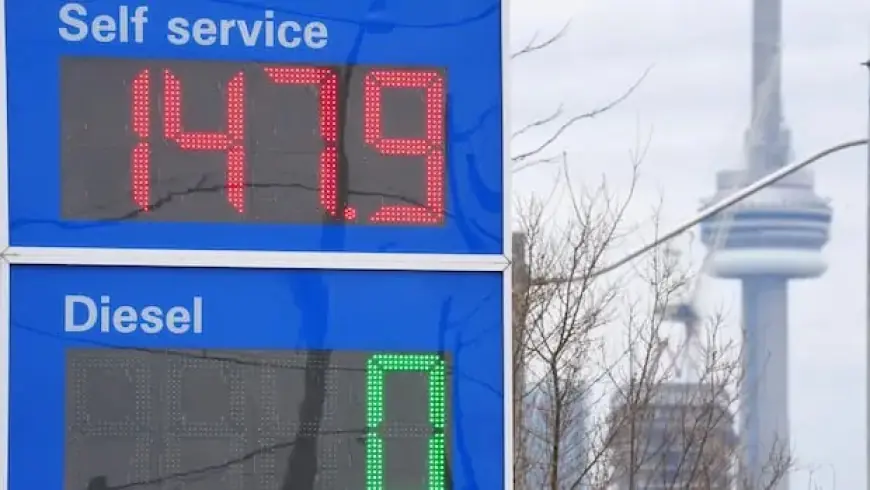
Recent events in the Middle East have significantly impacted Canadian fuel prices, resulting in sharp increases across the country. As of Friday evening, the national average price for gasoline reached 150 cents per litre, reflecting a rise of nearly 20 cents from 133.4 cents per litre the previous week.
Soaring Gas Prices: Regional Breakdown
Among the provinces, British Columbia reported the highest gas prices, averaging 168.6 cents per litre. Other regions, like New Brunswick, observed prices climbing rapidly, with regular fuel now around 145 cents per litre.
- British Columbia: 168.6 cents per litre
- National Average: 150 cents per litre
- New Brunswick: 145 cents per litre
Impact of the Middle East Conflict
The surge in prices follows military actions involving Israel and the United States against Iran. This conflict has led to retaliatory strikes from Iran, resulting in widespread casualties and a mounting humanitarian crisis. Additionally, tensions have disrupted oil tanker traffic in the Strait of Hormuz, a vital shipping route for global oil supply.
Benchmark crude oil prices in the U.S. have also risen, surpassing $90 per barrel for the first time since October 2023, marking a two-year high.
Market Insights and Consumer Reactions
Despite the rising prices, experts suggest there will be no immediate supply disruptions in Canada or the United States, where oil production is sufficient. GasBuddy analyst Matt McClain noted that Canadians might face higher prices, potentially affecting their budgets.
Consumers are already feeling the financial strain. Amy Gooding, a driver in the Greater Toronto Area, expressed concerns about how rising fuel costs could impact her household. Similarly, Bailey Jones from Saint John, New Brunswick, acknowledged that although she anticipated the price increase, there is little consumers can do.
Expectations for Future Prices
Industry experts predict that elevated gas prices may persist for an extended period. Warren Mabee, director at Queen’s University’s Institute for Energy and Environmental Policy, indicated that even if the conflict resolves quickly, the repercussions on fuel prices could last several months. Prices might stabilize but are expected to remain 5 to 10 percent higher than pre-conflict levels.
As Canadians prepare for these ongoing changes at the pump, it remains crucial to stay informed about market trends and geopolitical developments in the Middle East.