
























Poll Reveals Most Americans Oppose Military Action in Iran

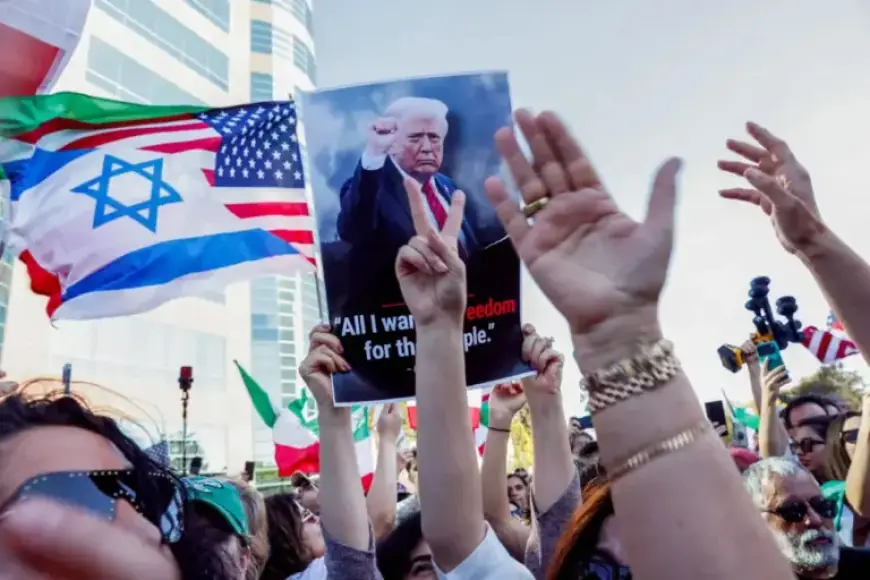
Recent polling from PBS News, NPR, and Marist reveals significant dissent among Americans regarding military action in Iran. The survey shows that 56% of respondents oppose U.S. military engagement, while only 44% support it. This disapproval reflects a broader skepticism about President Donald Trump’s management of U.S.-Iran relations.
Key Findings from the Poll
- Opposition to Military Action: 56% oppose military action in Iran.
- Support for Military Action: 44% support U.S. intervention.
- Disapproval of Trump’s Leadership: 54% disapprove of Trump’s handling of Iran.
Background of the Conflict
The poll was conducted in the aftermath of a deadly Iranian drone strike targeting a U.S. command center, which resulted in the deaths of six American soldiers. This escalation marks a significant period in the ongoing U.S.-Iran tensions, which saw a notable increase after the targeted drone strike that killed Qasem Soleimani, the commander of Iran’s Quds Force, in January 2020.
Public Perception of Iran’s Threat Level
While the majority of Americans oppose military action, perceptions of Iran’s threat vary. Approximately 44% view Iran as a major threat to U.S. security, a decline from 48% last year. Additionally:
- 40% consider Iran a minor threat.
- 15% believe Iran poses no threat at all.
Political Partisanship in Opinions
Opinions on the conflict are deeply divided along party lines. A significant majority of Republicans support Trump’s actions, with 79% backing his approach and 84% endorsing military strikes. In contrast, 86% of Democrats oppose both the president’s strategy and military involvement.
Current Status of Military Operations
As the conflict unfolds, Trump’s justifications for military action have been varied, including regime change and preventing the threat of a nuclear-capable Iran. Experts disagree on the effectiveness of the military operation, with some asserting that it effectively limits Iran’s capabilities, while others criticize the lack of a clear strategic vision.
Future Implications
The outcome of the military operation could influence future public opinion. The White House has indicated that the operation may conclude within four to six weeks, though internal memos suggest it could last longer. Analysts suggest that success in stabilizing the region could shift public sentiment in favor of the operation.
This recent polling highlights a complex landscape of public opinion regarding military action in Iran, revealing a significant opposition amid a polarized political climate. As the situation develops, the American public’s views will likely evolve based on the effectiveness and consequences of U.S. actions in the region. For further insights and updates, visit Filmogaz.com.