
























Investors Embrace Shock-Absorber Trades Amid Iran Conflict’s Economic Uncertainty

The ongoing conflict in the Middle East has prompted investors to rely on certain trades that are proving to be resilient amid economic uncertainty. As the situation escalates, traditional indicators of market stress remain relatively contained, allowing for a measured approach to investment strategies.
Market Stability Amid Conflict
Since the onset of the Middle East war, the U.S. dollar has emerged as a safe haven, issuing a strong performance with a 1.7% gain. Despite soaring oil prices and growing concerns of an oil crisis reminiscent of 2022, market reactions have been muted compared to previous geopolitical events.
Indicators of Investor Sentiment
Various market indicators suggest a lack of immediate panic. Traditional stress metrics, such as corporate bond spreads and the VIX volatility index, have not escalated significantly. This indicates that investors largely believe the conflict will be resolved in a timely manner.
- The VIX index, a measure of equity volatility, remains below alarming thresholds, hovering above 20.
- Corporate bond spreads have stayed stable, reflecting ongoing confidence in the market.
- Investment in physical assets like gold, which has appreciated 70% over the year, remains popular.
Crowded Trades as Financial Shock Absorbers
According to the latest Bank of America survey, up to 50% of global fund managers regard gold as one of the most crowded trades today. Other popular investments include Big Tech stocks and emerging-market assets, which are also drawing significant capital.
Despite recent declines in these assets, a major sell-off has yet to occur. Many investment strategies continue to focus on these trusted assets to mitigate risks in an unpredictable financial climate.
Energy Market Risks
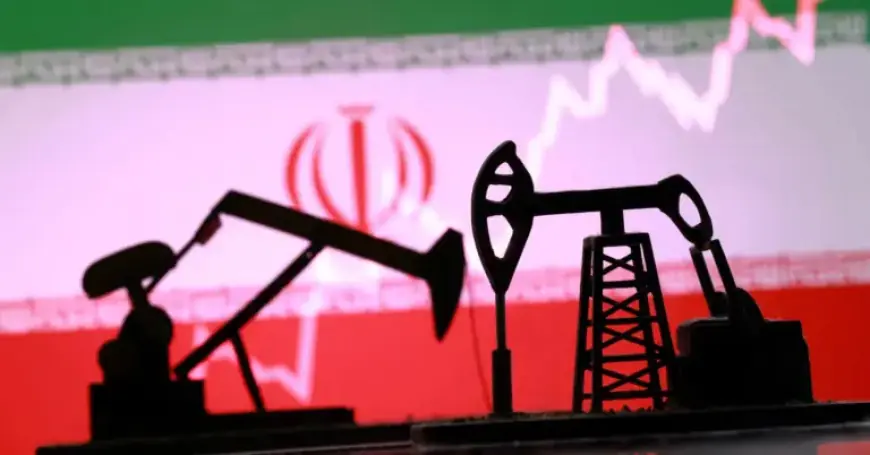
Rising oil prices, which surged over 20% in a week—the most significant increase in four years—have raised concerns among investors. The potential for oil prices to surpass $100 per barrel adds to the already complex landscape of financial stability risks.
- Central bankers and regulators have flagged multiple vulnerabilities, including excess borrowing by hedge funds.
- Concerns about a potential AI bubble and risks in private credit markets are also prevalent.
Investment Strategy Going Forward
Investment experts advise caution as inflation risks start to emerge due to resilient global growth. Despite oil nearing $90 a barrel, many believe inflation-linked bonds are a better choice than nominal ones.
As uncertainty persists, investors are increasingly uncertain about their next moves. The conflict in Iran has caused a shift in thinking, with many reassessing their investment strategies in light of geopolitical risks.
For now, the financial landscape remains complex, with investors seeking stability amidst turmoil. Strategic adherence to historically reliable trades will likely continue to shape investment portfolios in the face of ongoing economic challenges.