

























Iran’s Gulf Strikes Rattle Energy Markets, Stoking Recession Fears

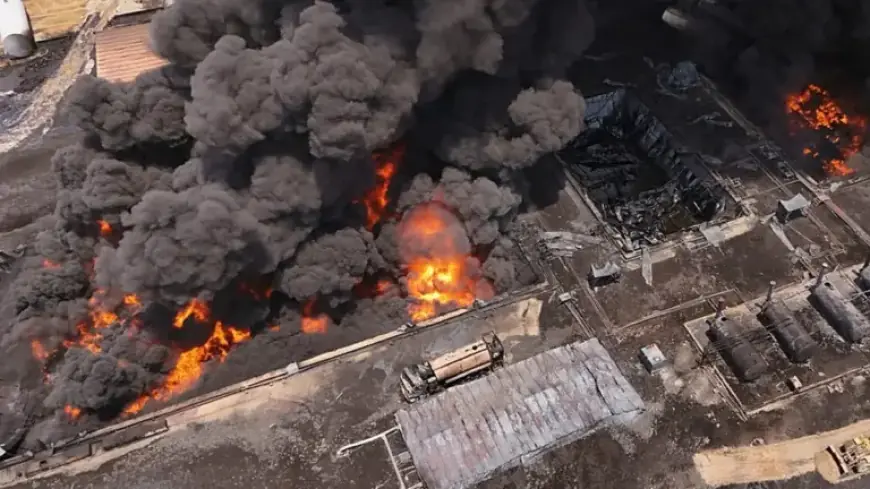
As tensions escalate in the Gulf region following the outbreak of war, Iran’s military actions have significantly influenced global energy markets, raising concerns over a potential recession. Iranian strikes have particularly targeted critical energy infrastructures and shipping routes, causing widespread disruptions.
Impact of Iran’s Gulf Strikes on Energy Markets
Since the conflict reignited on Saturday, Iran has consistently expanded its military presence across the Gulf. Recent attacks have included drone strikes and missile fire that, while claimed to primarily target US and Israeli interests, have notably impacted oil and gas facilities crucial to the global economy.
- Tehran’s attacks on infrastructure have extended to:
- Major energy hubs in Qatar and Saudi Arabia.
- Shipping lanes in the Strait of Hormuz, affecting over 20% of the world’s oil supply.
Strait of Hormuz: A Crucial Chokepoint
The Strait of Hormuz is a vital corridor for oil transport. Currently, over 200 vessels are stranded due to Iranian military actions. This disruption raises alarm as these shipping lanes play a key role in stabilizing global energy demands.
Consequences for Global LNG Production
Qatar, a major supplier of liquefied natural gas (LNG), halted production at its top LNG facility following drone strikes in the Mesaieed and Ras Laffan areas. Qatar’s output accounts for approximately 20% of global LNG supply, crucial for Asian and European markets. This cessation could have far-reaching effects on energy availability and pricing.
Geopolitical Tensions and Economic Implications
The impact of these strikes is not limited to one region. Key oil refineries in Saudi Arabia and production facilities in Iraq were also affected, leading to decreased outputs. The global energy market is reeling from increased prices and potential shortages.
Saad al-Kaabi, Qatar’s Energy Minister, expressed worries about the broader economic consequences, stating that continued conflict could negatively affect GDP growth worldwide and lead to energy price surges. “If this war continues for a few more weeks, there will be product shortages and supply chain interruptions,” he stated.
Analysts’ Views on Future Economic Conditions
Experts warn that if Iran maintains its military campaign, the possibility of a global recession becomes more pronounced. Dr. Yousef Alshammari from the London College of Energy Economics pointed out that a blockade of the Strait of Hormuz could exacerbate these fears.
Compounding this issue, analysts have noted that while gas prices have already spiked by over 50% in Europe, oil price rises have been somewhat limited due to low demand and sustained supply levels.
Unpredictable Military Strategy
Recent military actions, such as the attack on Azerbaijan, have raised questions about Iran’s strategic objectives. Former US ambassador Matthew Bryza emphasized that these strikes do not align with a coherent military plan, particularly given Azerbaijan’s cooperation with Iran during the ongoing conflict.
Overall, these developments if unaddressed, can lead to escalating tensions in the Gulf, affecting global markets and potentially leading to wider geopolitical ramifications.