
























Estoques of weapons strain as Gulf states await US interceptors

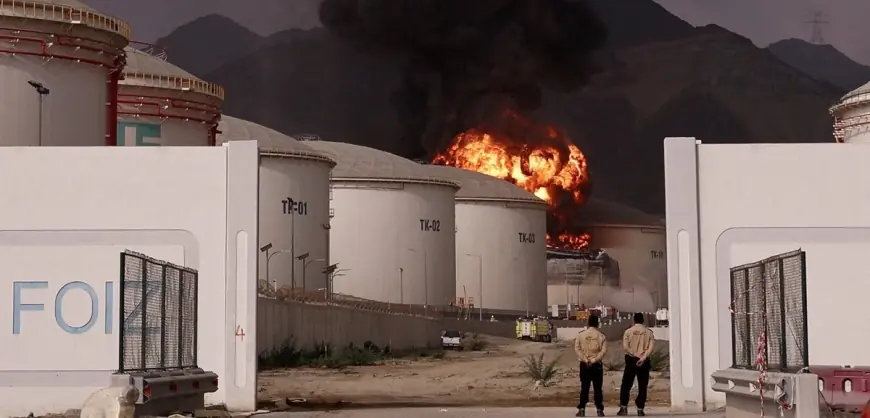
President Donald Trump has said the United States possesses "a practically unlimited stock" of essential weapons, a claim that comes as Gulf countries await U. S. interceptors while intense strikes and counterstrikes consume munitions and reshape operations on the ground. The question of dwindling estoques has moved from background logistics to a strategic constraint for both sides.
Estoques and the race for interceptors
Countries in the Gulf are pressing U. S. military planners for interceptors to protect against sustained barrages of missiles and swarms of drones, and one immediate sign of demand is a large weapons purchase request: the U. S. Department of State notified a request for 12, 000 BLU-110A/B general-purpose bombs, each weighing 1, 000 pounds. That request sits alongside wider efforts to secure defensive interceptors as Iran-linked launches and aerial strikes have made air defenses and missile stocks a central concern.
How the battles have consumed missiles and drones
Operations since the start of the fighting have been intense. An institute based in Tel Aviv estimates the United States and Israel have carried out more than 2, 000 strikes, each involving multiple munitions, while Iran has launched 571 missiles and 1, 391 drones—many of which were intercepted. Before the conflict, Iran was thought to hold more than 2, 000 short-range ballistic missiles, and it reportedly mass-produced tens of thousands of Shahed attack drones prior to the war; that production and prior exports have fed other conflicts as well.
Fewer launches, but a tougher fight ahead
U. S. military leaders say the tempo of launches has fallen since the first day of fighting. The chief of the Joint Chiefs of Staff, General Dan Caine, said on Wednesday (4/3) that Iranian ballistic missile launches are down 86% compared with the first day of combat, on Saturday (28/2), and Centcom has noted a 23% reduction in launches in the last 24 hours. Caine also said drone launches have dropped 73% since the first day, a shift that could reflect efforts to preserve remaining estoques as production and resupply struggle to match the pace of consumption.
U. S. and Israeli air operations have put them in air superiority, and Centcom says much of Iran's air-defense network has been destroyed and that Iran no longer possesses a credible air force. Centcom has framed the next phase of operations around locating missile and drone launchers, finding their estoques of weapons and destroying the factories that produce them—moves it says could reduce Iran's military capability but will be difficult to complete.
The geography and prior history of air campaigns complicate those objectives: Iran is three times larger than France, creating many places where weapons might be hidden beyond aerial observation, and recent campaigns show limits to what bombing alone can achieve when confronting dispersed or dug-in forces.
For now, Gulf states await the delivery of interceptors even as the U. S. and allied strikes continue and major munitions purchases move through notification channels. Centcom’s stated focus on launchers, estoques and production facilities frames the next confirmed phase of operations.