
























Iranian Airstrikes Threaten the Future of Middle East F1 Races

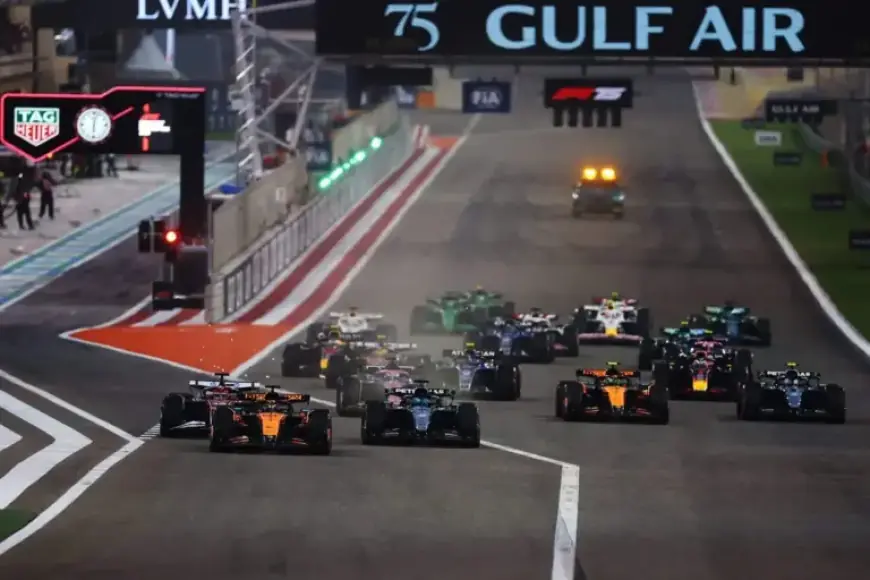
Formula 1 is facing uncertainty regarding its upcoming races in the Middle East due to escalating tensions in the region. With conflicts intensifying, concerns have arisen about the safety and viability of hosting events in Bahrain and Saudi Arabia.
Upcoming Races in Jeopardy
The F1 season, set to begin on March 8, 2026, at the Australian Grand Prix in Melbourne, is followed by the Chinese and Japanese races. The calendar then includes consecutive races in Bahrain on April 12 and Saudi Arabia on April 19. However, recent military actions, including bombings near a key U.S. naval base in Bahrain, raise serious doubts about these events proceeding as planned.
Impact of Recent Conflicts
- The U.S.-Israeli bombing campaign against Iranian cities has sparked retaliatory strikes throughout the region.
- Iran has targeted nations hosting F1 events: Qatar, Saudi Arabia, and the UAE.
- No F1 race has been canceled since the 2023 season, when flooding in Italy led to scrapping the Imola Grand Prix.
F1 management is closely monitoring the situation while engaging with local authorities. Zak Brown, CEO of McLaren Racing, emphasized the importance of safety in ongoing discussions about the races.
Logistical Considerations and Decisions
As the situation evolves, a definitive decision regarding the Bahrain and Saudi Arabian races will hinge on logistical timelines. It’s critical to assess whether conditions allow for safe operations, particularly as the freight for the Bahrain race is scheduled to begin transport approximately two and a half weeks post-Chinese Grand Prix.
Potential Cancellations and Replacement Events
If these races are postponed, there would be a significant gap in the racing calendar, potentially extending for five weeks between the Japanese GP on March 29 and the Miami GP on May 3. In light of this, F1 could consider replacement venues, with possible options including:
- Imola, which hosted the Emilia Romagna GP until its last edition last year.
- Portimão, scheduled to return in a two-year deal starting next season.
These events would likely not generate the usual hosting fees, impacting team finances significantly if replacements are needed, as the teams would bear extra logistical costs without guaranteed earnings from these stand-in races.
Concerns for Future Races
As the 2026 calendar progresses, F1 is set to visit other Middle Eastern countries, including Azerbaijan and Qatar, later in the year. The potential for conflict-related cancellations looms over these events, prompting F1 officials to seek security guarantees to avoid similar disruptions.
Travel Disruptions from Conflict
The unfolding conflict has already disrupted travel for F1 teams. Cancellations from major airlines servicing the area forced teams to reroute their travels through other hubs, complicating logistics as they moved to Melbourne. To alleviate these challenges, F1 organized charter flights to support affected personnel.
As the situation continues to develop, F1 management prioritizes the safety of all involved while also considering the financial implications for teams and organizers. The future of Middle East F1 races now hinges on stabilizing conditions in the region.