

























Jobs Data Weakness Highlights Fed’s Struggle Amid Inflation and War Risks

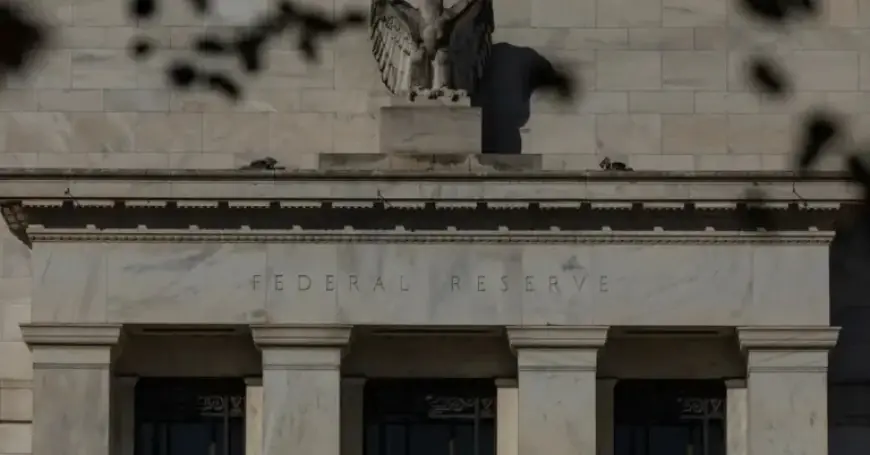
Recent data reveals a notable decline in job growth, intensifying the Federal Reserve’s challenges regarding inflation and geopolitical tensions. February’s employment report indicates a loss of 92,000 jobs, while the unemployment rate increased to 4.4%. Additionally, the previous months of December and January witnessed a downward revision in job growth by 69,000 positions.
Impact of Job Data on Federal Reserve Policy
This unexpected downturn arrives just ahead of the Federal Reserve’s scheduled communications blackout prior to its March 17-18 policy meeting. Despite these developments, officials anticipate maintaining the current interest rate range of 3.5% to 3.75%, extending a pause that commenced in January.
Market Reactions and Future Expectations
- Investors have shifted their perspectives on future rate cuts, moving expectations for potential cuts to July from September.
- Concerns about the labor market are heightened, with officials stressing the importance of closely monitoring employment trends.
Austan D. Goolsbee, President of the Federal Reserve Bank of Chicago, described the February job report as “tough.” He cautioned against overinterpreting one month’s data, attributing some decline in hiring to weather and strikes. Despite the increase in the unemployment rate, it remains close to figures from the previous year.
Challenges Ahead for the Federal Reserve
Both Goolsbee and Mary C. Daly, President of the San Francisco Federal Reserve, noted the potential vulnerabilities within the labor market. Daly emphasized the need to remain vigilant, suggesting that optimism about labor market stability may have been premature.
Fed officials face a dual challenge of managing a weakening job market while contending with persistent inflation. This concern emerged following President Trump’s imposition of tariffs on international trade, which raised fears of escalating inflation and stagnant growth.
Inflation Concerns and Monetary Policy
Goolsbee pointed out that if inflation and labor market conditions worsen simultaneously, it complicates the Federal Reserve’s response. He indicated that the Fed might refrain from reacting to geopolitical conflicts unless they lead to prolonged economic effects.
Inflation has consistently exceeded the Fed’s target of 2% for the past five years, creating apprehension among officials. Policymakers will receive fresh inflation reports prior to their upcoming meeting, which could influence their actions moving forward.
- February’s Consumer Price Index report is scheduled for release on Wednesday.
- The Personal Consumption Expenditures Price Index for January will be available next Friday.
- Job openings data for January will also be published that day.
Perspectives within the Federal Reserve
While the consensus appears to lean towards maintaining interest rates, some, like Stephen I. Miran, advocate for more aggressive reductions. He highlights the challenges faced by younger workers in the labor market and argues that elevated inflation should not deter supportive measures from the Fed.
Conversely, Beth M. Hammack, President of the Cleveland Fed, supports a more cautious approach. She believes that if inflation does not trend back towards the 2% target, the Fed may need to consider increased economic restrictions.
For now, it seems the Fed will remain patient, watching key economic indicators closely as they prepare for their next policy decisions.