
























“Slop Bowls Lose Appeal as Restaurant Spending Tightens”

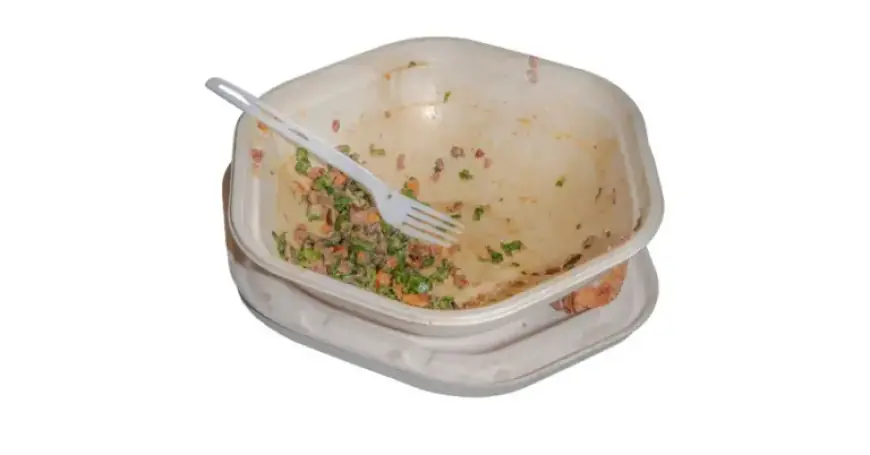
As consumer spending on dining out tightens, the popularity of slop bowls appears to be dwindling. Slop bowls, a term often used on social media to describe nutritious but somewhat unappealing bowls containing ingredients like quinoa and kale, are losing favor among restaurant-goers.
Changing Consumer Preferences
Two years ago, many such as Brittany Graham, a customer-service manager from Chico, California, frequented chains like Chipotle. However, as prices increased, her visits decreased significantly. Last year, her visits dwindled to just two, and she opted for cheaper options like kids’ meals.
This trend is reflected broadly across the industry. Major chains including Chipotle, Cava, and Sweetgreen previously enjoyed bustling lunch crowds but faced diminished traffic and sales last year. The notable decline in customer visits has caused many chains to reconsider their pricing and menu strategies.
Rising Costs and Consumer Spending
In an era of rising food prices, the gap between restaurant costs and grocery prices is widening. According to the Bureau of Labor Statistics, food costs in restaurants soared by 22 percent since 2022, compared to a 17 percent increase in grocery costs. This shift has driven lower-income consumers to reduce their dining out frequency, impacting sales for many establishments.
Recent data highlights that the average weekly spending at restaurants fell to about $90 in February 2023, down $25 from summer 2022. Research indicates that households earning between $50,000 to $99,999, as well as young adults ages 25 to 35, are pulling back on dining expenditures.
Menu Innovations and Strategic Changes
In response to the tightening consumer budget, restaurants are exploring new menu options. For instance, Chipotle introduced a $3.50 chicken taco to attract budget-conscious diners while also emphasizing premium offerings like pomegranate-glazed salmon at Cava for wealthier customers.
However, despite the introduction of lower-priced items, many chains remain hesitant to offer discounts. Historical attempts by Chipotle to provide budget menus were not well-received by the customer base. Analysts note that while it may seem beneficial, it is vital for establishments to maintain their brand identity and meet customer expectations.
Competitive Landscape
As fast-food giants like McDonald’s and Taco Bell adapt their offerings to include more budget-friendly options, fast-casual chains such as Sweetgreen and Cava face challenges in striking a balance between maintaining quality food and competitive pricing.
- Sweetgreen is testing a new line of high-protein wraps priced under $15.
- Cava has also raised its menu prices slightly but remains committed to focusing on quality ingredients.
- Both chains have experienced a steep decline in stock value, with Sweetgreen’s shares dropping by 76% over the past year.
While individual ownership structures and operational models differ across fast-food and fast-casual sectors, the pressure to adapt without sacrificing quality remains paramount. Cava’s CEO, Brett Schulman, confirms that the company will not engage in a price war with fast-food chains, aiming instead to provide value to both lower and upper-income customers.
Ultimately, as the restaurant landscape evolves, the term “slop bowls” serves as a metaphor for shifting consumer expectations and preferences, highlighting a new era in dining out where affordability and quality must coexist.