























Top EU Countries Most Vulnerable to LNG Supply Disruption

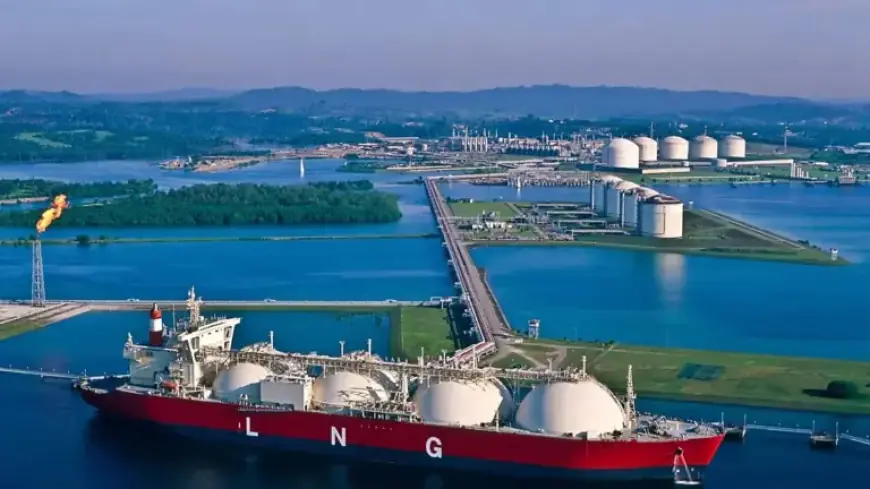
The European Union is currently facing potential vulnerabilities regarding its liquefied natural gas (LNG) supply. Despite the European Commission reporting no immediate gas shortages, significant market concerns have emerged over declining global LNG availability. Recently, the Dutch Title Transfer Facility (TTF), the primary pricing benchmark for European natural gas, has experienced notable price increases.
Impact of Middle East Conflicts on LNG Supply
Qatar’s Energy Minister, Saad al-Kaabi, highlighted that ongoing conflicts in the Middle East could severely impact global economies. He emphasized that even if these conflicts were resolved immediately, Qatar would require weeks or months to return to normalized LNG deliveries. This situation has been exacerbated by disruptions at the Ras Laffan LNG export complex, which faced drone attacks.
Current LNG Storage Levels and Usage
- EU gas storage levels are currently at approximately 30%.
- The region is entering a crucial period for replenishing reserves ahead of winter 2023.
This scenario echoes the energy crisis triggered by the 2022 Russian invasion of Ukraine, although the EU has significantly diversified its gas sources since that time. Key suppliers now include US LNG deliveries and Norwegian pipeline gas, which are stabilizing current supplies.
EU Countries at Greatest Risk of LNG Supply Disruption
In 2025, the EU imported over 140 billion cubic meters of LNG. The United States emerged as the largest supplier, accounting for around 58% of total imports. The main LNG importers in the EU—France, Spain, Italy, the Netherlands, and Belgium—display varying degrees of vulnerability:
- Italy: Heavily reliant on Qatar, with about 30% of its LNG imports from the nation.
- Belgium: Also dependent on Qatari supplies, facing pressing reserve challenges with storage levels at approximately 25.5%.
- Poland: Represents a unique case, importing around 17% of its gas from Qatar despite not being a top LNG importer.
- France and Spain: These countries have comparatively safer positions due to better access to Norwegian gas.
As global competition for LNG intensifies, countries like Italy, Belgium, and Poland are bracing for potential price volatility due to limited alternative supplies. Baird Langenbrunner from Global Energy Monitor noted that the Ras Laffan shutdown could significantly affect the market, emphasizing the lack of immediate substitutes for lost volumes.
Countries Minimally Affected By LNG Supply Disruption
In contrast, Portugal stands as a model of security in this landscape, having not sourced any gas from the Middle East since 2020. In 2025, the country primarily relied on supplies from Nigeria and the United States, boasting strong storage levels exceeding 76%. Spain, with diverse supply routes and approximately 56% storage capacity, also enjoys a relatively stable position.
Future Measures and Energy Strategy Revisions
Amid these challenges, the European Commission is contemplating various strategies to bolster energy security. Potential measures include:
- Coordinated demand-reduction targets across member states.
- Accelerated joint LNG purchase initiatives.
- Temporary price safeguards and financial support for the most impacted nations.
The Commission remains committed to closely monitoring the situation alongside national governments and is prepared to expedite necessary approvals for state aid or cross-border storage sharing.
Long-Term Energy Security Strategies
Experts like Chris Bernkopf, CEO of Podero, advocate for an urgent transition to renewable energy sources. Bernkopf argues that relying on short-term measures like price freezes does not address the underlying structural issues. The key to achieving genuine energy security is to expand renewable energy capacities, improve grid flexibility, and decrease dependency on imported fossil fuels.
In summary, as geopolitical tensions threaten energy supplies, the coming weeks will be a critical test for the EU’s preparedness and cooperation among member states. With diverse responses emerging from individual countries, the outcomes will shape the bloc’s energy landscape for years to come.