

























Hegseth on Iran: Senate Blocks Effort to Limit War Powers

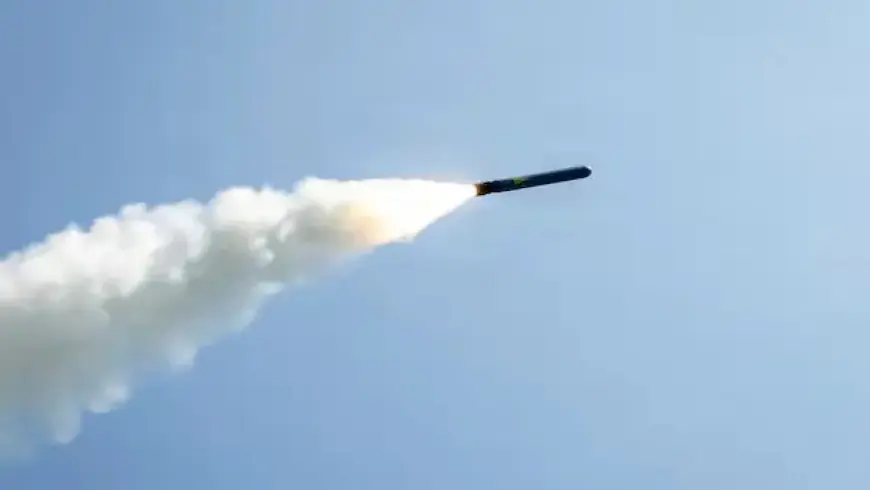
The escalating conflict between the United States and Iran continues to intensify, with U.S. Secretary of War Pete Hegseth confirming significant military actions in the region. He stated that the U.S. military is prepared to extend its operations as necessary, emphasizing their superiority in the ongoing conflict.
U.S. Military Actions in the Iran Conflict
During a recent briefing, Hegseth announced that a U.S. submarine had sunk an Iranian warship off the southern coast of Sri Lanka. This operation reportedly resulted in the deaths of at least 87 individuals, with around 30 survivors rescued.
- Key Details:
- Location: Off Sri Lanka’s southern coast.
- Casualties: 87 confirmed dead, 30 rescued out of 180 aboard.
Hegseth claimed that the U.S. is “winning” in this military effort and intends to push deeper into Iranian territory. He indicated that the U.S. forces were continuously engaging enemy capabilities, with a focus on air superiority.
Global Implications and Strategy
The U.S. military strategy includes controlling airspace over Iran while anticipating continued missile threats from Iran. Hegseth characterized the U.S. actions as an unequal struggle, stating, “This was never meant to be a fair fight.”
As tensions rise, the situation remains fluid. Hegseth’s confidence contrasts with widespread uncertainty regarding the long-term objectives of the U.S. campaign in Iran.
Senate Response to Military Actions
In a related political development, efforts to restrain President Donald Trump’s military actions through a bipartisan Senate resolution were thwarted. The Senate voted 53-47, primarily along party lines, to advance Trump’s approach to the conflict, effectively blocking attempts to limit military actions against Iran.
- Senate Vote Breakdown:
- 53 in favor of the ongoing military campaign.
- 47 opposed the actions.
Senate Democratic Leader Chuck Schumer criticized the vote, urging members to consider the prolonged military involvement in the Middle East.
War Powers Resolution Context
The War Powers Resolution of 1973 aims to limit presidential war-making powers without congressional approval. It requires the president to report military activities to Congress and can restrict unauthorized military actions within specific timelines. Legislative discussions around this resolution are anticipated soon, although an override of a potential presidential veto appears unlikely.
International Reactions and Future Considerations
Internationally, Canadian Prime Minister Mark Carney affirmed that while Canada will not militarily engage, it will support allied nations when justified. Carney expressed hopes for a de-escalation of hostilities but stressed the importance of addressing Iran’s nuclear ambitions.
The current trajectory of U.S. military operations against Iran continues to affect global markets and raise security concerns across the region. As the conflict progresses, the involvement of other nations may shift the dynamics further.