























AI-Crafted Books Surge, Echoing Orwell’s ‘Novel-Writing Machines’


In 2025, Anthropic agreed to pay up to US$1.5 billion to thousands of authors. The settlement resolved claims in Bartz v. Anthropic that the company had infringed copyrights.
In March 2026, journalist Julia Angwin filed a class action against the owners of Grammarly. She alleges the company misappropriated writers’ identities to build its “Expert Review” AI tool.
Legal fallout and authorship claims
The Anthropic settlement covers a broad class of writers. Many claim their work was used without permission to train large language models.
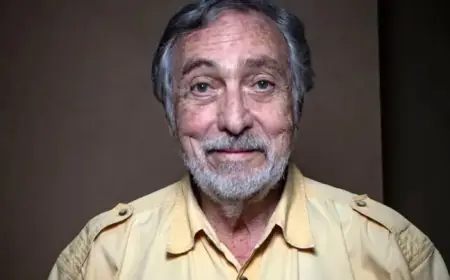
Author and historian Laura Beers says she expects to receive a modest check. She also reports concern that chatbots can learn an author’s voice as well as subject matter.
How chatbots learn and imitate style
Anthropic’s chatbot Claude is central to recent debates. Beers experimented by prompting Claude to write in her style and in George Orwell’s voice.
The first attempt produced text Beers found hard to recognize. A second effort, primed with public-domain Orwell material, yielded a more convincing imitation.
Echoing Orwell’s ‘Novel-Writing Machines’
George Orwell imagined automated production of literature in his 1949 novel. The book depicts a Ministry of Truth that rewrites history and mass-produces cheap entertainment.
Orwell’s characters contrast committed private writing with the mass-produced output of machines. The modern debate over AI-generated text evokes that contrast and raises similar ethical questions.
Market impact and the AI-Crafted Books Surge
Researchers estimate thousands of books on retail platforms were written wholly or partly with AI. Tools such as Sudowrite advertise editorial polishing features for writers.
Other services, like Squibler, promise to generate full-length novels quickly. Studies suggest readers often cannot reliably distinguish AI-generated prose from human writing.
Industry professionals express concern about sequels and franchised work. A Los Angeles screenwriter noted anxiety among colleagues over machine-produced installments for established series.
Outlook for creators and audiences
The legal landscape is active and evolving. Lawsuits and settlements signal ongoing disputes over training data and voice imitation.
AI will likely increase the volume of popular fiction and screenplays. Yet many observers argue true literary art still requires human experience and judgment.