

























Melbourne Poses Ultimate Challenge for F1’s New Era

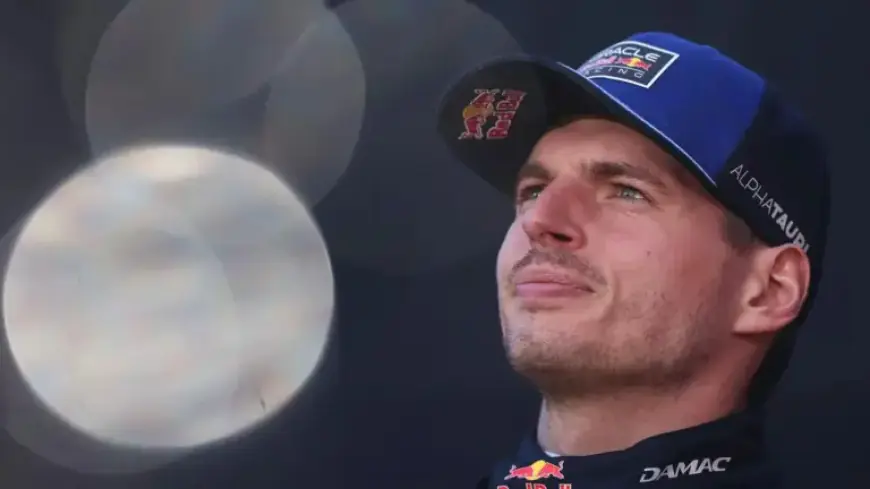
Formula 1’s new era officially kicks off at Albert Park in Melbourne, marking a significant transformation in the sport. With the introduction of revised technical and engine regulations for the 2026 FIA Formula One World Championship , all teams begin with a level playing field. This change aims to enhance competition and challenge drivers in unique ways.
New Regulations Change the Game
The newly established rules are characterized by smaller, lighter cars that are approximately 30 kilograms lighter than their predecessors. This reduction aims to improve maneuverability and responsiveness through corners while also decreasing downforce for a more dynamic driving experience:
- Cars will feature active aerodynamics, allowing wings to adjust based on track segments.
- The engine format remains a V6 turbo hybrid, but the power distribution has shifted to balance combustion and hybrid elements.
- Electrical energy management is crucial, requiring drivers to learn new tactics for battery charging.
Technical Changes
Drivers will adapt to several innovative features:
- Boost Mode: A manual override enables drivers to access full hybrid power as needed throughout the lap.
- Overtake Mode: When within a second of another car, drivers can add energy to their batteries, enhancing acceleration.
- Super Clipping: This phenomenon occurs when drivers sacrifice acceleration to recharge the battery, converting energy from the combustion engine.
- Spooling: Drivers must maintain full throttle for about ten seconds at race starts, making the opening moments more complicated than before.
Melbourne: A Challenging Debut Venue
Albert Park poses a formidable test for these new regulations. The circuit, altered during the pandemic, is faster and features fewer braking zones. This presents challenges for drivers attempting to charge their batteries:
- Five notable straights exist, including the main straight and several sections between turns.
- Drivers must adapt their racing strategies, often leaving speed on the track to conserve energy.
Driver Insights
Prominent drivers, including seven-time champion Lewis Hamilton, acknowledge the complexity of adapting to these changes. Hamilton emphasizes the need for a new approach, highlighting that energy management will be vital:
- Drivers may sacrifice time in corners for potential power boosts down long straights.
- Concerns about energy depletion could impact overall performance, especially without DRS support this season.
Max Verstappen remains critical of these new rules, suggesting the challenges are inherent to design changes. In contrast, Charles Leclerc expresses optimism about the potential for improvement as the season progresses.
A Season of Uncertainty
The upcoming races promise to be filled with excitement and unpredictability. As teams and drivers navigate the new requirements, it is clear that the 2026 season will capture the attention of fans. The challenge of adapting to the new era of Formula 1, particularly at Melbourne’s demanding circuit, is sure to deliver thrilling moments.