






















Karol G Invests Triple Coachella Fee for Remarkable Headline Set

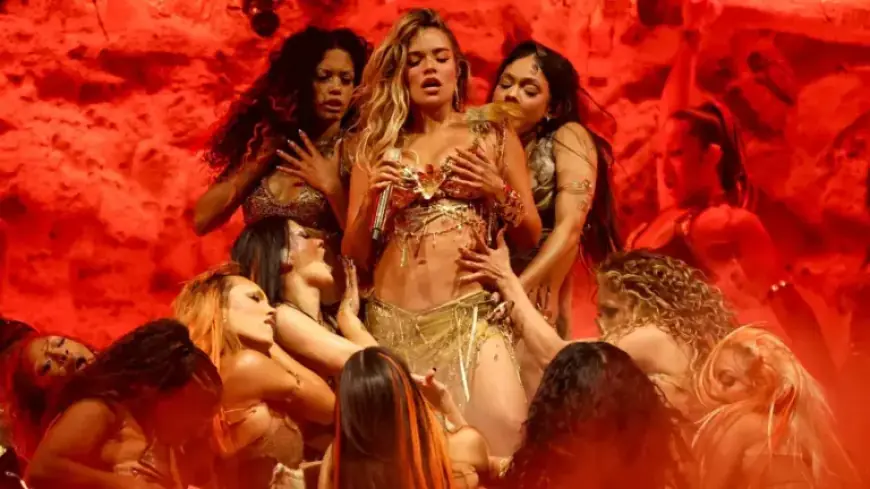
Coachella headlining sets have evolved into global television-style events. YouTube livestreams now push stage productions to match the scale of major broadcast spectacles.
Livestreams raise the stakes
Artists now plan with home viewers in mind. Productions include multiple set changes, dozens of dancers, and cinematic camera plans.
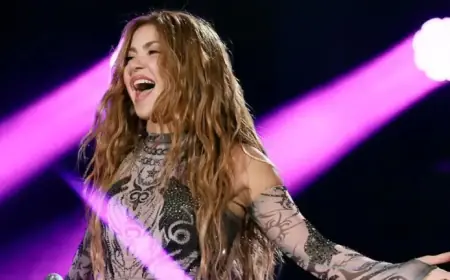
Sabrina Carpenter and Karol G showcased this new standard during this year’s festival. Their presentations emphasized how crucial livestream translation has become.
Production teams and creative direction
Ian Simon, CEO of Strangeloop Studios, has worked on visual direction for acts like Blackpink and Kendrick Lamar. He says teams prioritize how performances read on camera.
Simon notes livestreams now require the feel of a live concert film. That approach influences choreography, camera blocking, and staging.
Karol G’s major financial commitment
Karol G reportedly invested roughly three times her Coachella fee into the headline set. That outlay covered months of prep and three weeks of rehearsals in Las Vegas.
JBeau Lewis, a UTA partner who represents Karol G, confirmed the threefold production spend. Lewis said the decision aligned with a global growth strategy.
Context on fees and returns
Typical Coachella headliners earn mid-seven-figure paydays. In 2026, Justin Bieber reportedly set a record with an estimated $10 million fee.
Given those figures, Karol G’s extra investment likely pushed her total production spending toward eight figures. Lewis called the livestream audience a fair factor in that calculus.
Measurable impact on streaming numbers
Early metrics showed immediate gains. Rolling Stone reported Karol G’s global Spotify streams rose 15 percent the day after her set.
U.S. streams climbed by more than 35 percent. Agents and teams see those uplifts as part of long-term audience building.
Contrasting headline approaches
Not every headliner chose maximal production. Justin Bieber’s set favored a stripped-back aesthetic.
The performance relied on minimal staging and guest appearances. It still drew massive viewing numbers and served as a high-profile comeback.
Platform changes and technical upgrades
Coachella and YouTube expanded the livestream in 2026. They offered Main Stage, Outdoor Theatre, and Sahara Tent streams in 4K for the first time.
A new multi-stream feature allowed viewers to watch four sets simultaneously. Organizers continue to invest in higher-resolution and multi-feed delivery.
Festival sightlines and audience behavior
Festival grounds are not stadiums, so many in-person attendees rely on screens. Some fans prioritize barricade spots to secure a front-row experience.
Ian Simon described rehearsals where teams repeatedly redirected attention from the stage to monitors. The goal is a performance that satisfies both live and livestream audiences.
Legacy of pandemic-era livestreams
The pandemic accelerated demand for polished remote viewing. Early, improvised streams evolved into sophisticated productions.
That shift advanced technical skills and raised audience expectations. Producers now aim for livestreams that mirror edited concert films.
What’s next for festival performances
Industry leaders expect ambitions to grow. With viewers tuning in from around the world, artists can convert livestream exposure into tours and streaming growth.
Filmogaz.com will continue tracking how those investments affect artists’ global reach and the future of live performance. Karol G’s substantial spend exemplifies the new economics of modern festival headlines.