

























Daylight Saving Time 2026: When Does the Time Change and What You Need to Know

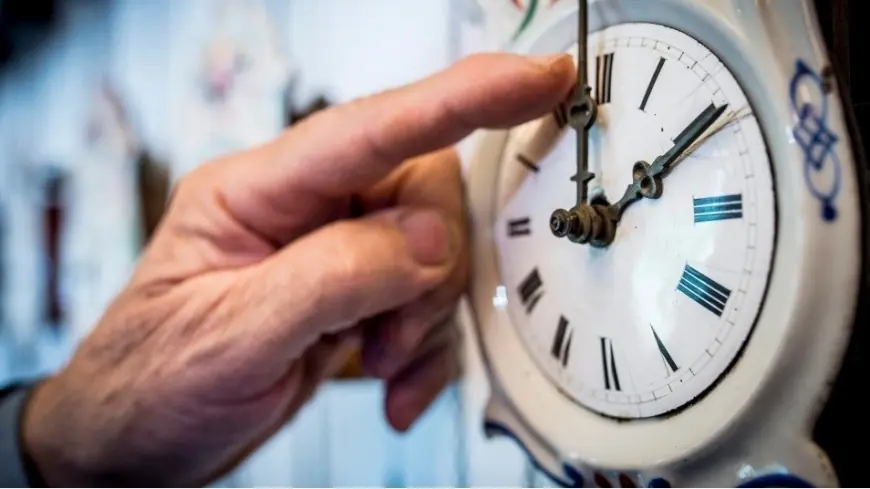
Daylight saving time 2026 is just three days away, and millions of Americans need to act before Sunday. The time change is one of the most disruptive annual events in the country, affecting sleep, health, and daily routines for weeks. Here is your complete guide to daylight savings 2026 — including when the clocks move, who is exempt, and what the debate looks like right now.
When Does the Time Change in 2026
Daylight saving time will begin Sunday, March 8, at 2:00 a.m. local time in the U.S. Clocks spring forward by one hour, meaning sunrise and sunset will occur one hour later on that day.
Daylight saving time ends on the first Sunday of November. In 2026, that falls on November 1 — the day after Halloween. On November 1, clocks should be moved back one hour at 2:00 a.m. ET, effectively ending DST for the year.
The phrase "spring forward, fall back" remains the easiest way to remember the direction of the time change each season.
Daylight Savings 2026: Which States Do Not Observe the Time Change
Not every state participates in daylight saving time. The two exceptions are Hawaii and most of Arizona, which remain on Standard Time year-round. The Navajo Nation, within Arizona, does observe daylight saving time.
U.S. territories American Samoa, Guam, Northern Mariana Islands, Puerto Rico, and the U.S. Virgin Islands also do not participate in daylight saving time.
British Columbia announced that the 2026 spring forward will be the last clock change the province ever makes. After clocks advance on March 8, B.C. will stop changing them altogether and adopt permanent year-round daylight saving time. Washington State passed a similar law in 2019, but it remains stalled without federal approval.
Health Risks Tied to the Time Change
The time change is not just an inconvenience — medical experts consistently link it to measurable health consequences every March.
Small changes in sleep, even minor decreases, can detrimentally affect health by increasing stress hormones, which raises the risk of heart attacks and strokes, particularly among women and older adults in the first two days after the shift.
Fatal car crashes temporarily jump the first few days after the spring time change, with the risk highest in the morning hours. Researchers attribute this directly to sleep deprivation caused by losing that single hour.
The adjustment may disrupt sleep patterns for over 300 million Americans, making daylight savings time difficult for a significant portion of the population.
Tips to Prepare for Daylight Savings Time
Doctors recommend starting the adjustment before Sunday to minimize the health impact of the time change.
Gradually shifting bedtimes about 15 to 20 minutes earlier for several nights before the time change is one of the most effective methods. Going outside for early morning sunshine during the first week of daylight saving time also helps reset the body's internal clock.
Moving up daily routines like dinner time or exercise can also help cue the body to adapt more quickly. Afternoon naps, caffeine, and evening screen light from phones and devices make adjusting to an earlier bedtime even harder.
The Debate Over Ending Daylight Saving Time
A recent Gallup poll found that 54% of Americans favor ending the practice of changing clocks twice a year. That majority sentiment has fueled years of legislative debate with little federal movement.
A bipartisan proposal called the Daylight Act of 2026 has been introduced, which calls for modifying clocks by only half an hour rather than a full hour as a potential compromise.
A separate bipartisan bill named the Sunshine Protection Act, aimed at making daylight saving time permanent nationwide, has stalled in Congress for several years and remains unresolved. For now, the clock change stands — and Sunday, March 8 at 2:00 a.m. ET is when it happens.