

























Fred Vasseur Reacts to F1 2026 Starting Procedure Concerns: “Well-Known Issue”

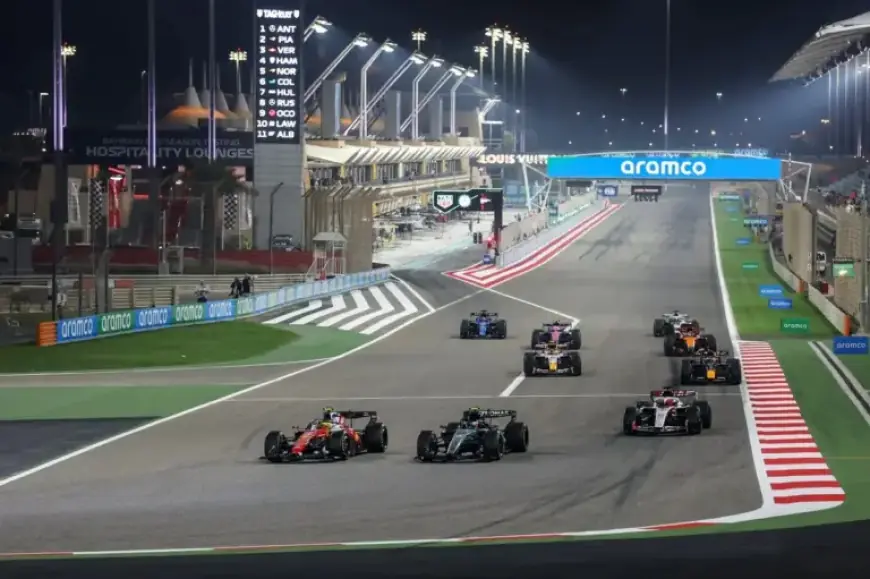
During the testing phase ahead of the 2026 Formula 1 season, Fred Vasseur, team principal of Ferrari, expressed his concerns regarding the starting procedure. He pointed out that managing turbo lag had been recognized since the outset of discussions on technical regulation changes. The elimination of the MGU-H, which previously helped mitigate turbo lag, is a significant factor in the new regulations.
Impact of MGU-H Removal on Turbo Lag
With the removal of the MGU-H, turbo lag becomes more pronounced. This lag is the time required for the turbine to reach optimal speed, which directly affects the acceleration off the starting grid. Without the MGU-H, the internal combustion engine may not generate the necessary torque for a quick getaway.
Ferrari’s Turbocharger Solutions
To counteract these issues, Ferrari has engineered a smaller turbocharger. This design aims to minimize turbine inertia and reduce lag, ensuring a smooth start. Despite these adjustments, the FIA has implemented a five-second delay between the moment the last car reaches its grid spot and the start lights. This safety measure follows successful practice starts during testing in Bahrain.
- Regulation Change: Elimination of MGU-H
- Challenge: Increased turbo lag
- Ferrari’s Response: Development of a smaller turbocharger
- FIA’s Safety Measure: Five-second delay at the start
- Testing Location: Bahrain
Vasseur’s Observations on Starting Procedure
In an interview, Vasseur voiced surprise that starting procedure concerns had resurfaced in discussions. He emphasized that the impact of turbo lag was evident from the beginning of the regulation changes. The Ferrari team had made specific design decisions to manage these challenges, despite the FIA’s reluctance to alter starting procedures.
Safety Concerns Raised By Teams
Other team principals, including Ayumu Komatsu from Haas, acknowledged the potential safety implications of slow starts. They noted the necessity of the five-second hold, which could prevent collisions caused by delayed reactions. Komatsu affirmed that the experimental measure of the blue light sequence had proven effective in addressing safety issues during practice starts.
Conclusion
As the 2026 Formula 1 season approaches, teams like Ferrari are adapting to new regulations while addressing the balance of power and drivability. The ongoing discussions about the starting procedure reflect the complexities of these changes in a highly competitive environment.