
























Colton Parayko deal could reshape Buffalo’s deadline math, short-term roster and cap picture

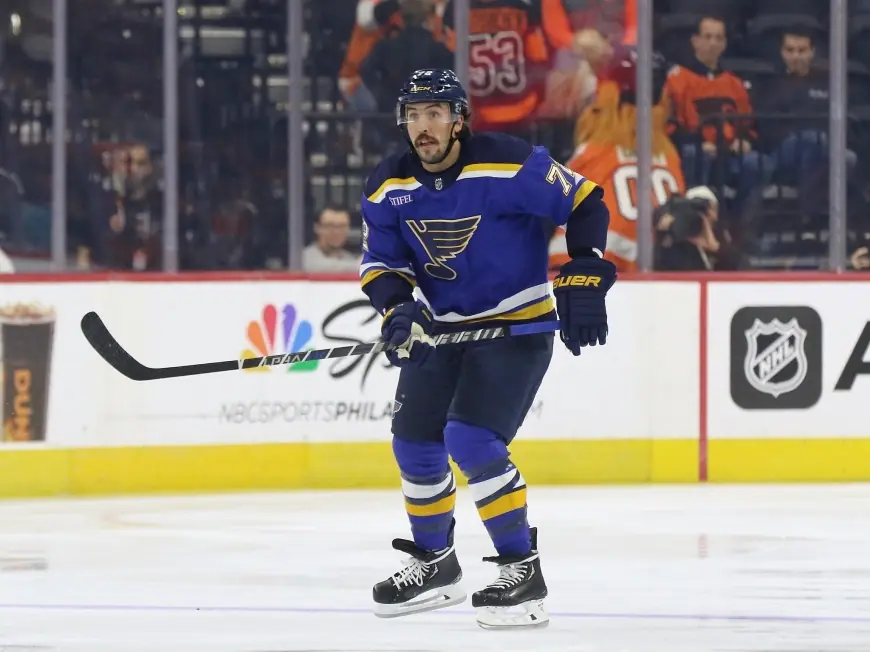
The Sabres closing in on a move for colton parayko matters because it would immediately change who’s available in high-leverage minutes and alter Buffalo’s salary-cap flexibility during a critical push. The defenseman's multi-year contract, full no-movement clause and the cost in young assets and a first-round pick mean the team would be trading future optionality for present defensive reinforcement—players in the Sabres’ top-four would feel that impact first.
Colton Parayko’s arrival would force a roster and cap reassessment
Here’s the part that matters: adding a veteran shutdown defender on a long-term, mid-six-figure cap hit recalibrates where the Sabres can spend and who plays. Parayko is under contract through 2030 at $6. 5 million per year and carries a full no-movement clause, so any deal is contingent on his approval. That combination of term and control shifts the club’s short-term payroll picture and narrows future flexibility.
What’s easy to miss is that roster construction is not only about cap dollars but about minutes. The Sabres’ current top-four already consumes heavy workloads; inserting Parayko would push coaching choices on who loses minutes and where a veteran fits best. The real question now is how the team balances immediate win-now decisions against longer-term asset management.
Deal specifics and immediate context
Recent updates indicate the trade framework would send defenseman Radim Mrtka and a first-round pick to St. Louis as part of the package. Mrtka was drafted ninth overall in 2025. The incoming defender is 32 years old, has registered 14 points in 58 games this season, and is widely viewed as a premier shutdown defender with international experience, including Olympic play and participation in the 4 Nations Face-Off. He was also an important member of his former team’s 2019 championship run.
- Contract term and hit: through 2030 at $6. 5 million per year (full no-movement clause).
- On-ice profile this season: 14 points in 58 games; heavy usage as a shutdown defender.
- Trade package reported: Radim Mrtka plus a first-round pick; Mrtka was the ninth overall pick in 2025.
The clubs also discussed other roster permutations before this framework—one notable conversation involved another high-profile player, but nothing materialized from that line of talks. Meanwhile, the Sabres sit in a tight divisional race and are pushing to end a lengthy playoff drought; that timing explains why the team would contemplate surrendering high draft capital for an immediate defensive upgrade.
Key groups affected include the Sabres’ established top-four defenders and coaching staff tasked with reassigning minutes, younger blue-line prospects who lose a clearer path to top-pairing minutes, and the front office as it manages the cap and draft capital. A trade of this size changes more than an on-ice matchup; it reshapes roster options for multiple seasons.
Micro timeline (compact context):
- 2019 — The defender played a meaningful role in his previous club’s championship season.
- 2025 — Radim Mrtka was selected ninth overall and is part of the proposed package moving the other way.
- Through 2030 — The player’s current contract extends through this season, with a $6. 5 million annual cap hit and a full no-movement clause.
Expect details to be finalized and the player’s approval to be the hinge for completion; those items will determine whether this is a completed trade or a transaction that still needs final signoff. If you’re wondering why this keeps coming up, the converging factors are the Sabres’ push in the division, the defender’s contract length, and the price in young talent plus a first-round choice.
The bigger signal here is not just one roster addition but a strategic posture: trading proven prospects and high picks for established, term-heavy help signals a clear tilt toward winning now. That choice carries consequences on cap flexibility and the organizational timeline that will be felt across next season and beyond.