























Ottawa’s Musqueam First Nation Agreement Sparks Vancouver Property Rights Concerns

The recent agreements between the federal government and the Musqueam First Nation have raised concerns about property rights in British Columbia. These agreements aim to acknowledge Aboriginal title within a territory that covers a significant portion of the Lower Mainland, including urban areas like Vancouver, Burnaby, Richmond, and Delta. The agreements were announced on February 20 and have sparked public interest following the Cowichan decision by the B.C. Supreme Court last August.
Key Details of the Musqueam First Nation Agreements
- Agreements Signed: Three key agreements were signed with the Musqueam First Nation.
- Area Affected: The agreements pertain to approximately 533,000 hectares of land.
- Court Influence: The Cowichan decision established that Aboriginal title is a priority over private fee simple title.
- Major Parties: Agreements were reached between the Musqueam First Nation and the federal government.
Public Concerns and Political Reaction
Since the announcement, there has been public unease regarding the implications for private property rights. Although both the federal government and Musqueam officials maintain that the agreements do not affect fee simple lands, legal experts express skepticism about these assurances. Thomas Isaac, a prominent figure in Aboriginal litigation, criticized the vagueness of the agreements, stating they offer little confirmation of private property security.
Musqueam Chief Wayne Sparrow clarified that the agreements do not pertain to land ownership and emphasized, “Musqueam is not coming for anyone’s private property.”
Government Response and Future Implications
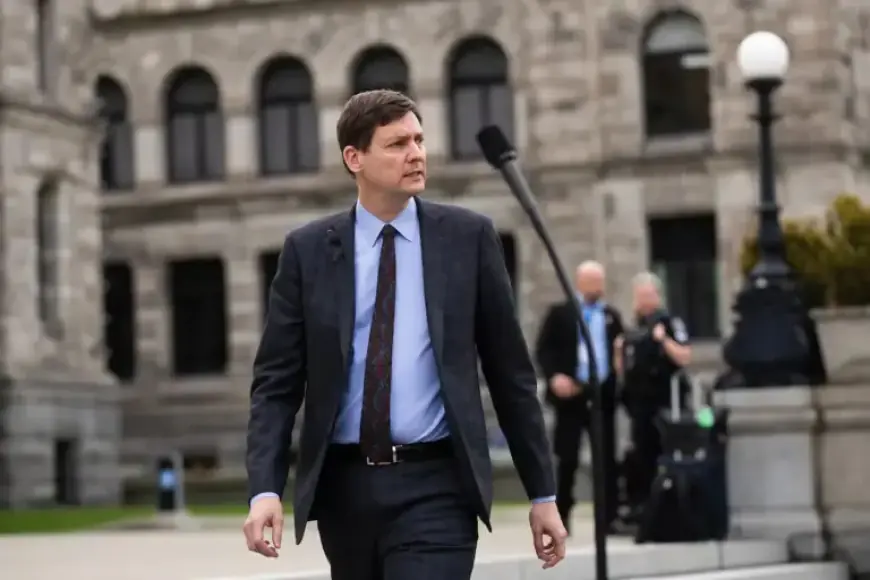
Premier David Eby has voiced the need for clarity from Ottawa regarding these agreements. He mentioned he was not provided with pertinent information during the signing event, raising concerns about transparency. Eby commented on the necessity for improved communication between the federal and provincial governments regarding reconciliation efforts.
- Transparency Issues: Premier Eby criticized the lack of briefing he received before the signing.
- Political Opposition: The B.C. official Opposition questioned Eby’s awareness of the agreements and their implications for private property.
- Legal Uncertainty: Isaac pointed out the ambiguities in the agreements could potentially impact landowners’ rights.
Future Pathways for Musqueam Rights and Title
The agreements are intended to initiate negotiations over Musqueam’s rights and title and create pathways for cooperative resource management. This includes establishing a working group focused on stewardship of water and resources and developing a fisheries management plan with federal support.
As discussions continue, the focus remains on clarifying how these agreements will shape property rights and governance in British Columbia while advancing the federal government’s reconciliation initiatives with Indigenous communities.