

























Simple Solution to 2026 Car Issue Could Devastate F1

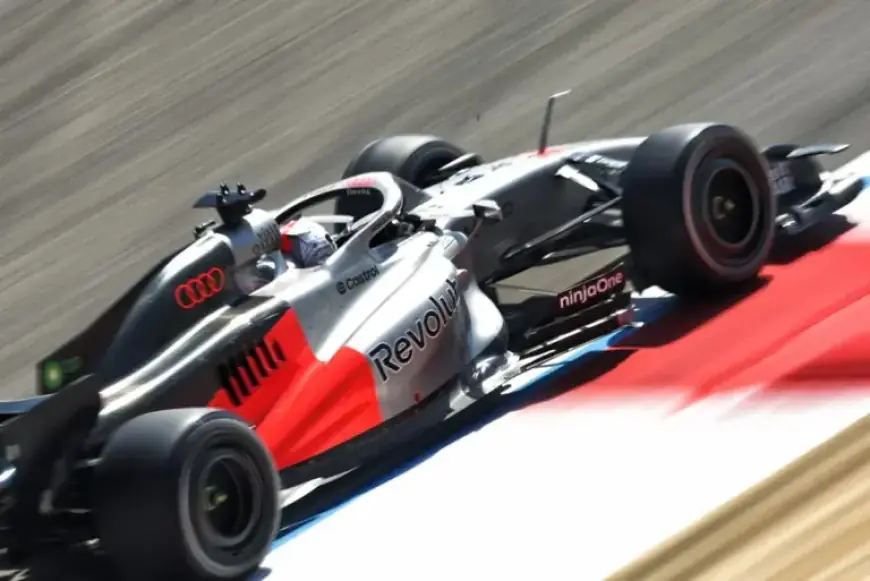
Recent discussions surrounding the future of Formula 1 (F1) have raised concerns about a potential 2026 car issue that could significantly impact the sport. Drivers have voiced criticism regarding the new generation of energy-efficient F1 cars, often describing the driving experience as less engaging. Suggestions have emerged that not including front axle energy recovery in the current regulations could be a critical oversight.
Importance of Front Axle Energy Recovery
Front axle recovery can effectively double the energy harvested during braking. This system utilizes the natural weight transfer to the front axle during braking, capturing more kinetic energy compared to rear axle systems. The technology isn’t new; it was first introduced by the Audi R18 Le Mans cars in 2012.
However, concerns regarding the application of this technology in F1 have surfaced. Independent control over axle torque could lead to stability control systems. This would effectively diminish differences in driving skill. Such systems might allow drivers to achieve ideal car rotation with minimal effort, making it easier for less experienced drivers to compete with more skilled ones.
The Skill of Driving
The essence of racing skill lies in mastering the transition from moving straight to initiating a turn. Experienced drivers possess an instinct for balancing braking with lateral grip while managing car dynamics. This nuanced understanding differentiates skilled drivers like Max Verstappen and Michael Schumacher from their competitors.
Stability control technology could blur these distinctions. As cars incorporate standardized electronic control units (ECUs), one might assume such technology would be difficult to implement. Yet, given the competitive nature of F1, teams could find mechanical alternatives to achieve similar effects.
Historical Context of Energy Recovery Systems
Two-axle energy recovery has previously been a topic of conversation within the sport. The development of Kinetic Energy Recovery Systems (KERS) for the 2009 season initially included designs for two axles, primarily advocated by Toyota. Concerns regarding stability control implications were raised at that time, highlighting the potential loss of driver skill differentiation.
In 2008, conversations regarding the future of hybrid F1 cars included discussions of stability control mechanisms. Notably, FIA President Max Mosley consulted drivers, including Schumacher, about the potential ramifications of such technology. Schumacher acknowledged the risks, leading to the removal of front axle recovery from the regulations, much to the disappointment of manufacturers like Toyota.
Looking Ahead
As F1 approaches 2026, the debate surrounding energy recovery systems continues. While the past has seen technological limitations concerning driver skill differentiation, the sport may still evolve in unforeseen ways. The potential introduction of dual-axle recovery systems may occur in the future, but for now, the focus remains firmly on the current regulations.
The future of F1 hinges on balancing innovation with the preservation of driver skill. As discussions progress, the implications of these technologies warrant careful consideration from teams, drivers, and governing bodies alike.