























Jensen Huang: Comparing Chip Sales to China with Nukes to North Korea is ‘Lunacy’

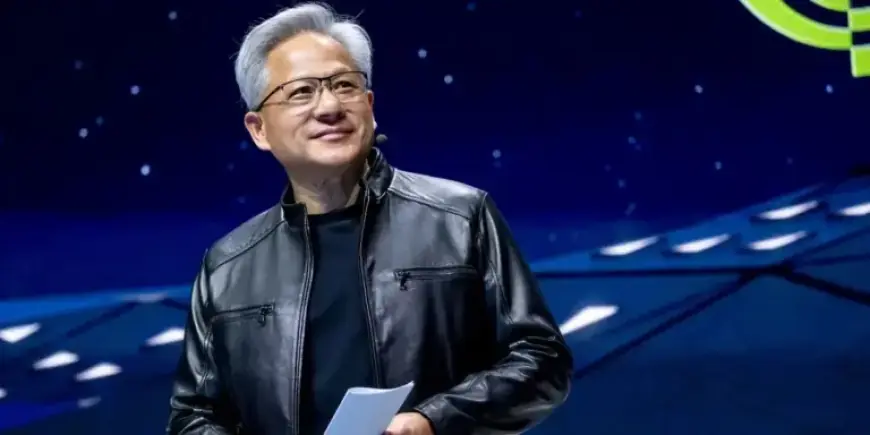
Nvidia CEO Jensen Huang and Anthropic CEO Dario Amodei remain at odds over selling advanced chips to China. Their disagreement surfaced after Amodei likened such sales to arming hostile states in a January essay. The dispute has resumed in recent public comments and interviews.
The public clash
The debate flared when tech podcaster Dwarkesh Patel raised Amodei’s comparison on the Dwarkesh Podcast. Huang responded immediately and called the analogy extreme. Jensen Huang: Comparing Chip Sales to China with Nukes to North Korea is ‘Lunacy’ was his blunt summary of the reaction.
Patel also suggested a comparison between AI compute and enriched uranium. Huang rejected that parallel. He argued chips are not weapons and said China can build chips themselves.
Arguments from both leaders
Amodei has argued against selling advanced chips to China. In his essay, “The Adolescence of Technology,” he warned that China trails the US by several years in mass-producing frontier chips. He said the next few years are crucial for building talent and datacenter capacity, and warned against giving the Chinese AI sector a major boost.
Huang counters with economic and strategic reasoning. He has claimed Chinese sales could reach roughly $50 billion a year for Nvidia. He warned of a split ecosystem, with open-source models running on foreign stacks and closed-source models on US hardware.
Past tensions and recent cooperation
The two executives have clashed previously, yet ties showed signs of easing. In November, Nvidia announced it could invest up to $10 billion in Anthropic. That announcement formed part of a partnership including Microsoft.
Policy moves and approvals
Huang pushed the Trump administration to permit H-200 chip sales to China. The H-200 is an older-generation chip. The decision reversed Biden-era restrictions and included a condition that the US government receives 25% of any sales.
Nvidia’s CFO, Colette Kress, told analysts in February that the company had not yet recorded revenue from H-200 sales in China. The Financial Times reported that a US security review had delayed final approval.
Stakes and implications
Amodei frames the issue as a strategic risk for US leadership in AI. He opposes boosting Chinese AI capabilities during a sensitive development window. Huang frames the issue as economic and ecosystem risk for US firms.
The debate touches on trade, national security, and the future of AI development. Both sides press their cases to policymakers and the public.
Filmogaz.com will continue to follow this disagreement as policy decisions and commercial approvals unfold.