

























Asian Allies Fear Iran Conflict Weakens Defenses Against China

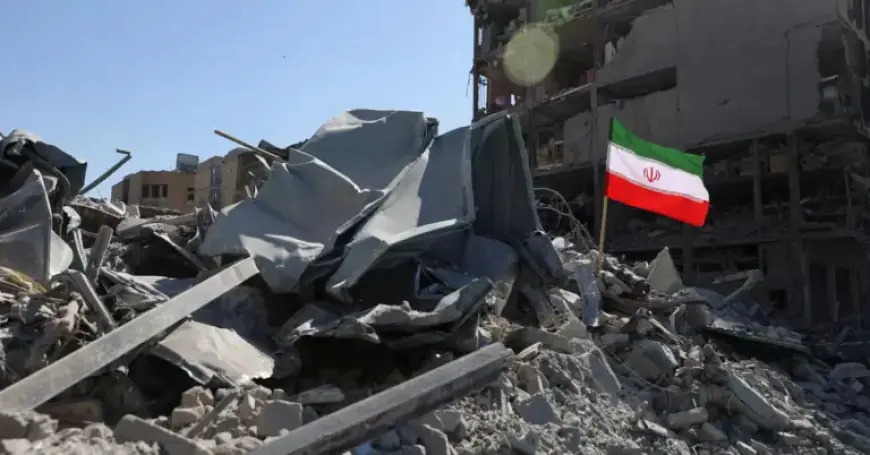
Rising tensions in the Middle East due to the Iran conflict are causing significant concern in Asia. Nations such as Japan, South Korea, and Taiwan fear that a prolonged U.S. military engagement could weaken defenses against China.
Concerns Over U.S. Military Distraction
In Tokyo, Japanese lawmakers expressed worry about the shifting focus of U.S. naval assets away from Asia. Discussions centered on how the U.S. withdrawal of military resources might impact security arrangements in the region, particularly amid heightened threats from China. Approximately 40% of U.S. Navy ships are currently stationed in the Middle East, raising alarms in Asian capitals.
Implications for Regional Security
- Japan and South Korea host significant U.S. military bases essential for countering Chinese and North Korean aggression.
- Taiwan’s lawmakers emphasize the need for preparedness as U.S. attention may wane during the Iran conflict.
- The speed of U.S. military operations in the Middle East could determine the availability of resources for Asia.
Chen Kuan-ting, a lawmaker from Taiwan, articulated the fears that a protracted conflict would embolden China to increase its coercive tactics. This concern is echoed across the region as nations grapple with the implications of U.S. naval commitments.
Current U.S. Naval Deployments
The U.S. Navy’s current logistical challenges are significant. The only aircraft carrier stationed in Asia, the George Washington, is undergoing maintenance. As noted by experts, the naval force is “stretched thin,” creating a vulnerability in the Indo-Pacific region.
Impact on Munitions and Supplies
U.S. military operations in Iran are also straining munitions supplies. The U.S. military’s efforts to replenish these reserves will take years, resulting in potential shortages for operations aimed at deterring Chinese aggression in Taiwan.
Strategic Implications for China
The ongoing conflict presents an opportunity for China to advance its interests. Analysts observe that U.S. focus on Iran may inadvertently benefit China, particularly if resources are not available to address the situation in the South China Sea or Taiwan Strait.
Global Reactions and Future Outlook
Leaders in the Asia-Pacific region are closely monitoring developments. Many worry about the potential for increased Chinese actions while the U.S. is engaged elsewhere. Observers believe that if the Iran conflict persists, China’s assertiveness could rise dramatically.
This evolving situation emphasizes the need for strategic planning and collaboration among Asian allies to counterbalance any shortfalls in U.S. military readiness against China during extended engagements elsewhere.