
























Surging Oil Prices Threaten Japan’s Economic Recovery.

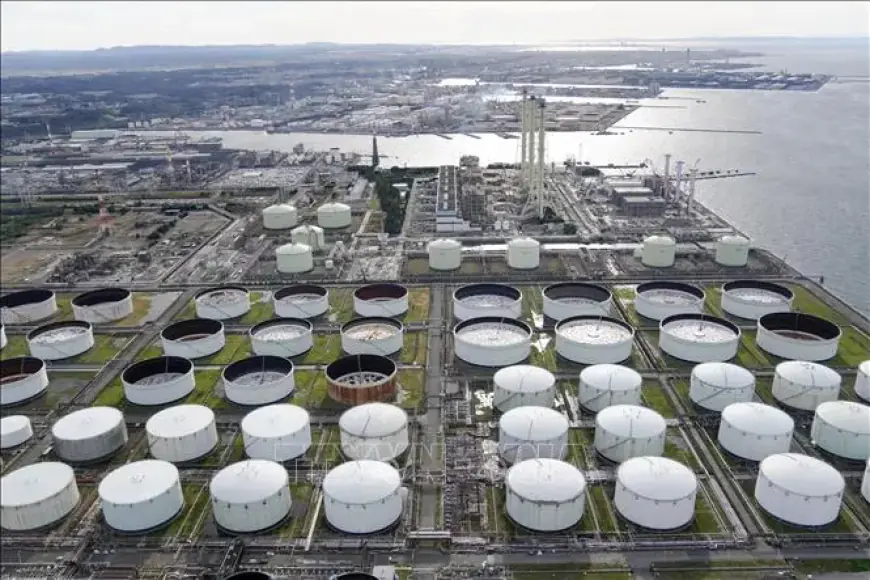
Japan’s economic recovery is facing substantial challenges due to surging oil prices. The country relies heavily on oil imports, with over 90% sourced from the Middle East. Shipping routes, particularly the Strait of Hormuz, are critical, and any disruptions, such as potential Iranian blockades, could cause a significant price surge.
Impact of Rising Oil Prices
Oil prices have recently risen by 20%. Experts predict a potential hike of up to 35%, pushing prices to approximately $90 per barrel. Hideo Kumano from the Dai-ichi Life Research Institute warns that prolonged military operations could exacerbate this situation.
Consequences for Consumer Prices
- An increase of 35% in oil prices could raise the consumer price index by 0.5%.
- Government initiatives to lower gasoline taxes and provide energy subsidies are expected to decrease prices by about 0.9%.
- However, increased oil prices may negate these savings, leading to widespread inflation.
Concerns surrounding real wages will also intensify. While Prime Minister Sanae Takaichi’s measures aim to promote growth, rising oil prices threaten this progress. Analysts expect real wage growth to decline by spring 2026 if oil prices continue to soar.
Economic Forecasts
Taro Saito from the NLI Research Institute highlights that oil prices could spike dramatically due to ongoing geopolitical tensions. If prices exceed $100 per barrel, this could jeopardize sustained real wage growth. He estimates that Japan’s real GDP could decline by 0.31% at such levels.
Risks to Consumer Spending
A continuous decrease in real wages is expected to dampen consumer spending, which constitutes half of the country’s GDP. Moreover, rising inflation may compel the government to implement additional measures to control pricing.
Government Strategies
- Zero tax on food and beverages for two years may be introduced as a relief measure.
- Broader stimulus initiatives could heighten the risk of increasing long-term interest rates.
Presents trends in disposable income indicate a recent rise in real net income. Although many are optimistic about Japan’s economic recovery in 2026, unexpected geopolitical risks could hinder this outlook.