

























Ottawa Contract Bid Split Option Sets New Procurement Speed Benchmark

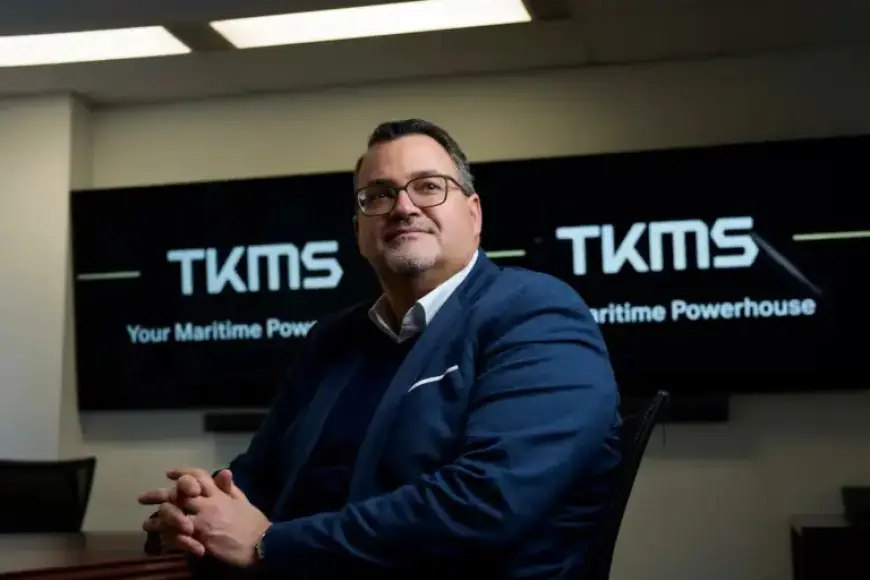
The procurement process for Canada’s next submarine fleet is being recognized for its unprecedented speed and innovative approach. This multibillion-dollar initiative is expected to accelerate the timelines traditionally associated with military procurement in Canada.
Ottawa’s Rapid Procurement Process
Companies vying to build up to 12 diesel-electric submarines have completed their final proposals. These were submitted ahead of schedule, with a decision from Ottawa anticipated by the end of June. Since its establishment in 2021, the Canadian Patrol Submarine Project has pivoted towards swift decision-making.
- Initial request for information concluded in February 2025.
- Finalists announced in August: ThyssenKrupp Marine Systems (TKMS) with Kongsberg Defence & Aerospace, and Hanwha Ocean from South Korea.
- TKMS has previously delivered over 180 submarines globally.
Industry leaders like Oliver Burkhard, CEO of TKMS, emphasized that the speed of this procurement is unmatched in Canada’s history. Timelines have reportedly shortened from six to eight years to less than one year. The complexity of typical bids has also been minimized, with government request documents reduced from hundreds of pages to around 58.
Potential Contract Split
Ottawa is considering splitting the contract, potentially worth more than $24 billion, between European and South Korean contenders. This approach aims to maximize industrial benefits for Canada. Both TKMS and Hanwha have expressed their willingness to accept a split contract while asserting the feasibility of fulfilling orders for six submarines each.
Burkhard pointed out that this economic perspective could reshape expectations for future defense procurement deals. He highlighted how international pressures, such as tariffs and geopolitical tensions, have prompted Canada to reevaluate its approach to industrial partnerships. Emerging collaborations with Canadian firms like Maritime Launch Services and NordSpace are exploring avenues for establishing a sovereign space launch capability.
Challenges and Concerns
While the prospect of a split contract presents opportunities, there are concerns regarding the size and scope of orders. Reducing the volume may pose risks to Canadian industry participation in submarine projects. Hanwha’s Glenn Copeland suggested the need for comprehensive evaluation of training and maintenance costs, should multiple platforms be adopted.
The final bids from the contenders range from 1,000 to 1,500 pages, requiring thorough assessment by federal officials in coming weeks. These discussions will play a crucial role in determining the future of Canada’s submarine capability.
As Ottawa moves forward with this landmark procurement, the strategic implications extend beyond mere transactions, positioning Canada to achieve broader industrial benefits through its military investments.