





















Pete Buttigieg in the Wilderness and a New Fight Over Airline Rules

What changes because of this moment is a shift in attention: a political profile of Pete Buttigieg — part outdoorsman, part former transportation official — now sits beside a public spat that may nudge airline oversight back onto the national agenda. pete buttigieg has been cast both as a figure retreating to Michigan and as a former transportation secretary pressing for the restoration and enforcement of passenger-rights work. The immediate impact will be felt by travelers, regulators and the industry personnel who manage day-to-day operations.
Pete Buttigieg presses the point — consequences for passenger rights and enforcement
Here’s the part that matters: a White House deputy has signaled a “new interest” in the airline industry after routine delays affected him and his wife, and that public vow opened a door for debate about enforcement and passenger protections. The former transportation secretary responded directly, urging restoration of passenger-rights work that was rolled back and calling for serious enforcement of airline laws. That exchange elevates enforcement — not just policy rhetoric — as the likely axis of any next moves.
Who feels this first: passengers who face long delays and the staff who manage schedule disruptions. Employees and regulators may see renewed pressure for tighter operational checks or clearer accountability measures. The airline industry could face public and political scrutiny even if the specific incidents described — a hydraulic issue and an unassigned pilot blamed for a missed flight — are common operational headaches.
Event details and background woven into the profile
The public friction followed posts from a senior White House deputy about travel delays experienced this week, including a 2. 5-hour hold tied to a hydraulic issue during pre-departure checks and an allegation that a pilot had not been booked for a separate flight. The deputy said he would take a new interest in the industry. In response, Pete Buttigieg, identified as a former transportation secretary, urged restoring passenger-rights efforts and enforcing airline rules, noting past administration work that he said produced results.
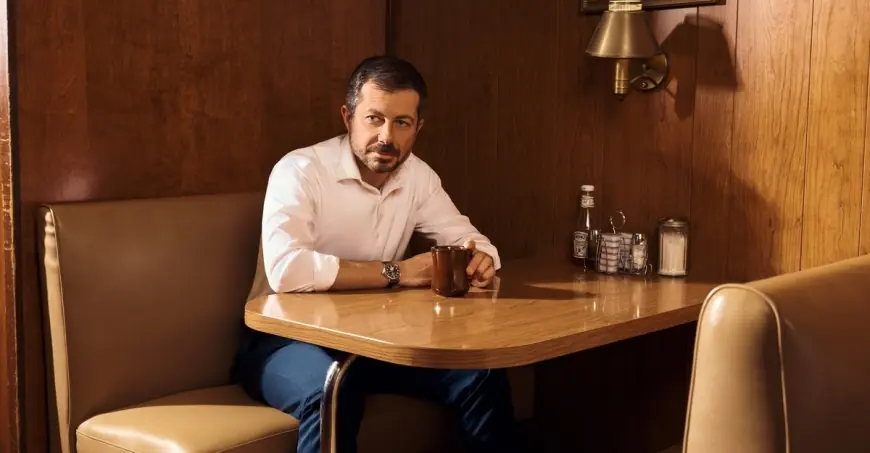
Separately, a profile of Buttigieg describes him in a markedly different register: he has a beard, a splitting maul, and a house in Michigan — images meant to position him in a quieter, more rugged setting. The profile traces earlier moments that shaped him: in May 2001, as a Harvard freshman at the Institute of Politics, he expressed dismay at a perceived “MBA White House” model and wrestled publicly with political ambition and idealism. That longer arc — from IOP student to transportation chief to a figure described as "in the wilderness" — now overlaps with a live policy dispute over airlines.
- Key threads: a White House deputy’s public vow to target airline issues; operational examples that sparked the complaint; a former transportation secretary pushing to revive passenger-rights enforcement.
- Stakeholders affected: airline passengers, flight crews, regulatory officials, and the political figures now debating enforcement and policy rollback.
What’s easy to miss is the contrast between the symbolic image of retreat — a house, a maul, a beard — and the real-time policy friction that pulls public attention back toward the nuts and bolts of travel enforcement. The real test will be whether the vow of renewed interest translates into concrete regulatory action or remains a rhetorical salvo.
Micro timeline: May 2001 — Buttigieg at Harvard’s Institute of Politics reflecting on politics and ambition; last summer — profile author met him by the Grand Traverse Bay in Michigan; this week — the White House deputy’s complaints about flight delays and the ensuing exchange with Buttigieg.
If you’re wondering why this keeps coming up: routine operational delays are common, but when they become a public political spat they can catalyze renewed regulatory focus. That dynamic, more than any single incident, is the immediate consequence to watch for as the conversation shifts from personal grievances to the policy tools available to protect passengers and enforce airline laws.