






















International Women's Day 2026: Communities from Colorado to Africa Mark the Day with Events and Leadership Forums

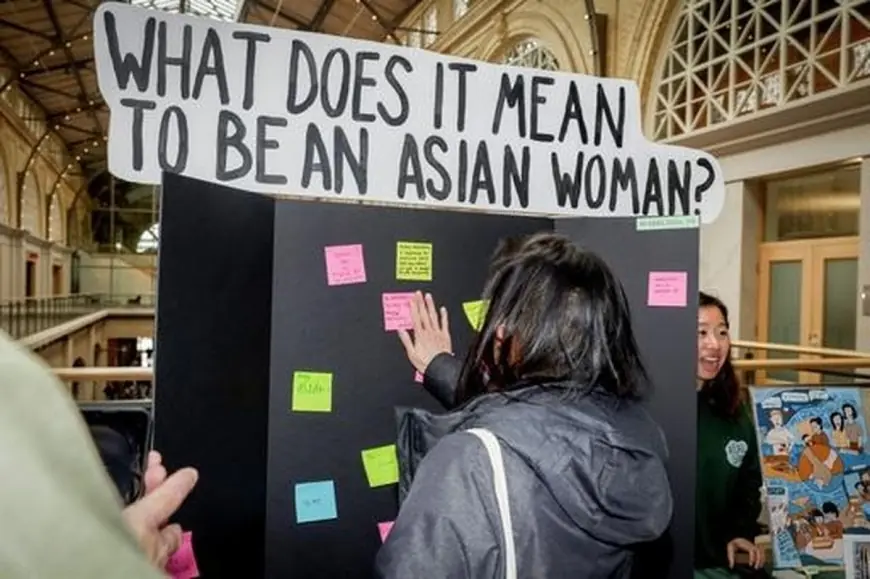
Communities across Colorado and international organizations are staging a mix of cultural programs and leadership forums as international women's day and Women’s History Month arrive. The slate of events — spanning free museum days, art tours, markets and a 90-minute webinar on March 8 — underscores how the observance is being used to promote education, inclusion and public recognition.
International Women's Day programming at The Colorado Sound and Colorado venues
The Colorado Sound is devoting its Annual Celebration of Women’s History Month to artists and cultural changemakers, combining special programming with listings of Front Range events for listeners throughout March. In Denver, a self-guided public art tour will highlight artworks by and about women, including Elsie Ward Hering’s The Boy and a Frog, identified as the oldest piece in the city’s collection. The Center for Colorado Women’s History will open free to visitors on March 7 and March 8.
Smaller cities along the Front Range are staging multiple ticketed and free events: Fort Collins will hold an International Women's Day Reception and Proclamation on March 3, a virtual event with Together Women Rise on March 5, a keynote featuring Chrysta Bairre on March 8, and a Maker’s Market at Odell Brewing Co. Boulder’s New Local is marking its third annual International Women’s Day Celebration with demonstrations and workshops rooted in ancestral crafts. Longmont is offering a virtual tour that highlights women who helped shape the city, while Colorado Springs will spotlight women athletes at the U. S. Olympic and Paralympic Museum.
Global Center on Adaptation webinar spotlights young women leaders in Africa
On March 8, the Global Center on Adaptation will host a 90-minute webinar titled "Young Women Leadership in Africa" to showcase the experiences of young women leaders from countries including Algeria, Comoros, Equatorial Guinea, Morocco, Republic of Congo and South Africa. The session is timed to align with the international observance and is presented as part of broader outreach that pairs local events with international conversations about leadership and inclusion.
What makes this notable is the pairing of grassroots cultural programming with an international policy- and leadership-focused conversation, linking community-level celebrations to regional dialogue about youth and governance. The webinar’s one-and-a-half-hour format is designed to present multiple perspectives from a range of African nations on a single date recognized worldwide.
Historical milestones driving this year’s Women’s History Month activities
The contemporary cadence of March observances traces back to a presidential proclamation in February 1980 that recognized the week of March 8 as National Women’s History Week, followed by Congress formally designating March as Women’s History Month in 1987. Those official actions established a timeline that communities now use to schedule events: exhibitions, free museum days, public art tours and civic proclamations concentrated across the month and peaking on March 8.
Events in Colorado give the pattern a practical shape: multiple programs across at least six municipalities during the first week of March, a cluster of activities on March 8 itself, and ongoing radio programming throughout March. The combination of public-facing exhibitions, virtual forums and market-style showcases creates immediate, measurable opportunities for engagement — from free museum entry on two calendar days to a set sequence of March 3, March 5 and March 8 activities in Fort Collins.
By blending commemorative history with action-oriented events, organizers are translating a decades-old recognition into present-day programming aimed at education, celebration and leadership development. The broad implication is that communities are using Women’s History Month not just to honor past contributions but to elevate contemporary voices and organize practical forums for learning and economic activity.