























S&p 500, s&p 500: Will petrol and diesel prices go up now?

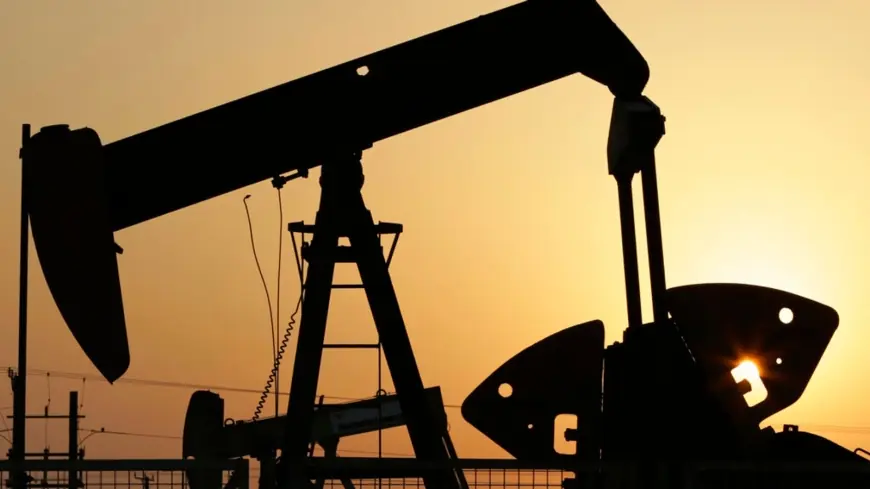
s&p 500 appears amid market talk as a sharp jump in oil, triggered by conflict in the Middle East, raises the possibility of higher fuel costs for motorists. Following the attacks by the US and Israel on Iran, the price of oil leapt by 10% and gas prices also surged.
S&p 500 and market reaction
The immediate price moves have been large and uneven. Brent crude climbed 13% to $82 a barrel at one point, its highest level since July 2024, before easing. At another point Brent was trading at $77. 56, about $5 more than on Friday, when a 1% rise was linked to fears that US-Iran peace talks were off track, leaving Brent 8% higher through February. Separately, Brent was trading at about $79 (£59) by lunchtime in London, up about $6 or 8. 5% on the day. The price had already risen significantly this year, from just above $60 in January. The effect on the s&p 500 is unclear in the provided context.
Strait of Hormuz warnings and shipping
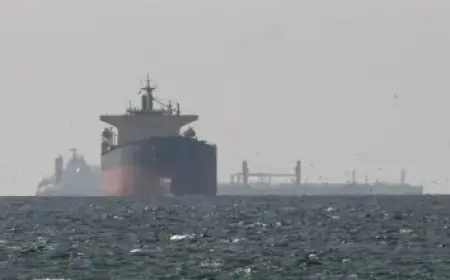
The disruption followed Iran warning vessels not to pass through the Strait of Hormuz, a crucial waterway in the south of the country through which about 20% of the world's oil and gas is shipped. The strait is described elsewhere as carrying around a fifth of global oil and natural gas supplies. Iran's response to strikes has seen Gulf states targeted and nearby shipping run for cover. At least three tankers were hit and were damaged by missile and drone strikes. Tankers are already declining to use the strait, insurers have become reluctant to provide cover, and some ships are said to be dodging the Suez canal. While the regime has not yet closed the strait, attacks involving shipping have effectively created a pause in normal traffic.
Fuel prices and pump averages
Crude oil is a key ingredient in petrol and diesel, meaning higher oil prices could eventually drive up prices at the pumps. The AA motoring group says that over the next few weeks fuel costs could return to where they were at the start of the year, which would reverse a recent trajectory: fuel prices had been falling on UK forecourts over the past few weeks. Current AA data put the average price for petrol at 133. 2p a litre and 142. 7p for diesel. Simon Williams, from rival motoring group the RAC, warned that the oil price would have to rise significantly and stay that way for some time to have a dramatic effect: "If oil were to climb to and stay at the $80 a barrel mark, then drivers could expect to pay an average of 136p for petrol. At $90, we'd be looking at over 140p a litre and $100 would take us nearer to 150p, but it's all too soon to know. " Further rises will depend on the magnitude and duration of the conflict, the AA said.
Inflation, interest rates and growth
There is a risk of an inflation spike as oil and shipping costs surge due to the vulnerability to attack. Research from the International Monetary Fund in 2017 found that a 10% increase in global oil cost added, on average, 0. 4 percentage points to domestic inflation. Benchmark European gas prices were up 38% on Monday, and state-owned QatarEnergy said it was halting production at two sites after drone attacks. Economists have warned the duration of the shock matters: net energy importers in Asia and Europe, including the UK, will be hit harder, while the US, with its shale oil supplies and strategic petroleum reserve, should be more able to insulate itself. A prolonged spell of higher costs could deter the Federal Reserve from delivering the interest rate cuts Donald Trump dearly wants. The odds of a rate cut at the Bank of England's next meeting on 19 March fell on Monday morning to 69%, from about 80% last week. In a worst-case scenario where the strait of Hormuz was completely blocked for a month, economists at Goldman Sachs suggest oil prices could jump by as much as $15 a barrel. The Opec+ producers' cartel has signalled a modest increase in quotas and some members of the OPEC+ group have pledged a rise in production from next month.
Fertiliser, food and supply chains
Higher fuel costs would raise transport costs for businesses moving food and other goods around the country, and those increased costs might be passed on by shops and supermarkets to consumers, pushing up the cost of living. Benjamin Goodwin, partner at banking advisory firm PRISM Strategic Intelligence, said some elements of crude oil are used in fertiliser, and so there could be a cost implication in terms of food prices. He added that if the disruption is short lived then it is unlikely to result in an immediate increase in food prices.
Markets and policymakers are now weighing how long the disruption will last and how large the supply shock will become. The duration of the shock, and whether oil and gas prices remain elevated, will determine whether pump prices, inflation and interest-rate expectations move materially from their recent paths.