
























Dow Jones Drops 500 Points After Attacks on Iran Send Oil Surging


Markets plunged as investors weighed the fallout from strikes on Iran that disrupted tanker traffic and energy production. The dow jones fell roughly 500 points while benchmark oil and gas prices spiked, deepening concerns about supply and consumer costs.
Dow Jones and S&P 500 tumble as energy prices climb
Equity indices moved sharply lower in tandem with the energy rally. The Dow Jones dropped about 500 points and the S&P 500 lost roughly 1% as traders priced in the economic consequences of higher fuel costs. The immediate market reaction reflected a shift from risk-taking to defensive positioning, with investors selling stocks sensitive to rising input prices.
What makes this notable is how quickly price moves in a narrow geopolitical corridor translated into broad market stress: the sell-off on equities tracked the sudden spike in oil and gas, compressing risk appetite across sectors.
Strait of Hormuz disruptions drive oil and gas gains
Energy benchmarks climbed sharply on concerns that the strikes would curb exports and complicate shipping. U. S. oil was up 7. 6%, trading at $72. 12 per barrel, while Brent rose 8. 6% to $79. 11 per barrel. Natural gas futures in Europe jumped by more than 40% after Qatar halted production linked to the confrontation, removing a major supplier from the market.
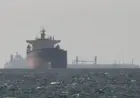
A central focus was the Strait of Hormuz, through which about 20% of the world’s oil supply passes. Satellite-navigation disruptions and attacks on vessels prompted a sharp drop in tanker traffic, with Kpler posting that movements through the corridor fell significantly. The UK Maritime Trade Operations Centre warned of elevated electronic interference that affected systems used to track ships and noted attacks on several vessels on both sides of the strait.
Supply shocks, consumer prices and the policy backdrop
Higher crude and natural gas prices raise the prospect of costlier gasoline for U. S. drivers and higher prices for other goods that depend on energy for production and transport. The price increases compound an environment where consumers in many countries have already been squeezed by inflation, amplifying the potential for renewed price pressures in consumer markets.
Officials and market monitors have flagged two immediate transmission channels: maritime disruptions that choke short-term flows and producer actions that remove capacity from the market. Qatar’s production halt represents an official supply reduction, while the attacks and interference in the strait have impeded shipping and raised insurance and transit costs for shippers.
Analysts note that the sequence—strikes on Iran, interruptions to tanker navigation and producer shutdowns—created a cascade of impacts: tighter physical oil and gas availability pushed prices higher, which in turn prompted equity investors to reassess near-term corporate earnings and economic growth, triggering the plunge in major indexes.
Markets will be watching whether tanker traffic normalizes and if any additional producing capacity returns online. For now, the combination of an approximately 7–9% rise in oil benchmarks, a more than 40% jump in European natural gas futures, and the roughly 500-point move in the Dow Jones underscores how concentrated supply shocks can ripple through global prices and financial markets.