

























Dubai Airport referenced as crowds flee after missiles intercepted over Doha

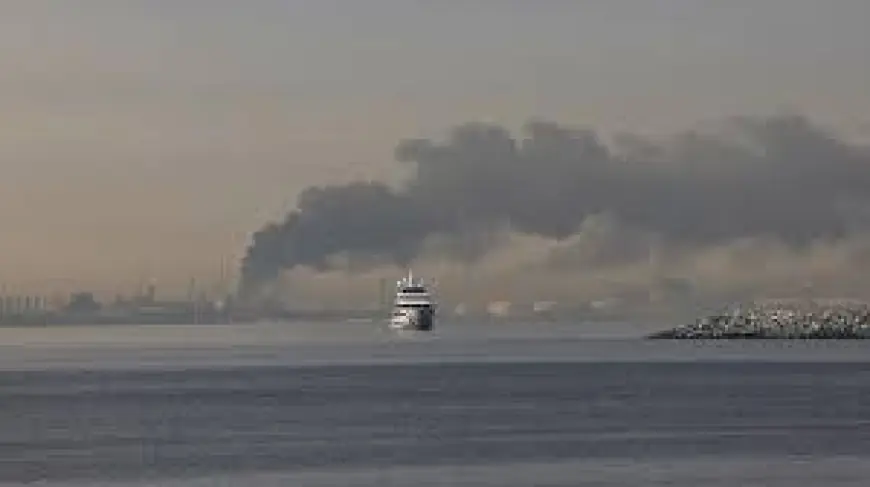
Video from Doha captured people running down a street as a fireball erupted behind them, and Qatar's defence ministry says it intercepted several missiles that appeared to be aimed at the nearby al Udeid air base. The footage and official statements come amid a broader regional picture that includes a three-month-old ceasefire in Gaza, large anti-government protests in Iran and multiple humanitarian warnings—while claims about dubai airport damage are unclear in the provided context.
Doha street video
The visual record shows crowds fleeing as an object falls and sparks a fireball on a Doha street. The immediate effect was mass panic and people running from the blast, captured in widely circulated video. Qatar's defence ministry has said its forces intercepted several missiles, linking the explosions to an apparent attack on military infrastructure.
al Udeid air base and missile interceptions
Qatar described the missiles as apparently targeting al Udeid air base, which it identified as the largest American military base in the region. The interceptions were an official action that, authorities say, prevented strikes on that base; the result visible to bystanders was the blaze and the flight of civilians on city streets.
Gaza aid, ceasefire timeline and UN warning
Since the ceasefire began three months ago, more aid has been allowed into Gaza, but the United Nations says levels remain far short of what is needed. The UN humanitarian chief warned that about 14, 000 babies will die in 48 hours if aid does not reach them, laying out a direct cause-and-effect: constrained access and insufficient supplies lead to acute risk of child mortality. Tom Fletcher, the UN humanitarian chief, described scenes of despair from a recent trip to the coastal enclave and said more aid trucks were entering Gaza though the operation remained a "huge job" to get vital supplies to those in need.
Iran protests, mortuary footage and activist voices
Anti-government protests in Iran have continued into their 13th night, marked as the 13th consecutive day in some accounts, and began on December 28. The protests, which erupted over economic grievances, have expanded into what officials and observers describe as the largest demonstrations in years. Video verified by Persian captured protesters chanting anti-government slogans, and journalists examining the situation have documented intensified state responses. Verify has been examining disturbing mortuary footage from Tehran showing scores of bodies, which could hold clues about events inside the capital. John Sudworth reported that the sounds of heavy machinery can be heard around neighbourhoods, and he has been a prominent voice calling for the protests to continue. Separately, relatives of 26-year-old Erfan Soltani—detained last week—have told Persian he is due to be executed on Wednesday, a development that has added urgency to concerns about arrests and punishments tied to the unrest. The 's Middle East correspondent Hugo Bachega has been speaking to Syrians about how life has changed since the revolution, situating Iran’s unrest in a wider regional context of public upheaval.
Dubai Airport: damage claims unclear in the provided context
Claims that Dubai Airport or the iconic Burj Al Arab hotel were damaged have been circulated in some headlines, but the material provided here does not confirm those reports. The detail of any impact to Dubai Airport is unclear in the provided context; it is not verified by the accounts that document the Doha fireball or the missile interceptions targeting al Udeid.
Manger Square, Bethlehem vehicle and other regional notes
Elsewhere in the region, hundreds gathered in Manger Square for festivities that included music, dancing and Santas bearing sweet treats. The same reporting notes a vehicle that transported the late Pope Francis on a 2014 visit to Bethlehem. In northern Syria and Iraq, Kurdish-run prisons were said to hold about 8, 000 suspected IS fighters and roughly 34, 000 of their family members in camps—numbers that underline a parallel and long-standing security and humanitarian challenge.
What makes this notable is the simultaneity of security incidents, public protest and acute humanitarian warnings across the region: intercepted missiles produced visible panic in Doha; constrained aid access after a three-month ceasefire has left thousands at immediate risk; and a sustained protest movement in Iran is showing new signs of intensity as mortuary footage and reports of executions heighten international concern. Each development has a clear causal link to human consequences—panic and displacement from strikes, mortality risk from aid shortfalls, and escalating repression linked to protest activity—creating a compact but volatile set of challenges for regional authorities and humanitarian actors.