
























Sean Higgins and Johnny Gaudreau Case Update: Blood-Alcohol Dispute Fuels New Push to Dismiss Key Charges After Fatal 2024 Crash

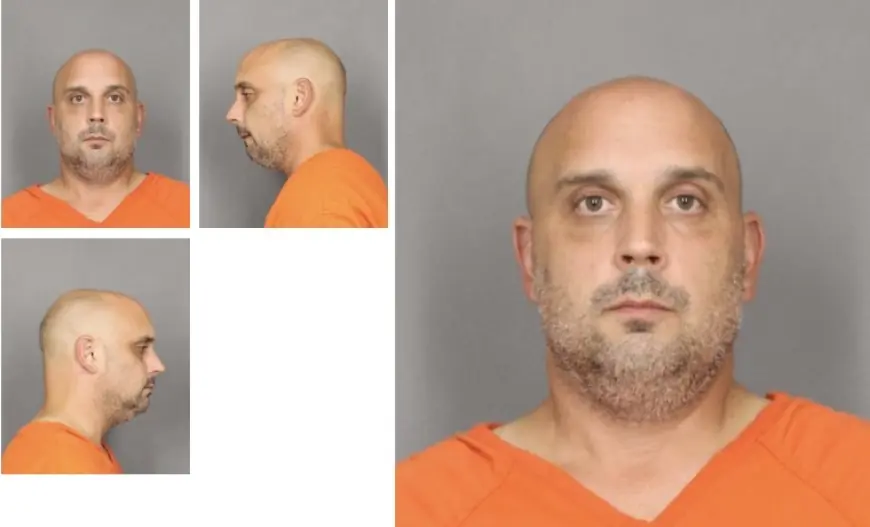
The criminal case against Sean Higgins, charged in the deaths of hockey star Johnny Gaudreau and Gaudreau’s brother Matthew, entered a new phase this week as Higgins’ defense asked a New Jersey court to throw out some charges tied to allegations of drunk driving. The request hinges on a technical but consequential fight over blood-alcohol testing and whether the results presented to the grand jury overstated Higgins’ impairment.
The brothers were killed on August 29, 2024, while riding bicycles on a roadway in Salem County, New Jersey. Prosecutors have alleged Higgins was impaired and driving recklessly when he struck them. Higgins has faced multiple serious counts, including aggravated manslaughter and reckless vehicular homicide, along with additional allegations such as evidence tampering and leaving the scene.
What happened and what the defense is arguing now
At the center of the latest motion is a dispute over how Higgins’ blood alcohol concentration was calculated. Prosecutors have pointed to a result of 0.087, above New Jersey’s 0.08 legal threshold. Higgins’ defense says additional analysis places him at 0.075, below that threshold, and argues that the difference stems from using plasma-based testing rather than whole-blood measurement.
The defense position is straightforward: if the grand jury relied on an inflated figure, the indictment should be revisited and certain charges should be dismissed or re-presented. Prosecutors, for their part, have maintained that their result supports the impaired-driving theory of the case and have signaled they will respond in court filings and hearings as the pretrial process continues.
A key procedural date on the calendar is April 14, 2026 ET, when the case is expected back in court for additional proceedings.
Behind the headline: why a 0.012 difference can reshape the entire case
It’s tempting to treat the dispute as a math problem, but the real stakes are legal and narrative.
Context
This case has always carried two burdens at once: it is a criminal prosecution with technical evidence, and it is a public tragedy involving a prominent athlete. Those two forces pull against each other. Courts are supposed to focus on admissible proof, while public attention tends to amplify moral certainty and emotion.
Incentives
For the defense, narrowing the case from impaired driving to something closer to reckless or negligent driving can materially change exposure and bargaining power. For prosecutors, keeping the impaired-driving component is important not only for the most serious counts but also for the broader accountability story they will need to prove beyond a reasonable doubt.
Stakeholders
The Gaudreau family has an obvious stake in accountability and closure, and the wider hockey community remains invested in the case’s outcome. Prosecutors face scrutiny over charging decisions, lab methods, and how evidence was framed early on. Defense attorneys face scrutiny over whether their challenge is a fair forensic dispute or a tactic to reduce charges in a high-profile matter. The court’s job is to separate those pressures from the legal standards governing indictments and expert evidence.
Second-order effects
This fight can influence how impaired-driving prosecutions are built and contested in other cases, especially when the numbers are close to the statutory line. It can also affect how laboratories and agencies communicate results, since the difference between plasma and whole blood testing is not intuitive to the public but can be pivotal in court.
What we still don’t know
Several facts remain either contested, not fully aired in open court, or dependent on expert testimony that has not yet been tested through hearings:
How the court will treat competing toxicology methods
The defense is effectively asking the judge to treat one approach as misleading or inappropriate for charging purposes. Prosecutors will likely argue their method is accepted or that other evidence of impairment exists independent of the numeric BAC.
What non-BAC evidence will carry the most weight
Even if a BAC falls below 0.08, prosecutors can still pursue theories of impairment depending on observed driving behavior, admissions, field sobriety indicators, open-container evidence, and crash reconstruction details.
Whether plea negotiations will revive
There has been public reporting of significant plea discussions earlier in the case. It remains unclear whether the new toxicology dispute changes the negotiating range or hardens positions on both sides.
What happens next: realistic scenarios with clear triggers
-
The judge narrows the indictment
Trigger: the court agrees the grand jury presentation was materially flawed or that a specific element of certain counts is unsupported. -
The case proceeds with a battle of experts
Trigger: the court declines to dismiss, setting up pretrial hearings where toxicologists and lab standards become central. -
Prosecutors adjust the charging emphasis without dropping the case
Trigger: prosecutors decide the most reliable path is focusing on reckless driving and vehicular homicide theories while still arguing impairment through the totality of evidence. -
A new plea proposal gains traction
Trigger: one side concludes the uncertainty created by dueling toxicology interpretations raises trial risk beyond what they will accept. -
Trial scheduling accelerates after April hearings
Trigger: the court resolves key evidentiary disputes and sets firm deadlines for expert reports, motions, and witness lists.
Why it matters
For the public, the story is often framed as a single question: was Higgins legally drunk. For the legal system, the case is broader: what evidence proves criminal liability for two deaths, and what standards govern how forensic results are presented at the charging stage.
The coming weeks will clarify whether this becomes a narrow technical correction, a major reshaping of the prosecution, or simply the opening move in a longer courtroom fight over science, standards, and accountability.