





















Novak's underrated serve: what coaches and rivals should recalibrate about his most overlooked weapon

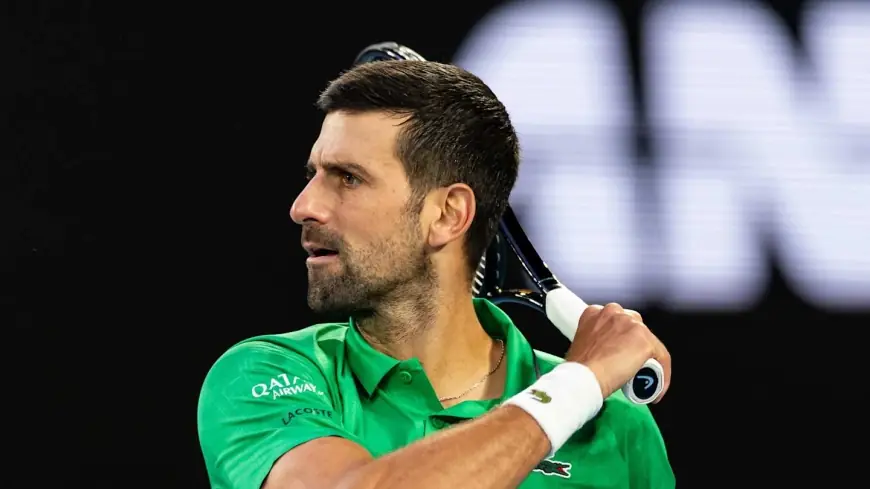
For coaches, rivals and serious fans, the takeaway is tactical: novak's serve is being publicly reframed by peers as a quietly influential part of his game, and that shifts how opponents should allocate practice and match-plan attention. The point is not that the serve is flashy but that it consistently supports his overall completeness; that matters first to those who must design patterns to neutralize him.
What Novak's serve means for opponents and coaches
Here’s the part that matters: if many current players believe the serve is underappreciated, then practice priorities change. Opponents who treat Novak’s serve as secondary risk missing the subtle advantages it provides during tight games. Coaches should balance return drills with scenarios that recreate his first-serve success rate rather than over-focusing only on his groundstrokes or movement.
Peers' commentary and where it came up
Retired tennis player Christopher Eubanks raised the topic while appearing on Andy Roddick's podcast, Served. Eubanks, who never had a chance to face Djokovic in his tennis career, said many current players on tour believe Djokovic's serve doesn't get applauded as much as it should and described it as underrated.
Stat snapshot: how the serve stacks against rivals
- Novak Djokovic: 65% first serves landed; 74% of those first-serve points won; 55% of points won coming off his second serve.
- Roger Federer: 62% first serves landed; 77% of first-serve points won.
- Rafael Nadal: 68% first serves landed; 72% of first-serve points won.
For all three, their numbers fall into the unclear in the provided context.
Mental game, a small crack, and why it matters in matches
Djokovic is described in the provided material as a 24-time Grand Slam winner and one of the most complete players in the sport's history. The same material identifies a recurring vulnerability: a sometimes knack for losing focus or composure in tight matches, which can lead to a significant number of errors. At the same time, he is also called one of the most mentally tough players in tennis—"You don't win that many Grand Slams without being mentally tough. " That tension (elite toughness but occasional lapses) shapes how opponents try to manufacture pressure.
Who feels the immediate impact and how they might respond
Players who stand across the net from novak, their coaches, and match strategists are the first to be affected by this reassessment. Practice schedules, return positioning and serve-receive patterns could shift if teams accept Eubanks' framing. Fans and commentators also change the narrative when the serve is elevated from underplayed detail to deliberate component of match preparation.
What's easy to miss is that elevating the serve in pre-match planning doesn't mean ignoring Djokovic's movement or baseline resilience; it means integrating the serve into a fuller counter-strategy that reflects how peers now describe its role.
The real question now is how widely tour teams will adjust routines after the podcast spotlight—small tactical changes against one player can cascade into larger training trends across crews and academies. Recent coverage placed this conversation in the spotlight; details may evolve as players and coaches react.