






















Why Jameis Winston’s No. 17 Spot on the 2000s QB List Reignites Debate Over brief, High-Impact College Careers

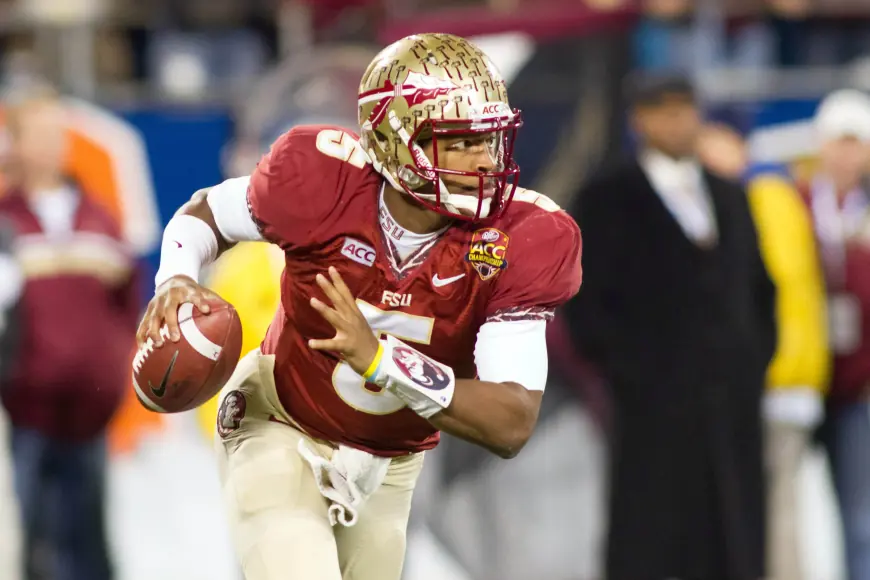
Why this matters now: A new top-100 quarterbacks ranking places jameis winston at No. 17, prompting fresh discussion about how short but explosive college careers are valued against longer, steadier resumes. The list’s placement forces fans and evaluators to balance peak achievements—national title, a runaway Heisman win and a lengthy winning streak—against the simple fact that his college tenure was only two seasons.
Jameis Winston’s concentrated peak and what it asks of ranking lists
Before we get into the list itself: what’s easy to miss is how rare it is for a player with only two collegiate seasons to land in the top quarter of a century-long ranking. That concentration of success — a national championship in his first season of play, an overwhelming Heisman victory, and an unbeaten run at the start of his career — pushes evaluators to weigh peak impact more heavily than duration.
Here’s the part that matters for how future lists might be constructed: do you reward the size of a player’s singular accomplishments, or steady production over a longer span? That tension explains why this placement for jameis winston matters beyond fan talk — it influences the templates that analysts and voters use when assembling all-time lists.
- Winston’s slot invites a clearer definition of “career value” in rankings that span multiple eras and playing styles.
- Players with shorter windows of dominance may see higher placements if peak moments are weighted more than longevity.
- Comparative placements on the same list — including a former Heisman winner placed in the top 10 and other quarterbacks clustered far below — highlight differing criteria across evaluators.
What the ranking said and how other named quarterbacks land in context
The list ranks 100 quarterbacks from the 2000s era. In that compilation, jameis winston appears at No. 17, while another former Seminole quarterback appears much lower on the list. Separately, a former Heisman winner from another program is placed inside the top 10 and has publicly pushed back on that placement, arguing he should be ranked higher. A different quarterback from the same school as that top-10 Heisman winner appears near the bottom of the 100.
Embedded facts about Winston’s college run that shape reactions to the ranking: he played only two seasons, helped his team win a national title that ended a 14-year drought for the program during his redshirt-freshman season, captured the Heisman Trophy by a margin greater than 1, 500 points, and began his career with a 27-game winning streak. Those concentrated achievements are the core reason he surfaces where he does on the list.
Mini timeline:
- Redshirt freshman season: led program to its first national championship in 14 years.
- Heisman season: won the award by a margin exceeding 1, 500 points.
- Career start: opened with a 27-game winning streak.
The real question now is whether future rankings will prioritize these kinds of seismic, short-term impacts the same way. The list’s varied placements — top-10 contention for one former Heisman winner and a much lower slot for other notable QBs — already suggest no single formula governs evaluators’ choices.
Key takeaways:
- Rankings that span decades force a trade-off between peak accomplishments and career length.
- Jameis Winston’s No. 17 placement underscores how potent a two-season peak can be when it includes a championship and a dominant individual award victory.
- Public pushback from other top-ranked quarterbacks highlights persistent debate over evaluation criteria.
- Similar lists will likely continue to vary significantly depending on whether they value impact over longevity.
It’s easy to overlook, but these lists do more than assign bragging rights: they codify how institutions, voters and fans remember a player’s era-defining moments versus their sustained output. Expect few definitive answers and plenty more debate as similar rankings are issued moving forward.