






















Uk response under scrutiny as Trump calls Starmer and RAF jets fly defensive missions

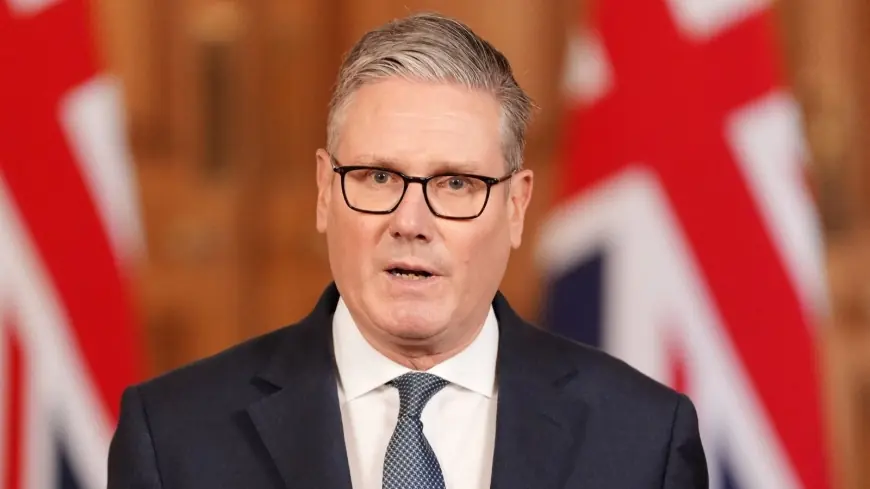
The Uk stands apart from the initial US-Israeli strikes on Iran after a brief, White House-instigated phone call between Donald Trump and Prime Minister Sir Keir Starmer, a conversation framed publicly as a discussion of developments in the Middle East and taking place amid defensive British air operations in the region.
Uk stance and the Trump phone call
Chris Mason noted the call was brief and instigated by the White House. Downing Street's public readout described the leaders as discussing the situation in the Middle East, while also glossing over the more direct diplomatic reality: the UK, alongside France and Germany, were neither involved in the American and Israeli attacks nor endorsing them. The prime minister has repeated long-standing condemnation of Iran and of its retaliatory actions against Israel and several Gulf nations that host US military bases.
Defensive RAF missions and regional deployments
Sir Keir has emphasised that British warplanes are airborne in the region in a defensive capacity and that those operations are in line with international law, offering protection for allies facing attacks from Iran. RAF jets have been described as "in the sky today" to protect allies from retaliatory strikes. Fighter jets were running defensive operations from Qatar and Cyprus to intercept incoming drones and missiles. Recent UK deployments include RAF Typhoons to Qatar to protect al-Udeid airbase and other allied facilities, and an extra six F-35s plus additional air defence, radar and counterdrone systems to RAF Akrotiri in Cyprus, from where they could be tasked to defend Israel, Jordan or other regional partners.
UK political fallout and the domestic debate
The domestic political reaction has divided broadly along right and left lines. The Conservatives and Reform UK accuse Sir Keir of sitting on the fence and failing to offer adequate support to America, for example by not making British bases available to the US air force. The Liberal Democrats and the Scottish National Party have expressed scepticism about President Trump's actions. The prime minister's stance is informed by a Labour party still haunted by the memory of the Iraq war, and he appears to be balancing international pressure from those on the left who demand condemnation of the strikes as illegal and unjustified against those on the right who want overt support for the US.
Risks to British nationals, travel and trade routes
There is clear concern within government about the many British people in the Middle East and those travelling through major regional hub airports. The Foreign Office has reactivated its Register Your Presence system for Britons in many Middle Eastern countries so officials know where citizens are and can keep in touch. British nationals in Bahrain, Kuwait, Qatar and the United Arab Emirates were advised to shelter in place following reports of Iranian missile attacks, while the Foreign Office advised against all travel to Israel and Palestine. Separately, two ships were hit near the Strait of Hormuz, a vital artery of world trade and oil shipments which sits below Iran, raising immediate worries about what blockages could mean for inflation, interest rates and the cost of fuel.
International dynamics, military objectives and crisis management
The US and Israel have begun a wide-ranging campaign aimed at regime change in Iran and at bombing nuclear and missile sites, a campaign that, it is understood, did not involve the UK in the first waves and for which British airbases were not used by the US air force as part of the attack. The prime minister previously rejected a request from Donald Trump to use RAF bases in Diego Garcia and Fairford earlier this month. Starmer chaired the government's emergency Cobra committee to discuss the UK's response. In a joint statement with the French and German leaders Emmanuel Macron and Friedrich Merz the UK made clear: we did not participate in these strikes, and the three leaders said they were in contact with the US, Israel and other regional allies while condemning Iranian attacks on countries in the region and urging a negotiated solution that would allow the Iranian people to determine their future.
Government messaging has focused on preventing further escalation: a government spokesperson said Iran must never be allowed to develop a nuclear weapon and that the immediate priority is the safety of UK nationals, with consular assistance available 24/7. The statement added that longstanding commitments to the security of allies underpin a range of defensive capabilities recently bolstered and that the UK stands ready to protect its interests while seeking to avoid wider regional conflict.
Developments continue to evolve: there are reports of three US service members killed in an Iran operation and Israeli rescuers saying nine dead in an Iran strike, and commentary notes months of planning behind the US-Israeli mission to target Iran's supreme leader. The situation follows an already turbulent start to 2026 on both military and diplomatic fronts, with earlier events in places such as Venezuela and Greenland and domestic controversies including the Epstein files and Lord Mandelson. The full consequences of the current crisis remain not entirely knowable. In a lighter cultural aside from the period, Catherine shared a first message entirely in Welsh for St David's Day.