























March Madness Bracket: march madness bracket projections put Miami (Ohio) on watch

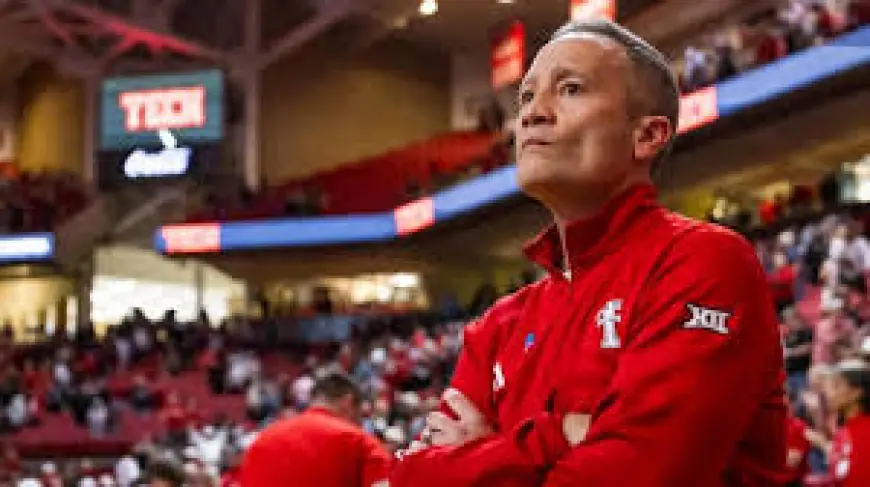
Bracketology projections that place No. 1 seeds under pressure while an undefeated Miami (Ohio) may not be a lock create an immediate seeding storyline. That development matters now because conference records and a handful of remaining regular-season games, plus conference tournaments, will determine who avoids the First Four and how the march madness bracket shapes up.
No. 1 seeds’ margin for error
Recent bracket projections note that top seeds such as Duke and Arizona face tests but still retain some margin for error. The phrasing suggests those teams are not immune to upset risk, yet remain positioned to absorb at least limited slip-ups without losing top-seed status. That margin will affect how aggressive bracket makers are when placing potential challengers and assembling projected matchups.
march madness bracket bubble watch
One striking wrinkle: Miami (Ohio) is the only remaining undefeated team and has been described as 28-0, yet is still identified as a possible bubble team if results change. The scenario laid out is clear and conditional: if Miami (Ohio) loses one or more of its final three regular-season games and does not win the MAC tournament, it could fall onto the bubble. The context emphasizes two drivers behind that concern — a weak non-conference schedule and a conference perceived as less strong — even as an unbeaten record stands out.
Several other teams are also called out as needing strong finishes. Missouri’s non-conference slate is characterized as porous, with a best non-conference win over Minnesota and losses to Notre Dame, Kansas and Illinois. Missouri is said to be healthier now, sitting 9-6 in conference play with games remaining against Mississippi State, Oklahoma and Arkansas; a 2-1 finish is described as likely to keep the Tigers out of a First Four game in Dayton.
Auburn is noted as struggling, with a 6-9 mark in conference and a recent 91-79 loss at Oklahoma. Auburn has lost six of seven games, the lone recent win coming at Kentucky in a game referenced for contentious officiating comments. Auburn’s remaining slate includes Ole Miss and LSU before a regular-season finale at Alabama, and the portrayal raises questions about how many of those games are truly safe wins.
Texas is depicted as needing one win across its next three games to guarantee a. 500 conference record; the Longhorns came off an 84-71 home loss to No. 7 Florida and sit 8-7 in league play. TCU’s recent surge is described as five wins in six games after an earlier four-game Big 12 losing streak; a 10-8 conference finish combined with a Big 12 tournament victory is framed as the path that should be enough to make the field. Ohio State’s prospects are flagged as fading, following a 74-57 loss that left the program 9-8 in Big Ten play and marked its third loss in four games.
March Madness Bracket implications
The most concrete conditional scenarios in play will directly reshape seeding if realized. If Miami (Ohio) slips in the final regular-season games or fails to win the MAC tournament, its seed could fall into double digits, introducing a strong mid-major into matchups that power-conference teams in the Nos. 6–7 seeds will aim to avoid on Selection Sunday. For Missouri, a 2-1 finish in conference stands as an observable indicator that would likely keep the Tigers out of the First Four in Dayton. For TCU, reaching 10-8 and capturing a conference-tournament win are explicit thresholds noted that should secure NCAA inclusion.
With only a handful of regular-season games remaining and conference tournaments approaching, the march madness bracket remains fluid. Observable indicators — conference records, remaining opponents and tournament outcomes — will be the determinative inputs for final seeding and First Four placement.
- Key takeaways: Miami (Ohio) can still be on the bubble despite an undefeated record; Missouri, TCU and others have clear, measurable paths to safer seeds; late regular-season results and conference tournaments will decide several projected First Four candidates.