























Shivam Dube in focus as India reach T20 World Cup semis and IPL 2026 looms

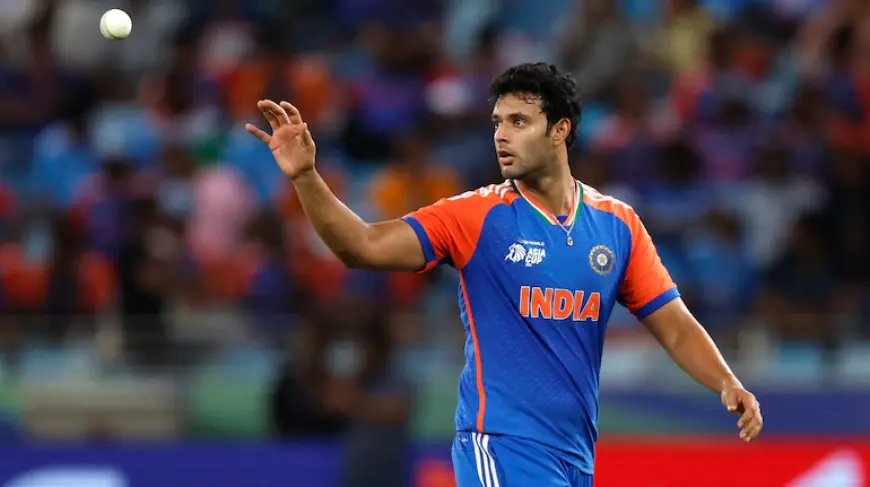
Shivam Dube’s tournament has become a snapshot of modern T20 pressure: match-winning power with the bat, scrutiny when used as a bowling option, and a constant cloud of fitness watch in a packed calendar. On Sunday, March 1, 2026 (ET), India clinched a semi-final spot at the Men’s T20 World Cup with a high-scoring chase against West Indies, keeping Dube firmly in the conversation as the team’s left-handed middle-overs hitter heads toward the business end of the tournament and then straight into IPL 2026 buildup.
Dube remains part of India’s World Cup squad as an all-rounder, but his role has been fluid—used primarily for impact batting while his overs with the ball have come under sharper evaluation after a costly outing earlier in the Super 8 stage.
India’s semi-final push raises stakes
India’s five-wicket win over West Indies on March 1 (ET) was a statement chase: 196 required, 199 scored with four balls to spare at Eden Gardens in Kolkata. The result sends India into the semi-finals, where the next matchup is set against England in Mumbai.
For Dube, qualification changes the context around selection and roles. In knockout games, teams typically shorten experiments: batters are asked to maximize defined phases, and bowling plans tighten around specialists. That matters because Dube’s value is clearest when he gets a stable hitting brief—especially as a left-hander who can disrupt matchups against spin and medium pace.
The Zimbabwe spell that put Dube under a microscope
Dube’s most discussed moment of the Super 8 came against Zimbabwe, when he conceded 46 runs in two overs. That figure stood out not only because of the match situation, but because it set a tournament benchmark: it was cited as the most runs conceded by a bowler in the first two overs of a Men’s T20 World Cup match.
The spell included multiple extras, and it reignited a familiar debate around Dube’s “all-rounder” label at the international level: is he a genuine sixth-bowling option in high-leverage games, or a batter who can fill overs only under specific conditions?
Teams can live with an occasional expensive over from a part-time option if it buys flexibility elsewhere, but two overs going for 46 narrows captains’ margins in knockouts—especially against lineups built to punish anything short of disciplined pace or high-quality spin.
Fitness watch after a practice scare
Dube also drew attention in the days leading into the Zimbabwe match when he appeared to hurt his hand during a catching attempt in training. Early clips and updates showed him receiving treatment, raising short-term concern over availability and impact—particularly because his biggest contribution is often his ability to clear the rope against spin, which depends heavily on grip strength and top-hand control.
As of the latest match action, he has continued to be involved with the squad, but training incidents like this can still affect how a player is managed: fewer fielding drills, a more protected boundary role, or a narrower batting brief to reduce risk.
How India may use him against top attacks
Dube’s selection case is straightforward when India expects a spin-heavy middle phase: he can change the tempo quickly and force captains to abandon defensive matchups. That’s a valuable skill in venues where teams often try to squeeze runs between overs 7 and 15.
The tradeoff is how India balances that batting upside against bowling risk. In a semi-final, the safer approach is usually one of these:
-
Treat Dube as a pure batting option and avoid using him unless conditions are unusually favorable.
-
Hold him back as a matchup bowler only if a specific batter is struggling against his pace and angle.
-
Use him for a single over rather than a two-over block, to limit exposure if the plan goes wrong.
IPL 2026 angle: retained and central again
Dube’s next stage is already defined: he has been retained by Chennai Super Kings for IPL 2026, keeping him in a core group expected to carry the middle order. His role there is clearer than in international cricket—attack spin, hit into the stands, and shift games in a handful of deliveries.
IPL form has been a major driver of his India T20 value in recent years, so a strong finish to the World Cup followed by a clean run into the league could strengthen his standing ahead of the next international cycle. Conversely, if bowling becomes a persistent weakness opponents can target, teams may try to “game-plan” him more aggressively with matchup bowling and boundary riders that force lower-percentage swings.
Timeline: the moments shaping his 2026
| Date (ET) | Event | What it meant for Dube |
|---|---|---|
| Feb 27, 2026 | Super 8 match vs Zimbabwe | Conceded 46 in two overs, with costly extras; bowling role questioned |
| Late Feb 2026 | Training incident | Hand injury concern surfaced after a catch attempt |
| March 1, 2026 | India vs West Indies Super 8 | India reached semi-finals; roles likely to tighten for knockouts |
| IPL 2026 season ahead | Retained by CSK | Set to remain a key middle-order power option |
What to watch next
Dube’s next chapter hinges on two practical indicators: whether India continues to treat him as a genuine sixth bowler, and whether his batting is used early enough to influence the match before the final overs become a scramble. In a semi-final, a 15-ball cameo can be the difference—especially if it forces the opposition to change bowling plans and burn matchup overs earlier than intended.
If he delivers that kind of impact while staying fit, the conversation quickly flips from “can he be trusted with the ball?” to “how do you stop him when spin is on?” That’s the version of Shivam Dube India and Chennai both want entering the biggest games of 2026.