























Maxence Lacroix and the ripple from Elland Road’s Ramadan pause: who felt it first and why it matters

The moment at Elland Road — where play was briefly halted so Muslim players could break their fast — landed most directly on the athletes and matchday culture. maxence lacroix appears in search-driven headlines, but the clearest immediate impact was on the players who paused at the sideline, the team staff managing the interruption, and the supporters who witnessed it. This is about stadium norms and how clubs handle visible religious observance under the public gaze.
Maxence Lacroix and the immediate human impact: players, staff and stadium atmosphere
Here’s the part that matters: a short in-game stoppage intended to let fasting players have fluids and nutrition became a flashpoint when a section of the crowd booed. The most immediate effects were psychological — players needed a brief moment to rehydrate and refocus, staff had to manage substitutions and nutrition on the fly, and the stadium atmosphere shifted from routine to charged. Club leadership and coaching staff publicly expressed disappointment, and a well-known anti-discrimination group called the reaction massively disappointing while reminding clubs that these pauses are an established protocol.
- Players affected: those observing Ramadan who used the pause to take fluids and vitamins.
- Staff response: coaching staff noted the need to learn from the reaction and to reinforce education around diversity.
- Matchday protocol signal: the pause is an agreed practice at certain kickoff times when sunset falls during the game.
What’s easy to miss is how a single short pause can become a public test of stadium education and tolerance — the logistics are simple, but the cultural response is the harder part to change.
Event details and the operational picture
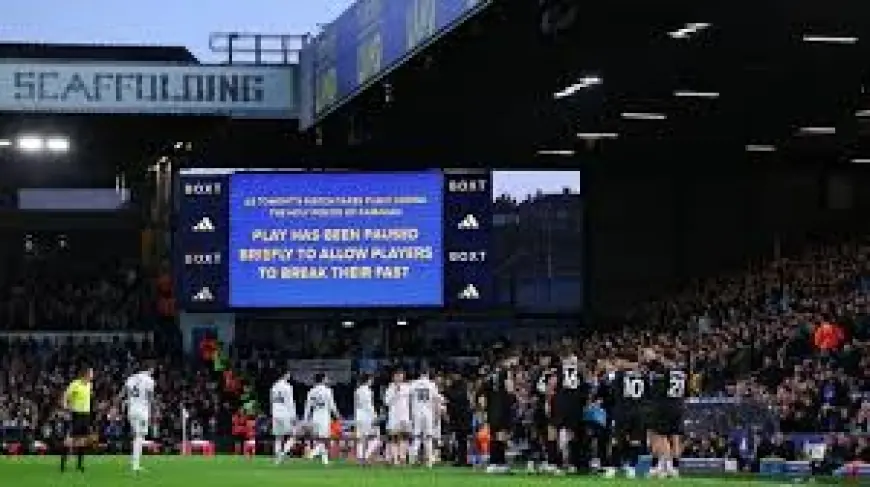
The match at Elland Road kicked off in the late afternoon and was paused in the 13th minute so players could take on fluids after sunset. A message on the stadium big screen explained that the stoppage was to allow players observing Ramadan to break their fast. Several named squad members were identified as participating in the ritual, with one additional player listed as available on the bench. Despite the on-screen explanation, audible boos were heard from a portion of the crowd.
The team manager condemned the reaction and framed the pause as a matter of respect for religion and diversity; coaching staff described the episode as disappointing and said there was a need to do better. An anti-discrimination organization emphasized that such pauses have been an agreed protocol for several years and labeled the jeering as a setback for efforts to make the game welcoming for Muslim players and communities.
Micro timeline (operational context):
- Kickoff took place in the late-afternoon slot when sunset can fall during the match.
- The stoppage occurred early in the first half to permit fasting players to rehydrate.
- Post-match, coaching staff and an anti-discrimination group publicly expressed disappointment and called for better education and acceptance.
Bulleted takeaways:
- Short protocol, long-term implications: a minute or two in a game can highlight gaps in fan education.
- Players’ routines were accommodated, but the crowd reaction underlined persistent cultural frictions.
- Club staff signaled a willingness to learn; the anti-discrimination group flagged the need for broader acceptance.
- Visible, agreed protocols are only effective if stadium communities understand and respect them.
The real question now is whether clubs and fan groups will use the episode to improve understanding, or whether similar interruptions will continue to generate controversy. Signs to watch for will be clearer pre-match communications at stadiums, fan-education initiatives, and follow-up statements from clubs and player groups. Recent comments from management stressed respect, nutrition management and that the pause is an accepted part of match operations in this scheduling window; details may evolve as clubs respond.
The bigger signal here is that matchday procedures can force a public conversation about religion and inclusion — how that conversation is guided will shape whether this becomes a teachable moment or a recurring flashpoint.