























Iran’s Retaliation Claims Three U.S. Service Members: Current Updates

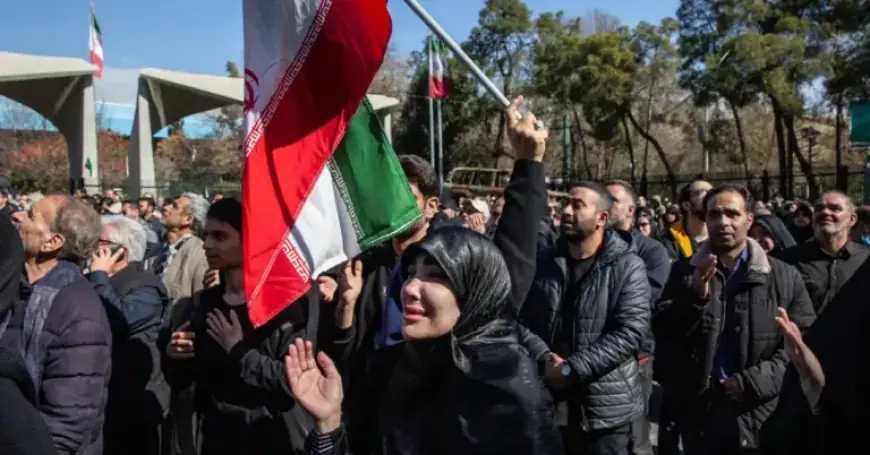
Recent protests in Pakistan resulted in the deaths of at least 22 individuals as citizens expressed outrage against U.S. and Israeli airstrikes in Iran. Demonstrations erupted across major cities, including Karachi and Islamabad, with a significant incident occurring at the U.S. Consulate in Karachi.
Protests in Response to U.S. and Israeli Airstrikes
The violent protests began on Sunday, with at least 10 casualties reported in Karachi alone, according to police surgeon Summaiya Syed Tariq. Additional protests led to fatalities in Islamabad and the northern region of Gilgit-Baltistan.
- 10 people killed in Karachi.
- 2 deaths reported in Islamabad.
- 10 fatalities in Gilgit-Baltistan.
Impact on Regional Stability
The airstrikes have heightened tensions and fears across Iran’s eastern borders, particularly affecting Afghanistan and Pakistan. Both countries have significant Shiite Muslim populations influenced by Iran, making them vulnerable to the regional fallout.
Adam Weinstein, a deputy director at the Quincy Institute in Washington, noted that this situation marks the most serious crisis in U.S.-Pakistan relations since 2011. Despite Pakistan’s military capacity to suppress protests, political pressures are mounting due to their alliance with the U.S.
The Shiite Community’s Reaction
Thousands took to the streets in both Karachi and Islamabad, demonstrating solidarity with Iran. Asghar Jaffer, a Shiite student activist, emphasized the deep emotional impact of attacks on Iran. “When Iran is attacked, we feel our faith, identity, and existence are targeted,” he stated.
Pakistan’s Diplomatic Position
Pakistan’s foreign ministry condemned the airstrikes but refrained from explicitly naming the U.S. or Israel. The government also denounced Iran’s retaliatory actions.
Furthermore, a defense pact between Pakistan and Saudi Arabia stipulates that any attack on one nation signals aggression towards the other. This ongoing tension affects many, as Pakistan facilitates around $20 billion in remittances from Gulf workers. With the current instability, citizens may hesitate to work abroad, impacting economic welfare.
Potential Economic Consequences
The unrest also threatens remittances crucial for both Pakistan and Afghanistan. Afghan workers in Iran contribute substantially to their families back home. Hussain Akhlaqi, a clothing shop owner in Herat, highlighted the reliance on these funds, stating the local economy depends on the financial assistance from abroad.
- Remittances from Gulf countries amount to roughly $20 billion annually for Pakistan.
- Many Afghan families depend on funds from relatives in Iran, vital for local businesses.
Future Concerns in Balochistan
Despite the challenges, Pakistan faces pressure to regulate border issues with Iran. A proposed change in border crossing policies may hinder the longstanding practice of family visits and trade, threatening livelihoods in the border regions.
Khair Baksh, a trader in the border town of Mand, expressed the urgency of stability, stating, “Our livelihoods depend on stability in Iran. When conflict grows there, it directly threatens our survival here.”