























Bahrain strikes heighten strategic doubts — Bbc News Uk angle on air-defence gaps and US readiness

Videos that appear to show missiles and drones striking the vicinity of the US Fifth Fleet headquarters in Bahrain have focused attention on vulnerabilities in regional air defences, a development that matters for how the US might respond to Iranian retaliation. news uk coverage highlights the breached defences, rising deployments and the limits of current systems.
News Uk assessment: what the visuals reveal
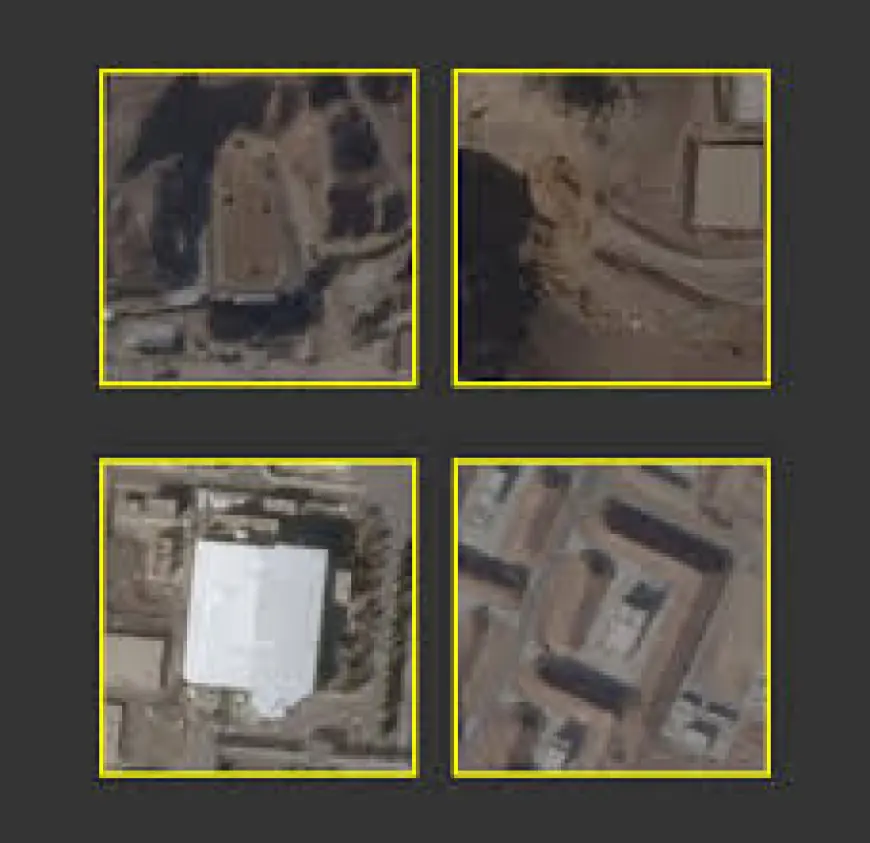
Footage circulating after the strikes appears to show missiles and drones impacting close to the US Fifth Fleet headquarters in Bahrain. As yet there are no reports of casualties. The US military likely had some warning of the attack and took precautions to evacuate personnel. The images have prompted questions about how well protected high-profile bases in the Gulf actually are against relatively low-cost aerial threats.
Drone breach and the Shahed vulnerability
That vulnerability was underscored by video showing a relatively slow-moving Iranian Shahed drone breaching Bahrain's defences. Tom Sharpe, a former Royal Navy Commander, says Bahrain was likely seen as a high-profile target that has in the past had relatively little in the way of air defences. In other conflicts, such Shahed-class drones can often be shot down with a relatively simple high calibre machine-gun, but the footage suggests gaps remain where such low-speed craft can penetrate.
US air-defence deployments and persistent shortfalls
Over the past few weeks, additional air-defence systems have been sent to the region, including THAAD and Patriot Systems that are designed to intercept ballistic missiles. These systems are sophisticated but expensive and limited in number. For context, Ukraine has fewer than 10 Patriot batteries and still struggles to defend the capital, Kyiv. It remains unlikely that the US has sufficient numbers of these systems to protect every base and interest across the Middle East.
Naval and air assets in play
The US Navy has deployed around a dozen Arleigh Burke-class destroyers to the Gulf and the eastern Mediterranean. These air-defence destroyers can shoot down drones and ballistic missiles and have already proven effective in the Red Sea against the Iranian-backed Houthi rebels in Yemen. Between 2024 and 2026, US forces intercepted nearly 400 Houthi drones and missiles, illustrating both capability and the high operational tempo required to maintain area defence.
US fighter jets, also sent to the region, are capable of intercepting drones and missiles; the US now has more than 100 jets in the region. Even so, these combined capabilities are unlikely to guarantee protection for every potential target, leaving some facilities exposed to successful strikes.
Iran’s inventory and the strike calculus
Before these latest US and Israeli strikes, Iran probably possessed an arsenal of around 2, 000 short-range ballistic missiles. It also fields many more one-way attack drones. That mix of simpler, low-cost drones and larger ballistic threats complicates defence planning: intercepting every incoming threat would require both volume and layered systems that are often scarce and costly.
Digital friction for readers and access note
Some readers seeking more on these developments encountered a verification prompt asking them to click a box to confirm they are not a robot. The prompt reminded users to ensure their browser supports JavaScript and cookies and that those functions are not being blocked. For further information the page advised reviewing Terms of Service and Cookie Policy, and invited inquiries to a support team with a reference ID for follow-up. It also promoted a subscription option for access to global markets news.
What happens next will depend on whether deployed defences can be scaled or repositioned to cover high-value targets, and on how the US and regional partners adjust posture in response to demonstrated gaps. news uk interest in the strikes reflects broader concerns about balancing limited defensive assets against a growing array of aerial threats.