

























Formula 1 will be harder to follow for fans in 2026, drivers warn

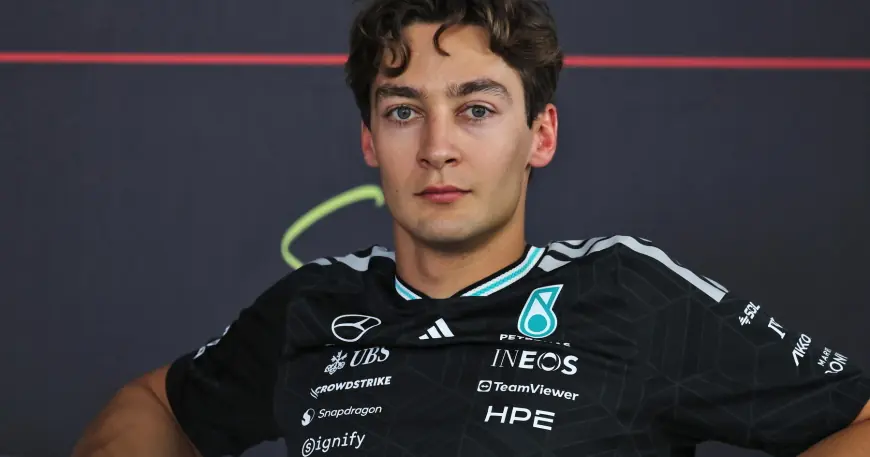
Top drivers say formula 1 will be harder to follow in 2026 because new rules force far greater energy management and change how cars are driven. Max Verstappen, George Russell and others have described the shift as dramatic, and teams are already adjusting after pre-season testing in Bahrain.
Drivers call the new cars more complex — but still demanding
At last season's pre-season test in Bahrain, multiple world champions and newcomers voiced frustration and surprise at the new hybrid rules. Max Verstappen summed up the feeling with the blunt line "Not Formula 1" when discussing the need to manage energy in the new cars, while Lewis Hamilton called the package "ridiculously complex" and Fernando Alonso said "the chef could drive the car at that speed. " Lando Norris called it "not the purest form of driving. " Despite those complaints, several drivers — including George Russell and Kimi Antonelli — said they remained on the limit of the available grip in corners the vast majority of the time, signaling that traditional car control still matters on track.
Formula 1 reshaped by batteries, harvesting and track type
Teams face a technical reset for 2026 with the power units now delivering half their output from beefed-up batteries, a change that shifts emphasis to harvesting and re-deploying energy. George Russell described an "intriguing" game opening up in early 2026 races as drivers and engineers figure out different energy-deployment approaches. Russell added that because the cars have less aerodynamic disturbance, "the variability in energy deployment between the cars and drivers... will probably far outweigh the aero turbulence. "
Some corners become power puzzles — Sakhir and Melbourne will differ
Drivers and engineers say circuit layout will matter more than before. Oliver Bearman noted that at Bahrain some turns have become more power-limited than corner-limited, naming Turn 12 and Turn Seven as examples where last year's approach no longer applies. Heavy braking circuits such as Sakhir and Canada's Gilles Villeneuve should make harvesting easier, while long straights and sweeping corners at Australia's Albert Park and the Jeddah Corniche will make energy recovery more difficult, forcing distinct driving styles at each venue.
What this means on race day and what comes next
Team principal Andrea Stella described the Bahrain testing outcome as confirmation that the sport remains an "ultimate challenge, " even if that challenge is now framed around energy strategy as much as outright downforce. The immediate consequence is that drivers will spend races balancing battery deployment and harvesting as a core part of lap management rather than treating energy only as a marginal factor.
Teams and drivers will test those approaches in the early 2026 races at venues highlighted by the drivers — Sakhir, Melbourne, Jeddah and Gilles Villeneuve — where the differing layouts will quickly expose which styles and energy-deployment strategies work best. Those events will be the next practical tests of whether a faster driver can still beat a slower one under the new rules, and how much variance in race performance comes from driving style versus setup choices.