






















Bbc Nees: Starmer’s Trump Call After UK Joins Defensive Operation as Europe Urges Negotiated Solution

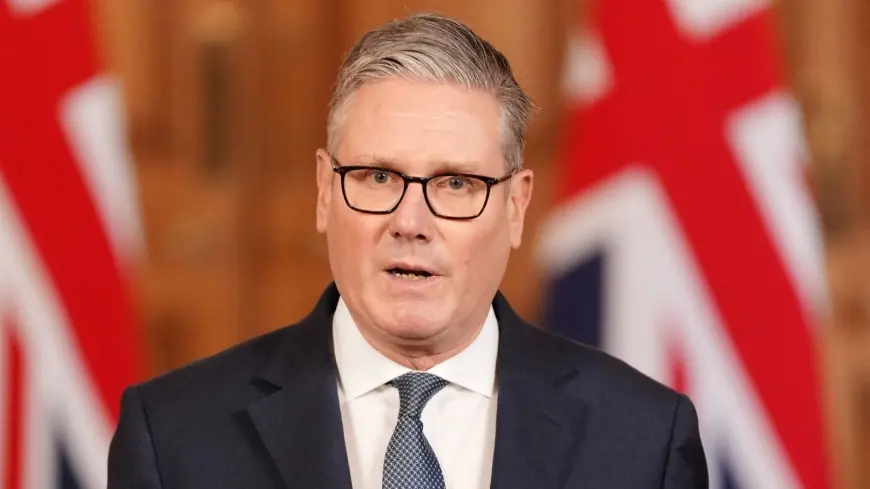
The latest coverage shows the prime minister spoke to Donald Trump after the United States and Israel launched strikes across several Iranian cities, including the capital Tehran, while British planes were deployed in the region as part of a defensive operation to protect people, interests and allies. nees coverage notes the UK did not take part in the strikes and European leaders pressed Iran to seek a negotiated solution.
Nees: Starmer’s phone call and the UK defensive posture
The prime minister reiterated in his call with the US president that British planes were "in the sky" in the Middle East as part of a defensive operation "to protect our people, our interests and our allies. " He made clear that the UK was not involved in the US-Israeli strikes, which were launched after negotiations to limit Iran's nuclear programme ended without a deal. nees material highlights that protections for British bases and personnel have been stepped up to their highest level and that Starmer chaired a meeting of the government’s Cobra emergency committee to discuss Britain’s response.
Joint European statement and the push for negotiation
The leaders of France, Germany and the United Kingdom released a joint statement urging Iran to "refrain from indiscriminate military strikes" and to seek a negotiated solution. The statement, signed by the leaders of those three countries, said they had not participated in the strikes and reiterated a commitment to regional stability and the protection of civilian life. It called on Iran to end its nuclear programme, curb its ballistic missile programme, cease destabilising activity in the region and stop the violence and repression against its own people, adding that the Iranian people must be allowed to determine their future.
Domestic political pressures shaping Starmer’s response
The prime minister is under pressure from both the left and the right over the American attacks: some on the left want a full condemnation of the US strikes as illegal and unjustified, while those on the right seek open support for the United States. That tension is amplified by a Labour party still haunted by the Iraq war, making military intervention in the Middle East a sensitive political issue. Starmer has taken a cautious diplomatic path, stressing that the UK’s defensive activity is "in line with international law" while also stopping short of directly endorsing the strikes.
Security actions and operational details
A defensive UK posture in the region includes planes deployed to protect UK interests and tightened protections for bases and personnel. It is noted that the prime minister is thought to have previously blocked US requests to use UK bases over concerns about breaching international law despite the US president wanting to do so. Separately, the defence secretary has revealed details of the UK's Middle East operations, including taking down Iran drones, reflecting an active defensive stance rather than participation in the US-Israeli strikes.
Regional fallout, diplomatic maneuvers and wider reactions
The US-Israeli strikes prompted a promise of a "crushing" response from Iran's Supreme National Security Council and led to retaliatory attacks described by the prime minister as "indiscriminate" and directed at partners across the region, including countries not party to the conflict. The situation has caused major disruption to air travel and regional security, with hundreds of thousands of Britons potentially affected. In Dubai, four people were injured after an "incident" at a building in the Palm Jumeirah area, with eyewitness images showing a plume of smoke near the Fairmont The Palm hotel.
EU actions and calls for restraint
European institutions are exploring diplomatic paths with Arab nations and have called on all parties to exercise maximum restraint to protect civilians and respect international law. The European Commission president described the developments as greatly concerning and said the EU was in close contact with diplomatic partners. The EU’s Aspides naval mission remains on high alert in the Red Sea and stands ready to help keep the maritime corridor open. One European leader has called for an urgent meeting of the UN security council, arguing the escalation has serious consequences for international peace and security and must stop.
Across statements and emergency meetings, leaders urged Iran to give up weapons programmes and cease violence and repression, while also stressing that the UK did not participate in the strikes and remains in contact with international partners, including the United States and Israel. The unfolding situation continues to produce immediate security measures and diplomatic outreach, with political pressures at home shaping the UK response and regional actors calling for negotiation rather than further escalation.