























Burj Al Arab: What Dubai expats in rooftop bars should expect as airport strike reports and access checks complicate the news flow

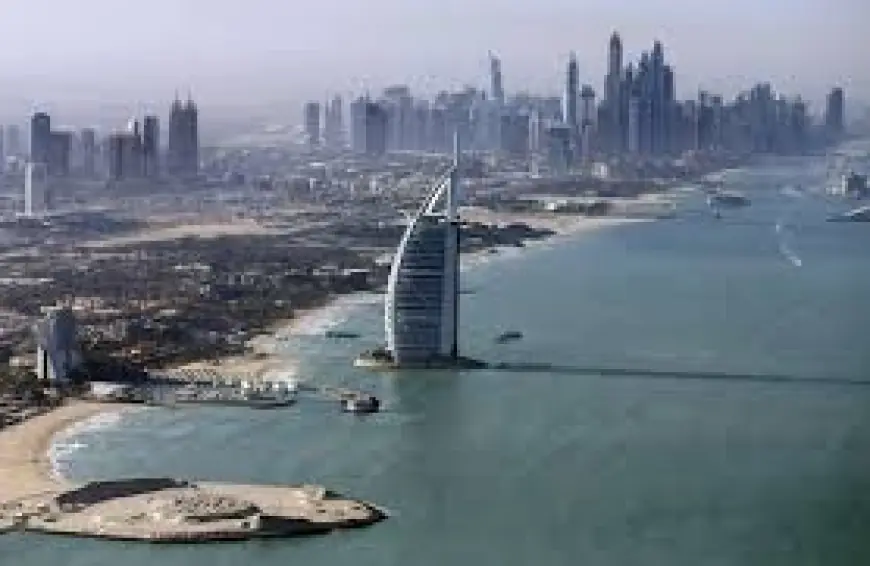
For Dubai residents and visitors lingering in rooftop bars, the immediate effect is not just the headlines themselves but how quickly and reliably they can reach updates about safety and travel. burj al arab appears in conversations and searches as people try to understand ongoing airport damage and injuries, while some readers encounter a verification prompt that asks them to confirm they are not a robot before continuing. Here's the part that matters: moments of social uncertainty are being amplified by both violent incidents and friction when accessing live reporting.
What this means for expats and visitors on the ground
When a handful of high-profile incidents surface, patrons in rooftop bars — including expats and tourists — often rely on immediate coverage to decide whether to stay, leave, or change plans. The provided headlines underline two stressors that are shaping behavior: the image of people bracing in public social spaces, and reports of physical damage and injuries at a key airport. burj al arab is one of the place names that gets pulled into these conversations even if it is not directly tied to the incident itself.
Event details embedded in the reporting context
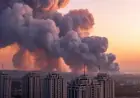
Headlines in circulation include: “In the rooftop bars of Dubai, expats brace for what tomorrow may bring, ” and two items focused on an airport: “Four injured as Dubai airport sustains damage from Iranian missile strike, ” and “Dubai Airport Damaged in Strike After Iran Retaliates Attack. ” Those phrases capture the two linked threads readers are following right now — civilian unease in social venues and damage plus injuries at an airport tied to a cross-border strike sequence.
Access friction: the verification prompt many readers encounter
Some readers who try to continue reading a story see a verification message that asks them to take one action before access is granted: "To continue, please click the box below to let us know you're not a robot. " The prompt also tells users to ensure their browsers support JavaScript and cookies and that those features are not being blocked from loading. For more information users are told they can review the Terms of Service and Cookie Policy. It includes a note that for inquiries related to the message users should contact the support team and provide the reference ID shown. Finally, the message suggests that the most important global markets news is available with a subscription offer.
Micro Q&A to clarify immediate practical concerns
Q: Will rooftop patrons see official updates faster than others?
Not necessarily; access can be disrupted for anyone who encounters verification prompts or subscription gates before they reach live updates.
Q: How serious are the airport reports?
The headlines state that four people were injured and that the airport sustained damage from an Iranian missile strike; other specifics are unclear in the provided context.
Q: What should readers do if they hit a verification prompt?
The prompt asks users to click the verification box, check that JavaScript and cookies are enabled, and contact support with a reference ID if they need help.
It’s easy to overlook, but access mechanics can be as consequential as the news itself when people need to make quick decisions about travel or personal safety.
Writer's aside: The bigger signal here is how information friction and geopolitical events combine to shape daily choices in public spaces; that pairing is what residents and visitors will feel first, even before official statements are available.