
























Follow Market Trends, Not the Initial Shock

Dan Heath’s parable in Upstream frames a choice between constant rescue and solving root causes. One person keeps pulling children from the water. The other walks upstream to find who is throwing them in.
Immediate shock and unfolding effects
In early March, the Strait of Hormuz effectively closed. Oil prices jumped and Brent crude topped US$100 per barrel.
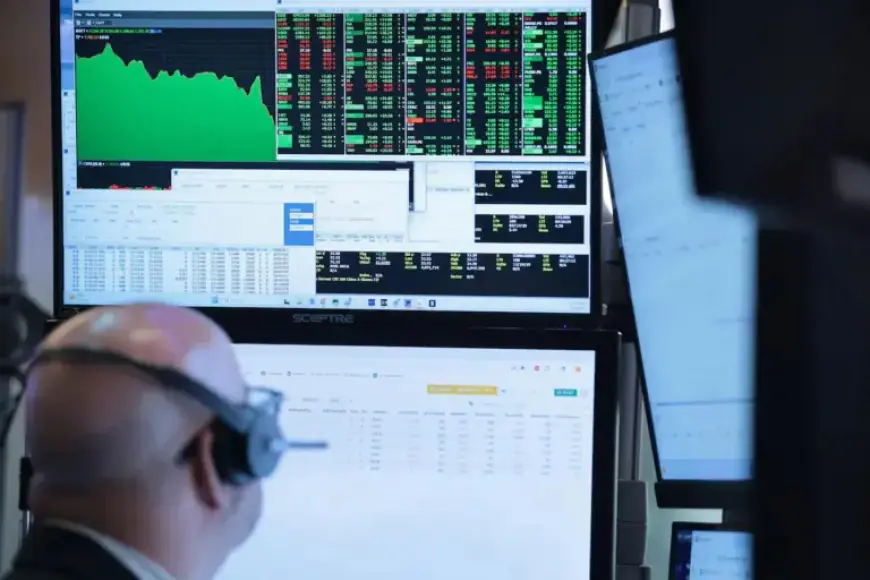
Gasoline costs rose and markets reacted sharply. An agreement to reopen the strait was reached late Tuesday, but its fate remains uncertain.
Supply chains beyond energy
About one-third of globally traded fertilizer moves through Hormuz. Within weeks of the closure, urea prices rose more than 28%.
That spike shifted the risk from higher input costs to lower planting decisions. Lower plantings can cut crop yields and lift food prices months later.
Historical lessons on missed downstream risks
Markets tend to price obvious shocks quickly. They often miss second- and third-order consequences.
Kodak invented the digital camera in 1975. The company did not embrace that innovation and later filed for bankruptcy in 2012.
Modeling future impacts
The OECD-FAO warns that a single year of synthetic fertilizer disruption could raise the global food price index by 6% by 2028. That increase would appear with a lag.
Behavioral finance calls this tendency myopic loss aversion. People focus on the immediate loss and ignore slower risks downstream.
How investors should respond
A useful mantra for investors is: Follow Market Trends, Not the Initial Shock. Ask what follows, then what follows next.
- Resist reacting only to the obvious shock. Track commodity, shipping and supply chain data in the weeks after an event.
- Stress-test portfolios against downstream scenarios. Energy exposure can translate into food and consumer pressures.
- Keep some cash or low-volatility holdings. Flexibility lets investors respond when cascading effects arrive.
Markets reward patience and curiosity more than constant reactivity. Walking upstream means asking one extra question.
Sam Sivarajan authored the original analysis. He is a speaker and independent consultant. He has written three books on investing and decision-making and publishes two Substacks: theuncertaintyedge.com and thegoodhumanpractice.com.