
























Brandon Moreno Eyes Third Title as 10,000-Simulation Picks and UFC Mexico Main Card Results Shape the Moment

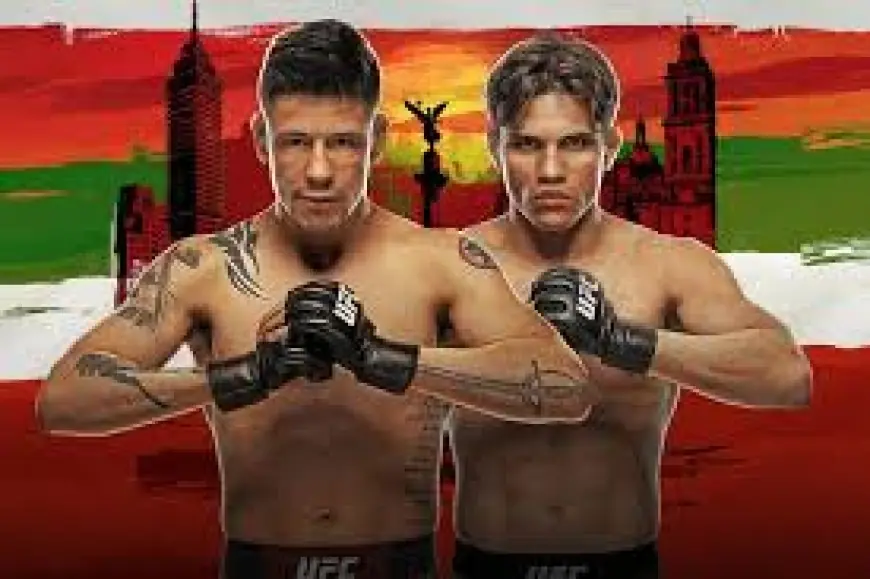
brandon moreno remains positioned at the center of Fight Night conversation after a flurry of model-driven projections and fresh main card results from UFC Mexico. The convergence of 10, 000 model simulations, published odds and post-card outcomes matters because it frames expectations for Moreno’s next steps and his long-term goal of becoming a three-time champion.
UFC Mexico Main Card Results
Main Card Results from UFC Mexico have been posted and are now part of the evolving competitive picture. Those outcomes provide concrete context for matchmaking and fan reaction, and they intersect with pre-fight forecasts that used extensive simulation work to predict likely winners and prop results. The sequence — simulations, posted odds and then the main card outcomes — creates a clear cause-and-effect chain that shaped post-event analysis and narrative momentum.
Moreno vs. Kavanagh Simulation Findings
A dedicated modeling effort ran 10, 000 model simulations to generate predictions, picks and projected prop outcomes for the Moreno vs. Kavanagh pairing. The volume of runs produced a statistical spread of scenarios, which produced consensus picks and highlighted key variables that could determine the fight’s trajectory. Because the simulations were so granular, they produced a range of probable outcomes rather than a single deterministic forecast.
UFC Fight Night Odds and Props from 10, 000 Model Simulations
The odds and prop lines reflected inputs from those 10, 000 simulations, translating probabilistic outputs into market-facing numbers and pick guidance. That translation is the critical mechanism: model outputs influenced the odds, and the odds in turn shaped public and professional expectations heading into the card. What makes this notable is the scale of the simulation work — 10, 000 iterations — which amplified the weight of model-informed picks in pre-fight discourse.
A Decade into Brandon Moreno's UFC Career
Now a decade into his UFC career, Brandon Moreno still believes he can be a three-time champ. That belief provides a throughline for his decisions and public posture: long-term ambition feeds short-term preparation and risk tolerance. The timeline — a full ten years in the organization — offers measurable context for assessing his durability and remaining upside, even as immediate matchups and card results define present momentum.
Coverage Disruption: 429 Too Many Requests
Coverage of these developments was briefly affected by a "429 Too Many Requests" error; the precise timing and origin of the interruption are unclear in the provided context. The interruption did not erase the core inputs — the 10, 000-simulation projections, the posted odds and the UFC Mexico main card results — but it did complicate real-time dissemination and reaction for some audiences.
The immediate effect of the combined elements is straightforward: simulation-driven odds created expectations, those expectations were tested against the UFC Mexico main card results, and Moreno’s own decade-long perspective and stated ambition frame the narrative going forward. For brandon moreno, the interplay between predictive modeling and tangible outcomes will determine how quickly he is cycled back into title contention conversations or rebooked for high-stakes matchups.
Analysts and fans now parse the simulation consensus alongside the actual fight film and official results to reconcile differences between probability and outcome. The broader implication is that large-scale modeling is becoming an integral part of fight-week storytelling — it sets hypotheses that the cage either confirms or refutes, and in this instance those hypotheses directly inform how observers interpret Moreno’s path toward a potential third championship run.
For stakeholders watching the lightweight and flyweight landscapes, the combined dataset — 10, 000 model runs, published odds and Main Card Results from UFC Mexico — will guide matchmaking discussions and short-term forecasting. How promoters and matchmakers respond remains unclear in the provided context, but the immediate measurable inputs are in place to influence next steps for fighters and the organization alike.