






















Why Novak's Serve Matters Most to His Tour Peers and Coaches

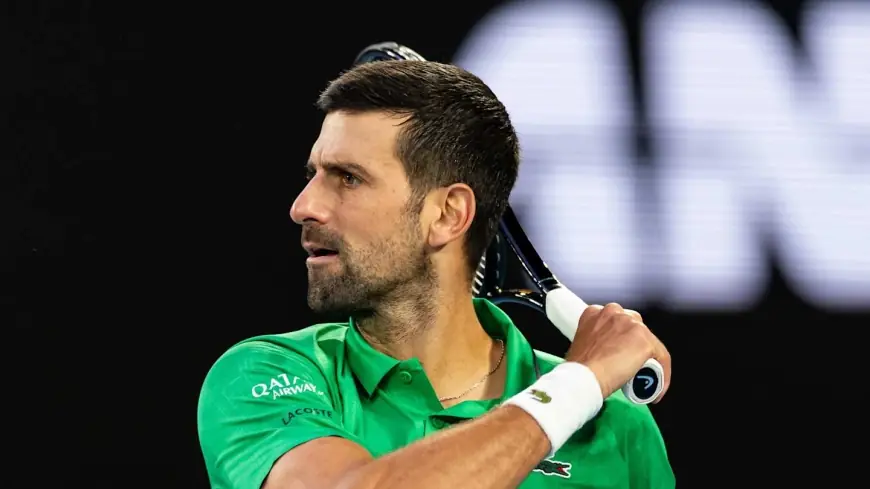
What matters for ATP players and those who prepare them is not just that novak is a 24-time Grand Slam winner, but that his serve—often written off as ordinary—commands respect inside the locker room. That view, voiced by tour peers and reiterated in a recent podcast conversation, reframes how opponents and coaches should prepare: the serve is an underrated edge that can tilt close matches.
What ATP players see in Novak's serve
Players on the tour distinguish a functional serve from a weapon that changes momentum; the consensus among peers is that Novak's serve falls into the latter category more often than public applause suggests. For opponents and coaches, this is about match management: a serve that is credited less publicly can still be decisive in tight moments, and opposing teams need to plan for it accordingly.
How the observation surfaced
Christopher Eubanks raised the point while appearing on Andy Roddick's podcast, Served. Eubanks, who never had a chance to face Djokovic in his own career, relayed that many current players on tour believe Djokovic's serve doesn't get the applause it should—in other words, they consider his serve underrated. That peer-level recognition is notable because it comes from players who regularly measure performance against the same field.
Numbers that support the claim
Career serving figures cited in the conversation supply context: Djokovic has landed 65% of his first serves and won 74% of the points when those first serves landed. Points won coming off his second serve fall to 55%. By comparison, Roger Federer landed 62% of his first serves and won 77% of those points. Rafael Nadal landed 68% of first serves—beating both Federer and Djokovic on first serves landed—but had a lesser percentage of first service points won at 72%. For all three, their numbers fall into the — unclear in the provided context.
What that means for opponents, coaches and match planning
Here's the part that matters: if tour peers privately rate Novak's serve as underrated, match strategies that underplay his serve risk leaving free points on the table. Coaches should treat the serve not merely as a baseline statistic but as a tactical lever that can be decisive in close sets. Players preparing to face him may need targeted practice returns and specific mental routines for games where serve advantage is subtle but persistent.
- Christopher Eubanks raised peer views about Novak's serve on the Served podcast.
- Eubanks never faced Djokovic in his playing career, yet relayed tour consensus.
- Djokovic career first-serve landed: 65%; first-serve points won: 74%; second-serve points won: 55%.
- Federer career first-serve landed: 62%; first-serve points won: 77%.
- Nadal career first-serve landed: 68%; first-serve points won: 72%.
- One quoted sentence in the available material ends mid-thought: unclear in the provided context.
It’s easy to overlook, but peer acknowledgment inside the tour can be a stronger signal of a weapon’s impact than outside applause. The real question now is whether opponents will shift preparation in measurable ways when they next meet him.
What's easy to miss is that mental toughness and occasional lapses in composure both appear in the same profile: Djokovic is described as one of the most mentally tough players in tennis, yet he sometimes has a knack for losing focus or composure in tight matches, producing a significant number of errors. That tension helps explain why the serve gets singled out—it's one of the components that can consistently deliver points even when other areas wobble.
Minor editorial aside: peer perspective matters here because players and coaches evaluate performance differently than commentators do; their assessments often emphasize match-level impact rather than highlight-reel flair.