





















Max Holloway: Coaches Don’t Approve of Late-Fight Trademark, Breaks Down 10-Second Point Down Ahead of UFC 326

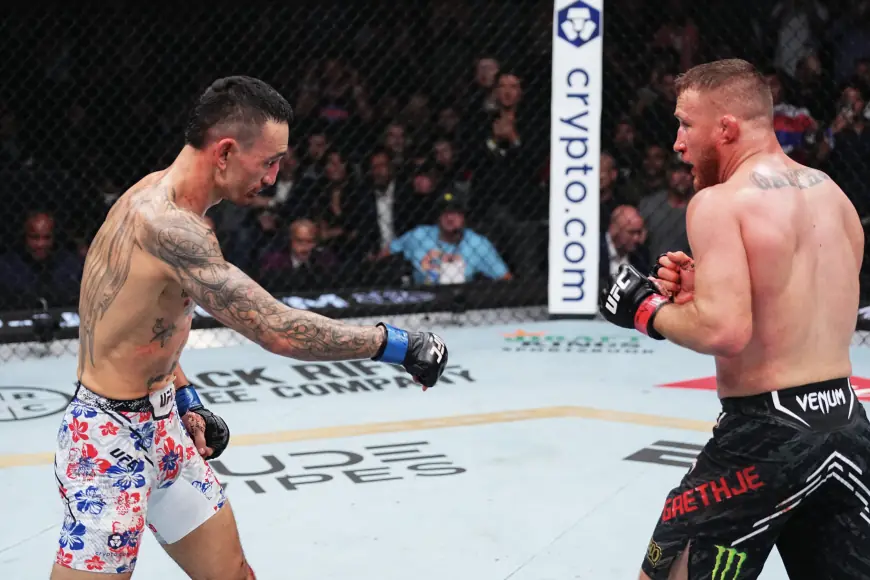
With max holloway scheduled to meet Charles Oliveira in the main event "BMF" title fight at UFC 326 just one week away, the featherweight’s signature 10-second point-down moment is back in the spotlight. Holloway has laid out an explicit ruleset for that finishing gesture, pushed back on early imitations, and acknowledged mixed reactions from coaches about the late-fight trademark.
Max Holloway explains the 10-second point down ruleset
Holloway clarified the mechanics and spirit of the 10-second point down, framing it as an end-of-fight gesture that depends on a mutual sense between competitors. He described the 10 seconds as meant for the final moments of a bout, when both fighters tacitly accept the moment, and emphasized that the fighter who is winning should be the one to extend the "blessing. "
He also criticized attempts to replicate the move outside of that context. Holloway said he observed footage of Charles Oliveira practicing the gesture and noted an interview in which Oliveira suggested he would perform it even in the opening seconds. Holloway pushed back on that approach, arguing the 10-second point down loses its meaning when used early. He warned performers not to undercut the moment with defensive reactions — do not step back, shoot, or clinch — and urged fighters to be smart and put the gesture out cleanly when it is appropriate.
Coaches don’t approve of late-fight trademark; Holloway recalls the origin
Recent headlines have captured two connected threads: coaches expressing disapproval of late-fight trademark gestures, and Holloway revisiting the origin of his 10-second point down. Those items reflect a conversation around etiquette, timing, and the cultural place of showmanship inside the cage.
Holloway’s last-second knockout finish over Justin Gaethje at UFC 300 has become the defining moment tied to that gesture, and it remains the benchmark other fighters attempt to emulate. He noted that while many have tried to copy the move, none have duplicated its impact because they are not following the ruleset he outlined. That sequence and its legacy inform why some coaches push back: a finishing gesture that depends on timing, mutual consent, and fight dynamics can appear risky or disrespectful when performed without those conditions.
Looking forward to UFC 326 in Las Vegas, Nevada, Holloway and Oliveira’s main event return carries the possibility of another memorable moment. Holloway suggested that the conditions for an authentic 10-second point down are specific and rare — meaning the gesture will only feel right when the fight itself has led to that conclusion. He also acknowledged Oliveira’s willingness to walk through adversity, which could create the space for something special if events unfold in a way that aligns with Holloway’s ruleset.
For fans and participants, the debate now centers on preservation versus parody: whether the 10-second point down should remain an earned, late-fight flourish or become an often-attempted trademark divorced from context. Holloway’s public breakdown of the ruleset and his recollection of the moment’s origin add clarity to that debate and set expectations for what a legitimate execution should look like should it occur at UFC 326.