





















Cardi B's gratitude on Little Miss Drama tour and why ticket-holders are the first to feel the impact

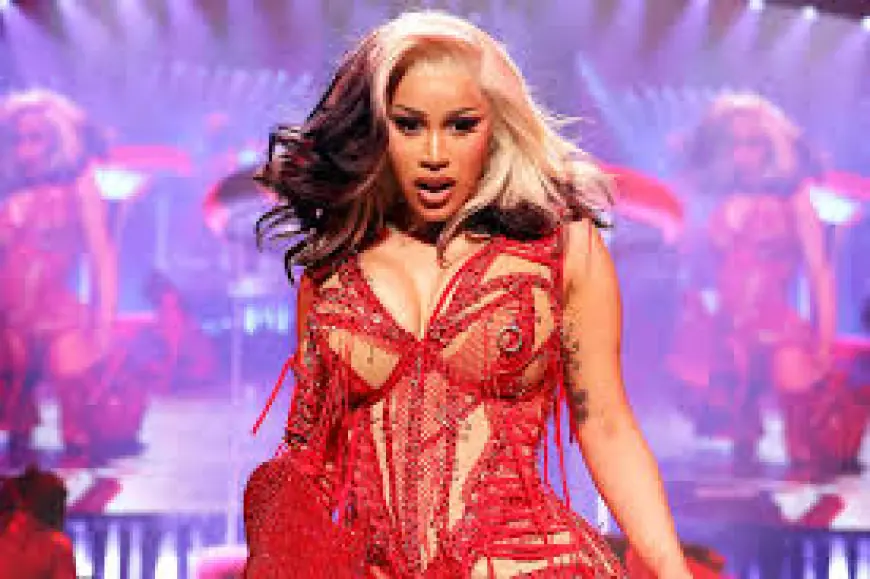
Cardi B's public thanks for turnouts on the Little Miss Drama tour matters because it reframes the conversation away from pre-tour doubts and toward the people who paid to be there. By emphasizing appreciation for fans who showed up — and promising a full-performance return on the ticket price — she shifts attention onto concertgoers and the financial trust they've placed in her live shows.
Cardi B's message lands with paying fans and shifts the narrative away from skeptics
Here's the part that matters: the artist has used social posts to express deep gratitude for those attending her shows, noting that the reaction from audiences—regular fans and visiting celebrities—has been meaningful to her. That gratitude is not just rhetorical; it's positioned as a response to earlier skepticism during ticket presales that questioned her ability to commit to the tour after giving birth and with a short rehearsal window.
By focusing on the value of a fan's dollar and promising to deliver energetic performances, she is directly addressing the group most affected: people who bought tickets and expect a marquee live experience. This turns routine promotional social media into damage control and reassurance aimed at restoring buyer confidence.
What was said and how the tour has unfolded so far
Public posts show that she kicked off the Little Miss Drama tour earlier in February and has repeatedly thanked attendees. While there was vocal skepticism during presale—comments questioned her readiness because she had recently given birth and reportedly had a limited rehearsal period—the tour's early shows have been characterized by sold-out performances and steady fan turnout.
- Tour kickoff: began earlier in February (timeline note is limited to that period).
- Fan engagement: multiple public expressions of gratitude for concert attendance.
- Presale skepticism: doubts centered on readiness after childbirth and short rehearsal time.
She has framed her approach around honoring the money fans spend, saying that if people choose to see her, she will deliver full energy and value. That stance reframes routine post-tour commentary into a promise that directly speaks to ticket-buyers' expectations.
What’s easy to miss is how this line of response functions as both appreciation and reassurance: thanking fans validates their loyalty while addressing doubters without repeating the criticism. The real test will be whether continued sellouts and visible audience enthusiasm sustain that shift in public perception.
Who feels the changes first? Concertgoers, obviously—those who bought tickets are now receiving public acknowledgment that their support mattered and that the performer intends to honor that exchange. Secondary groups include casual listeners who may have been waiting to see whether the tour would meet expectations, and critics whose narratives about preparedness are being countered by strong ticket sales and on-stage commitment.
The broader implication is simple: when an artist publicly ties gratitude to a promise of value for money, it reframes commercial concert attendance as a relationship rather than a one-time transaction. If the tour continues selling out and fans keep reporting high-energy shows, this message will likely deepen goodwill among paying attendees and mute early skepticism.
Mini timeline (context-limited): kicked off earlier in February; social posts thanking fans followed; presale skepticism addressed publicly. Future signals that would reinforce this trend include sustained sellouts and repeated public appreciation tied to strong audience response.
The real question now is whether the momentum she describes on social channels will hold across the full tour run. For now, the narrative appears to be moving from doubt to validation, with paying fans squarely at the center of that shift.