

























Neil Sedaka Songs: Micky Dolenz Tribute and a Career Built on Hitmaking

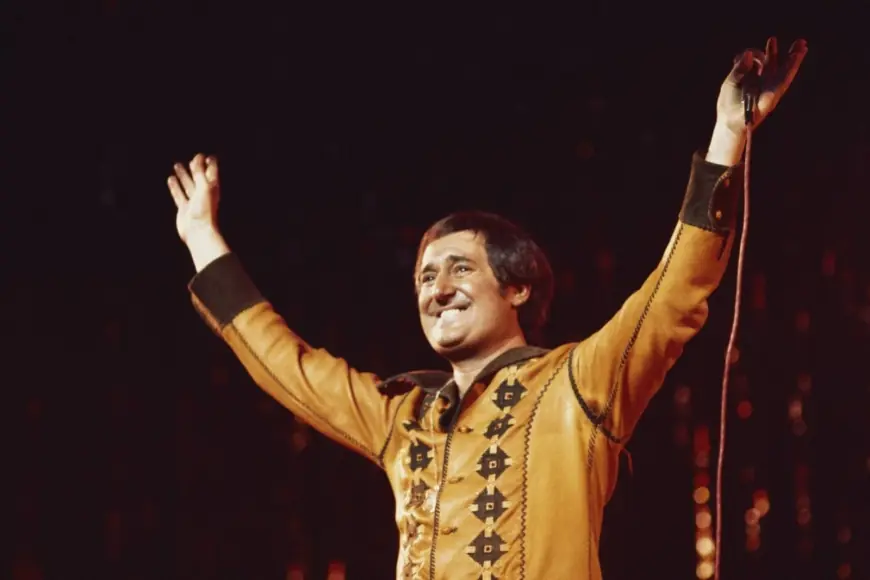
The music world is mourning after the death of a prolific songwriter and performer; neil sedaka songs are now being revisited in tributes and charts retrospectives following the announcement that he died on Friday at the age of 86. Micky Dolenz has publicly honored the artist’s work and lifelong craft, underscoring Sedaka’s reach across generations of pop music.
Micky Dolenz’s tribute and connections to the Monkees
Micky Dolenz, identified as the last surviving member of the Monkees, paid tribute after news of Sedaka’s passing. Dolenz described Sedaka as "one of those rare songwriters who could do it all" and emphasized the songwriter’s ties to the band’s orbit. He noted that Monkees fans would recognize Sedaka’s contributions, citing that Sedaka co-wrote "When Love Comes Knocking at Your Door" with Carole Bayer Sager and that Sedaka wrote "Rainy Jane" for Davy Jones’ solo record. Dolenz also recalled Sedaka traveling from the East Coast to Los Angeles to honor Davy Jones at his memorial with a performance of "Love Comes Knocking at Your Door, " and closed his tribute by sending his thoughts to Sedaka’s family, friends, and everyone who loved his music.
Neil Sedaka Songs: Career highlights and signature hits
Neil Sedaka’s catalog includes both early chart toppers and a major comeback a decade later. His first Top 10 hit arrived in 1959 with "Oh! Carol, " and his early Sixties output also featured songs identified with that period, including "Stairway to Heaven" (not the later song of the same name), "Calendar Girl, " "Little Devil, " and "Happy Birthday Sweet Sixteen. " The 1962 single "Breaking Up Is Hard to Do" rose to Number One, while "Next Door to an Angel" reached Number Five.
1960s chart run and the songs that defined a generation
Throughout the early Sixties, neil sedaka songs were staples of the pop charts, with multiple Top 10 entries and a Number One single. That run established him as a dependable hitmaker whose melodies and hooks resonated across the decade.
1970s comeback: label support, compilation release and renewed chart success
Sedaka experienced renewed commercial success in the Seventies. A noted figure in the music world signed him to his label in the Seventies, and in 1974 the Rocket Record Company issued a compilation titled Sedaka’s Back, drawing on songs from Sedaka’s U. K. era. That compilation garnered a gold certification in the U. S. The following year marked Sedaka’s largest returns on the singles chart: he topped the Billboard Hot 100 twice as a solo artist with "Laughter in the Rain" and "Bad Blood. " A new ballad arrangement of "Breaking Up Is Hard to Do" also performed strongly, peaking at Number Eight.
Songwriting philosophy and late-career approach
In a 2006 interview, Sedaka outlined how inspiration informed his work: people, places, emotions, family, movies and plays were among the influences he cited. He discussed how listening to different singers shaped certain songs, noting that "Love Will Keep Us Together" drew on varied singing styles. Sedaka also said that in the two decades prior to that interview he had been writing his own lyrics and preferred that practice, emphasizing that nobody put words in his mouth and that his material came from his soul.
What remains: legacy and reactions
The immediate reaction from peers and collaborators highlights two threads of Sedaka’s legacy: a composer who wrote enduring pop singles and a collaborator whose work intersected with major acts of his era. Micky Dolenz’s tribute underscores Sedaka’s cross-generational reach—both in the Monkees’ catalog and in the wider pop canon—while the catalog of neil sedaka songs from 1959 through the mid-Seventies outlines a career that combined early chart dominance with a notable revival later on.
Details about services, survivors and additional tributes are unclear in the provided context and may emerge as more information becomes available.