
























Sky News: 49-year-old skydiver dies at Dunkeswell — family, crews and local community feel the impact

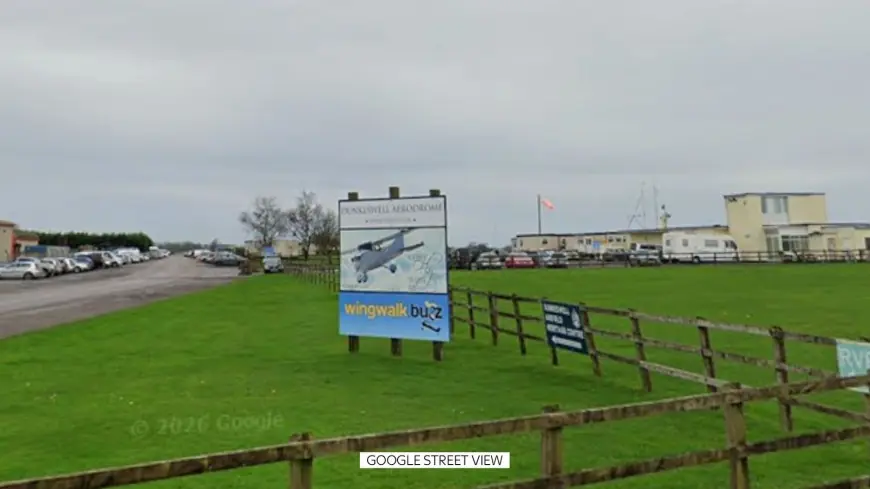
The immediate burden falls first on the deceased man's family, emergency crews on site and a local adventure-sports community already shaken by a previous fatal jump. sky news notes that police and ambulance teams were called to Dunkeswell Aerodrome, near Honiton, at about 13: 00 GMT on Saturday 28 February, where a 49-year-old man was confirmed dead and inquiries are ongoing.
Who is affected and how the local scene is responding
Officers remain at the aerodrome while enquiries continue; the man's family have been informed and emergency services dealt with the scene. The loss is being felt among staff, visitors and operators who run multiple aviation activities at the site, and among nearby communities that use the Blackdown Hills area for recreation. Here's the part that matters: a repeat fatality at the same airfield within a year raises immediate distress for those who work there and for residents living close by.
Sky News: what unfolded at Dunkeswell Aerodrome
Police were called to Dunkeswell Aerodrome just before 1pm on Saturday 28 February following concerns for the welfare of a male skydiver. Emergency services attended and a 49-year-old man was confirmed deceased. Officers are guarding the scene while inquiries into the incident remain ongoing.
Earlier tragedy at the same airfield — names, dates and details
Less than a year earlier, a tandem jump close to Dunkeswell resulted in two deaths. Skydiving instructor Adam Harrison, 30, and Belinda Taylor, 48, who was strapped to him, died when their parachute failed to open at Dunkeswell on 13 June 2025. Harrison was from Bournemouth, Dorset, and Taylor was from Totnes, Devon; Taylor was a mother-of-four. The pair suffered multiple injuries after a skydive from 15, 000ft (4. 6km). The skydiving company that organised that tandem jump later went into administration.
Dunkeswell Aerodrome: location, history and activities
Dunkeswell Aerodrome sits in the Blackdown Hills area of Devon, close to the county's border with Somerset. The site is a former RAF location and was originally built to be a US naval base during World War Two. It is also claimed to be the highest licensed airfield in the UK at 839ft (256m) above sea level. Alongside skydiving, the aerodrome hosts a range of aviation activities including Spitfire flight tours, wing-walking, flight training for aircraft and helicopter training.
- Police call: just before 1pm (about 13: 00 GMT) on Saturday 28 February.
- Victim: a 49-year-old man was confirmed dead; family informed; officers remain on scene and enquiries are ongoing.
- Previous deaths: Adam Harrison, 30, and Belinda Taylor, 48, died on 13 June 2025 when a parachute failed to open; the tandem organiser later went into administration.
- Aerodrome facts: former RAF site in the Blackdown Hills; originally intended as a US naval base during World War Two; elevation 839ft (256m); hosts multiple aerial attractions.
Key takeaways: emergency services were called to Dunkeswell Aerodrome near Honiton at about 13: 00 GMT on Saturday 28 February; a 49-year-old man was confirmed dead; his family have been informed and police enquiries are ongoing. For those tracking developments on sky news, the proximity of this incident to the June 13, 2025 tandem fatality is a significant local concern.
It’s easy to overlook, but the airfield’s mix of commercial attractions and historical identity helps explain why multiple groups—staff, visiting customers and local residents—are all directly affected by any serious incident there.
Micro-timeline: 13 June 2025 — tandem jump at or near Dunkeswell in which Adam Harrison, 30, and Belinda Taylor, 48, died after a parachute failure; Saturday 28 February — police and ambulances called to Dunkeswell Aerodrome at about 13: 00 GMT and a 49-year-old man confirmed dead; officers remain on scene and inquiries continue.
Writer’s aside: the repetition of fatal incidents at one location tends to concentrate attention on both immediate investigative outcomes and on operational changes; those conclusions will depend on the findings of ongoing enquiries, which remain unclear in the provided context.