

























Strait Of Hormuz Disruption: Who Feels the Shock First as Shipping, Insurers and Oil Markets React

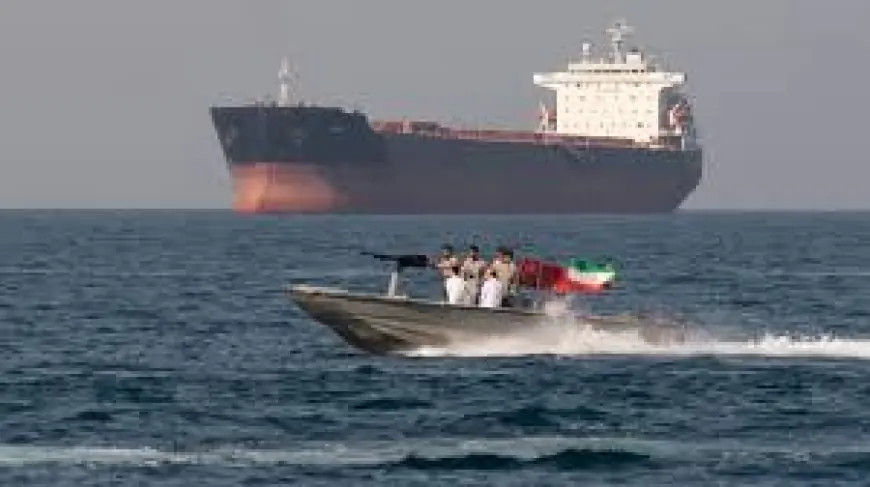
The immediate impact lands hardest on commercial shipping operators, marine insurers and energy traders tied to the Strait Of Hormuz — a choke point whose stability now shapes premiums and cargo choices. Insurers are canceling policies and pushing rates higher; maritime officials say passage through the waterway may be declared "not allowed" by Iranian revolutionary guards; and analysts are weighing how an attack linked to Iran could ripple into oil markets and the broader economy.
Who is affected first and how the strain shows up
Shipping companies face direct operational choices: sail through riskier waters and pay much more for cover, detour around longer routes with higher fuel and time costs, or delay voyages. Insurers, reacting to elevated threats, are canceling existing policies for Gulf transits and increasing premiums on new cover — a double hit that compresses margins for carriers and charterers. Energy markets register these moves quickly as higher insurance costs and route uncertainty feed into risk premiums for crude and refined products.
Event details embedded: what officials and market actions have signaled
An official linked to an EU naval mission has said that Iran’s revolutionary guards told ships that passage through the Strait Of Hormuz is "not allowed. " At the same time, insurers have begun canceling policies and raising prices for ships operating in the Gulf and the Strait Of Hormuz. Separately, coverage around an attack tied to Iran has entered market discussions as a potential driver for broader oil and economic effects, prompting trading desks and risk managers to reassess exposures.
Operational responses and immediate commercial consequences
- Insurance adjustment: cancellations and higher premiums for Gulf transits are forcing short-term changes to voyage economics.
- Route decisions: carriers must weigh the direct risk through the waterway against longer, costlier detours that add fuel and time expenses.
- Market pricing: traders are factoring in premium widening and route disruption when setting crude and freight differentials.
Here’s the part that matters: when underwriting withdraws or sharply reprices cover, ordinary commercial calculus becomes unstable — contract commitments, charterparty terms and hedging positions all get harder to manage.
Signals that will confirm whether disruption is temporary or structural
Short-term confirmation of a broader, sustained shock would include continued policy cancellations beyond an initial wave, formal interdiction notices that remain in effect, or escalating restrictions that materially lengthen typical voyage times. Reversal or normalization would show up as reinstated insurance capacity at lower rates and clear guidance on safe passage resuming.
- Insurers widening cancellations and hikes — immediate indicator of persistence.
- Official maritime directives remaining in force — indicates operational blockade risk.
- Oil-market risk premiums staying elevated — signals economic transmission beyond maritime costs.
Key takeaways:
- Marine insurers are already withdrawing or re-pricing cover for the Gulf and Strait Of Hormuz trades.
- Direct orders that passage is "not allowed" create an acute operational pivot for shippers.
- Oil and freight pricing will bake in higher risk premiums if disruptions persist.
- Companies with tight schedules or narrow margins are likely to feel pressure first through higher costs or delayed cargoes.
Micro timeline: unclear in the provided context when statements and cancellations began relative to one another; the sequence is noted but precise dates are unclear in the provided context.
It’s easy to overlook, but title-level briefs circulated under names such as "Client Challenge" are already being used by market teams to reframe exposure and prioritize immediate mitigation steps. The real question now is how long insurers maintain tight capacity and whether shipping lines accept the higher costs or redirect traffic permanently.
Writer's aside: these shocks often reveal fragile seams in global logistics quickly — underwriting decisions can convert political friction into measurable economic pain almost overnight, and markets watch those moves more closely than the rhetoric itself.