

























Neil Sedaka Songs: A Career Spanning Top 10 Breakthroughs and a Seventies Comeback

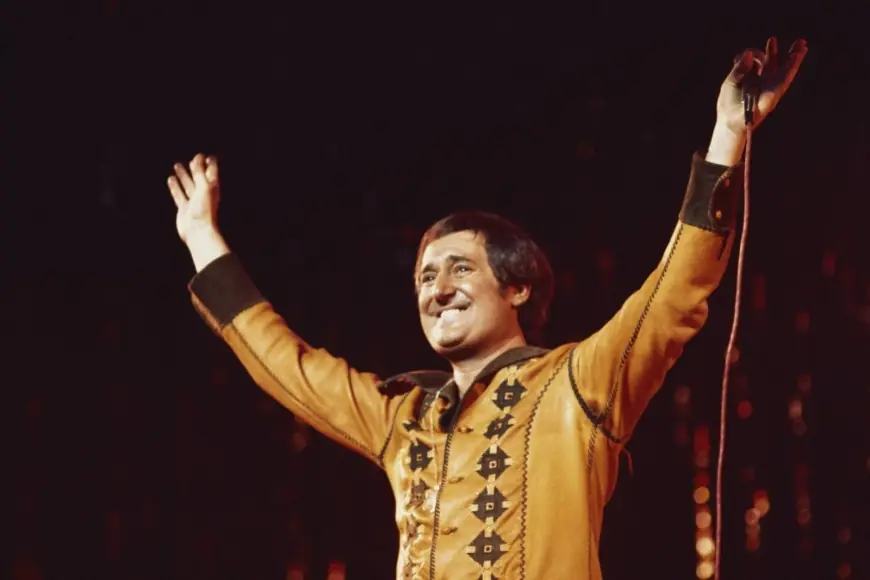
Neil Sedaka, the singer-songwriter behind dozens of pop hits, died on Friday at the age of 86. Coverage of his death has renewed attention to neil sedaka songs that first broke into the charts in the late 1950s and then returned to the top in the Seventies.
Micky Dolenz’s tribute and ties to the Monkees
Micky Dolenz, the last surviving member of the Monkees, paid tribute after news of Sedaka’s death, calling him “one of those rare songwriters who could do it all. ” Dolenz highlighted Sedaka’s direct connections to the Monkees, writing that “Monkees fans will know his work, too – he co-wrote ‘When Love Comes Knocking at Your Door’ with Carole Bayer Sager, along with a few other songs that found their way into our world. ”
Dolenz also noted Sedaka’s contribution to Davy Jones’ solo work, saying he wrote “Rainy Jane” for Davy Jones’ solo record. Dolenz recalled that Sedaka once traveled “all the way from the East Coast to pay tribute to Davy at his LA-based memorial with a performance of ‘Love Comes Knocking at Your Door, '” and closed his message by “sending my thoughts to his family, friends, and everyone who loved his music. ”
Early success: 1959’s “Oh! Carol” and the early Sixties hits
Sedaka gained his first Top 10 hit in 1959 with “Oh! Carol. ” He followed that breakthrough with a run of early Sixties songs including “Stairway to Heaven” (not that one), “Calendar Girl, ” “Little Devil, ” and “Happy Birthday Sweet Sixteen. ” In 1962, “Breaking Up Is Hard to Do” rose to Number One on the chart, and “Next Door to an Angel” peaked at Number Five.
Neil Sedaka Songs that bridged two eras
Sedaka’s catalogue included early singles like “Breaking Up” and “Oh! Carol” and later chart-toppers that marked a second wave of success a decade after his initial run. That return saw him top the Billboard Hot 100 twice as a solo artist, first with “Laughter in the Rain” and then with “Bad Blood, ” while his new ballad version of “Breaking Up Is Hard to Do” peaked at Number Eight. Those later hits underscore how neil sedaka songs found new audiences across different decades.
Seventies revival: Elton John, Rocket Record Company and Sedaka’s Back
In the Seventies, Elton John signed Sedaka to his label. In 1974, Rocket Record Company released many of Sedaka’s songs from his U. K. era as the compilation album Sedaka’s Back, which garnered a gold certification in the U. S. The following year, Sedaka’s return reached its commercial peak: he topped the Hot 100 with “Laughter in the Rain” and again with “Bad Blood, ” and his reinvention of “Breaking Up Is Hard to Do” reached Number Eight on the chart.
Sedaka on songwriting and musical inspiration
When speaking with Ocala Star Banner in 2006, Sedaka described how inspiration arrived from many directions: “People, places, emotions, family, movies, plays — many, many different inspirations, ” he said. He added that “many of the songs are inspired by listening to singers, ” and noted that “‘Love Will Keep Us Together’ was inspired by different singing styles. ” Reflecting on his later work, Sedaka said that “in the last 20 years, I’ve been writing my own lyrics, which is what I prefer. Nobody puts words in my mouth, it just comes from my soul. ”
As tributes and reminiscences continue, Sedaka’s catalogue — from early chart breakthroughs to his Seventies comeback — remains the central measure of a long career in pop songwriting.