

























U.S. Air Base in Saudi Arabia Under Attack as Bahrain Appears in Wider Mideast Tensions

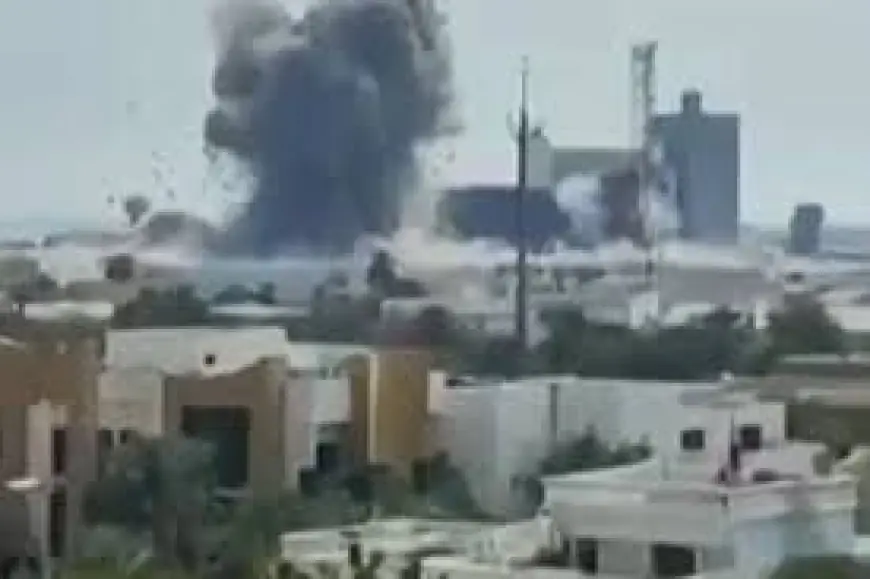
A U. S. air base in Saudi Arabia is under attack amid retaliatory action that followed air strikes on Iran, and the escalation has drawn attention across the Mideast including mentions of bahrain in regional coverage. The U. S. military has intercepted multiple Iranian missiles as part of the unfolding response.
Saudi Arabia air base: Attack follows air strikes on Iran
chief national security correspondent Jennifer Griffin reports that the U. S. air base in Saudi Arabia is under attack amid retaliation after air strikes on Iran. The sequence presented is clear: air strikes on Iran were followed by retaliatory operations that included an attack on a U. S. air base in Saudi Arabia.
The cause-and-effect is explicit in available accounts: air strikes on Iran produced retaliatory strikes across the region, and those actions have put U. S. facilities in the region at risk. The timing matters because the strikes and counterstrikes have unfolded rapidly, prompting immediate defensive measures.
U. S. Military intercepts multiple Iranian missiles
In conjunction with the attack on the Saudi base, the U. S. military intercepted multiple Iranian missiles. The interception is an active defensive step taken in response to missile launches and is a measurable action by U. S. forces during this phase of confrontation.
That the U. S. military engaged and intercepted multiple incoming missiles underscores the scale of the threat and the direct nature of the exchanges. The interception of missiles represents an explicit military response designed to prevent damage to personnel and facilities.
Iran Hits Back Across the Mideast: targeting U. S. bases and allies
Broader reporting frames Iran as having hit back across the Mideast, targeting U. S. bases and allies. This description places the Saudi attack within a wider regional pattern of retaliatory actions rather than as an isolated incident. The broader implication is that multiple locations and allied facilities could be affected as tensions ripple through the region.
Bahrain and the regional context
The name bahrain appears in regional coverage of the unfolding events. Details about Bahrain’s specific role, involvement, or any on-the-ground impacts are unclear in the provided context. That lack of clarity limits what can be confirmed about Bahrain beyond its mention in wider Mideast reporting.
Broadcast details, copyright notice and viewer guidance
The broadcast invited viewers to log in to comment on videos and join in on the fun, and it encouraged audiences to watch the live stream and full episodes. It also included a prompt to reduce eye strain and focus on the content that matters.
The transmission contained a 2026 Network, LLC copyright statement, declaring the material may not be published, broadcast, rewritten, or redistributed. The broadcast further noted that all market data displayed were delayed 20 minutes.
What makes this notable is the convergence of kinetic retaliation, active missile interceptions, and immediate public dissemination through live broadcasts, all occurring in a compressed timeframe. The combination of active defensive measures by the U. S. military and public reporting highlights the rapid, high-stakes nature of the confrontation.
At present, the confirmed elements are: air strikes on Iran preceded retaliatory actions; a U. S. air base in Saudi Arabia is under attack; the U. S. military intercepted multiple Iranian missiles; Jennifer Griffin reported the attack; and the broadcast carried specific viewer prompts, a 2026 copyright notice, and a market-data delay disclaimer. Other operational details, casualty figures, or the precise role of regional states beyond mentions in coverage remain unclear in the provided context.